My Manifesto & Research.

For this project, I aim to create my manifesto with an A1 ‘poster’ to support my ideas. When starting to research manifestos within fashion, my thoughts and beliefs I came across some strong valid research that alined. I hope to create a meaningful yet powerful final piece with a strong bank of research to support it.

What is a manifesto?

“ A public declaration of policy and aims, especially one issued before an election by a political party or candidate.”

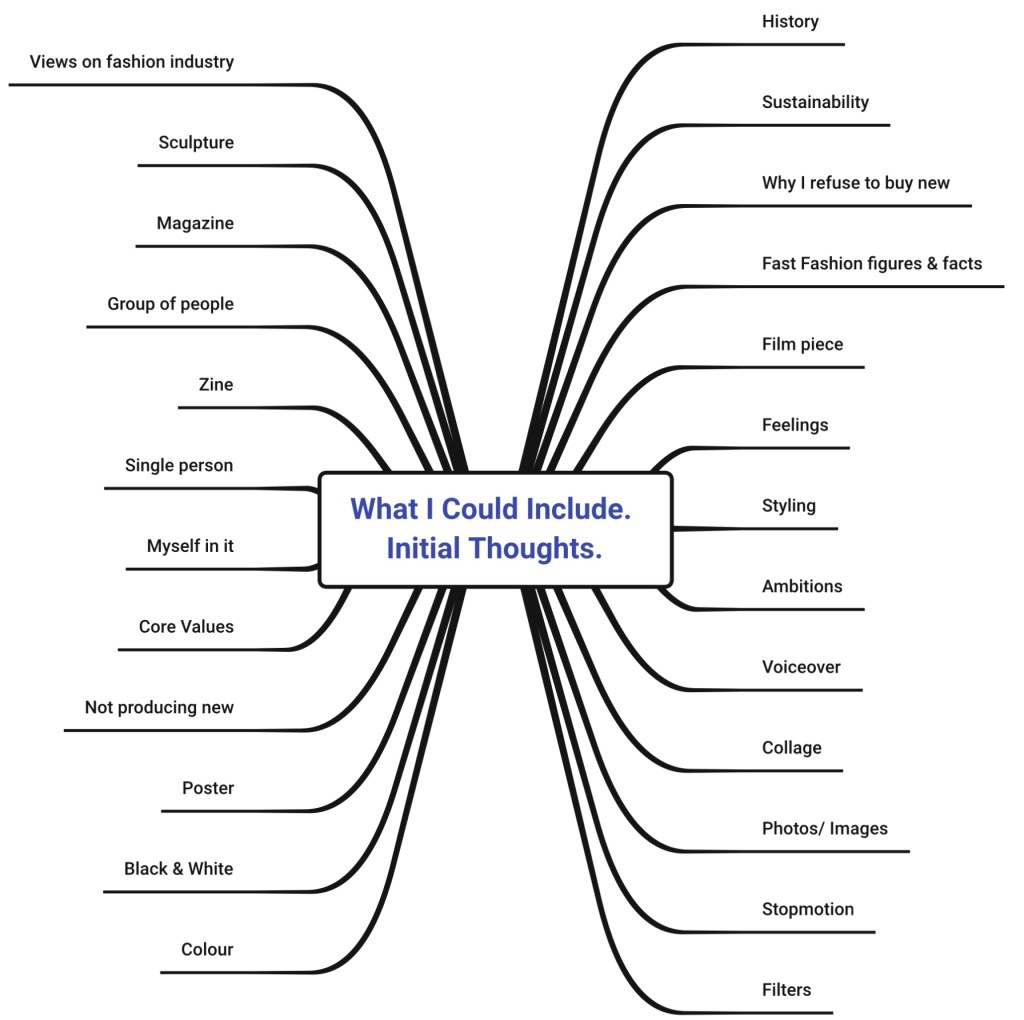
Initial mind map
My core values

  • Independance
  • Tolerance
  • Responsibility
  • Honesty
  • Originality
  • Knowledge
  • Vision
  • Trust
  • Self-respect

Who inspires me?

Stylists

  • Isabella Blow
  • Katy England
  • Betsy Johnson
  • Jess Grimshaw
  • Lucinda Chambers
  • Robbie Spencer
  • Millie Foster Price
  • Kate Young
  • Lotta Volkova
  • Mimi Del rey

Designers

  • Rick Owens
  • Ann Demeulemeester
  • Martin Margiela
  • Alexander McQueen
  • Shaun Leane
  • Sacai
  • Dilara Findikoglu
  • Ding Yun Zhang
  • Frederic Molenac
  • Harris Reed
  • Fecal Matter
  • Paula Mihovilovic Einfalt
  • Helmut Lang
  • A.F.Vandervorst
  • Comme Des Garçons
  • Junya Watanabe
  • Yohji Yamamoto
  • Gosha Rubchinskiy
  • Maison Mihara Yasuhiro
  • Hiroko Koshino

Photographers

  • Nick Knight
  • Helmut Newton
  • Mario Testino
  • Richard Avedon
  • Peter Lindbergh
  • Steven Meisel
  • Bruce Weber
  • Tim Walker
  • Patrik Demarchelier

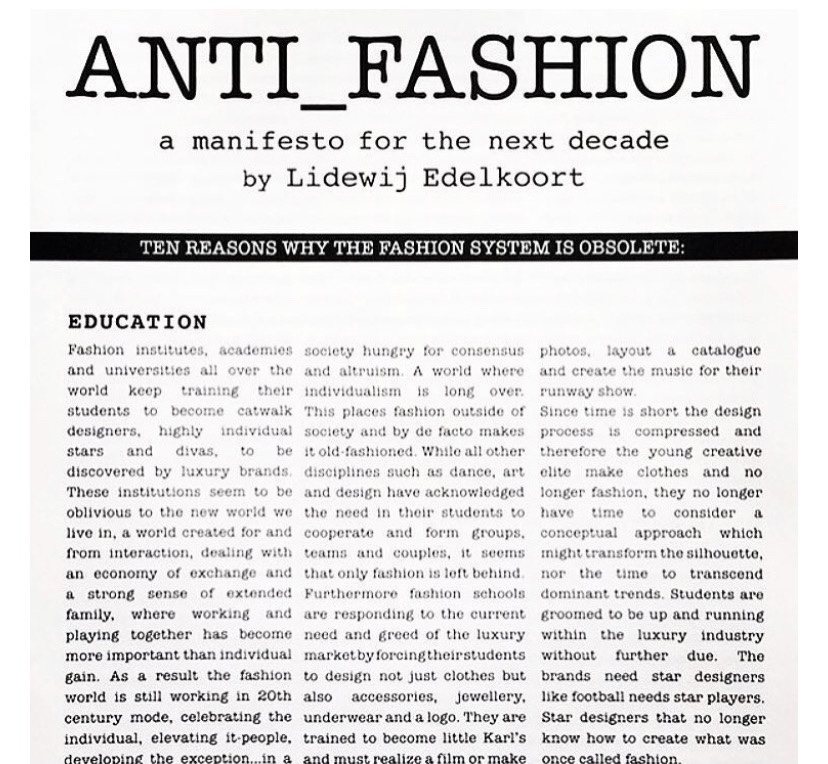
Anti-Fashion Manifesto by Li Edelkoort

The fashion worlds most respected trend forecaster Li Edelkoort released her manifesto back in 2015. It was a sigh of relief for many among the fashion industry as their concerns and thoughts had finally been spoken about. Her prescient ideas although talked about 6 years ago have only become more relevant in today’s world as the world tries to recover from the pandemic. The 10 main issues Edelkoort focuses around are marketing, advertising, education, materials, manufacturing, retailing, designers, fashion shows, the press and consumers alike. Whilst bravely confronting the well-known issues that have been going on for quite some time now it is fascinating how relevant they are today, when will the industry make a drastic change? I believe it is moving in the right way, but it is still far from perfect.

Anti Fashion- ‘An umbrella term for various styles of dress which are explicitly contrary to the fashion of the day.’
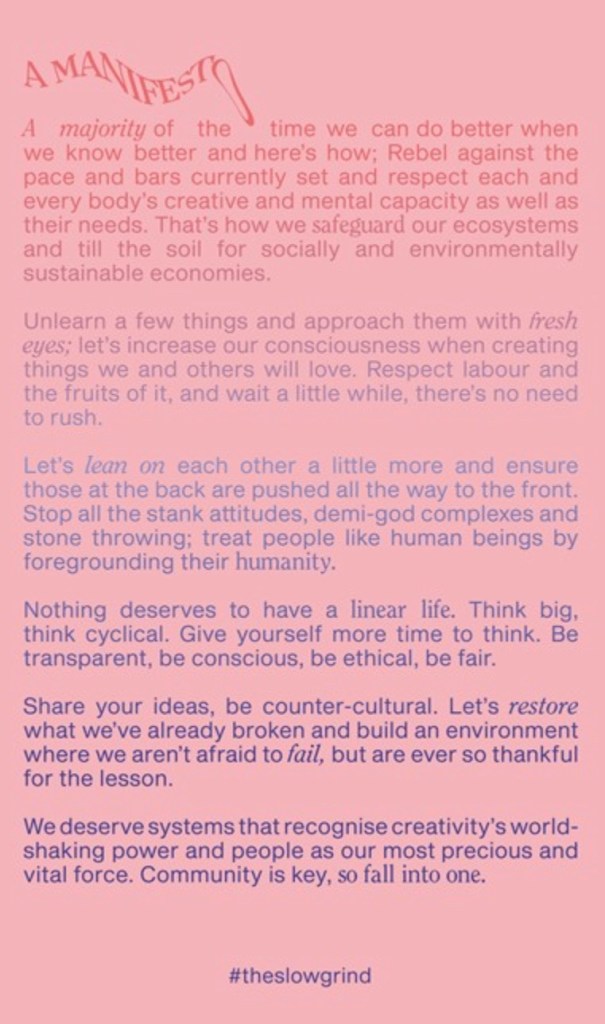
Slow Fashion to Save Minds by Georgina Johnson

In 2018 Georgina Johnson wrote a manifesto with mental health activist Sara Radin. Slow Fashion to Save Minds was created in response to the two of them experiencing anxiety, depression and burn-out, as a result of some of the well-known issues within the industry such as working conditions and discrimination. It was created as an outlook on the whole industry the issues within and how they truly felt at the time, the utopia they sought. mental health and race played an important part in their manifesto and that went along well with the theme of sustainability. The response was enormous, it resonated with so many creatives from not only the fashion industry. The manifesto lead to her bringing out a novel titled The Slow Grind which acts as a guide for the uncertain times we face and how important it is to slow down. This manifesto resonated with me as it reflected how tough the industry can be and the need for change.
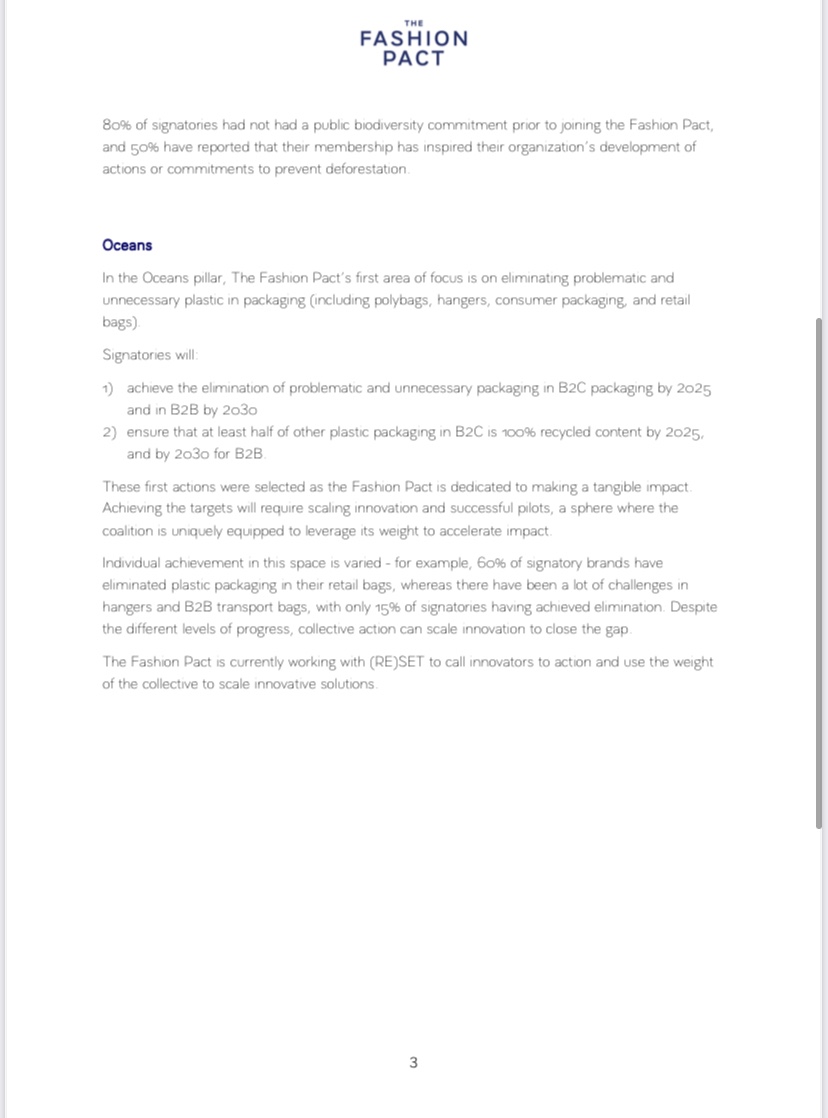
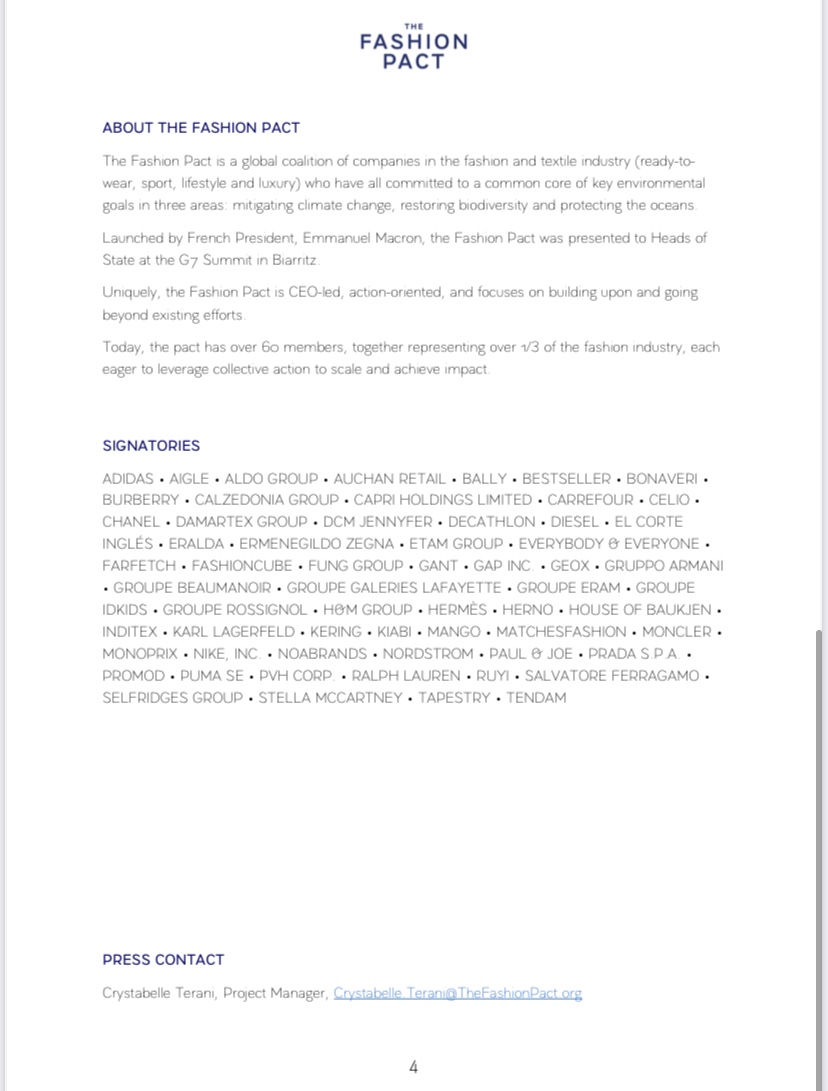
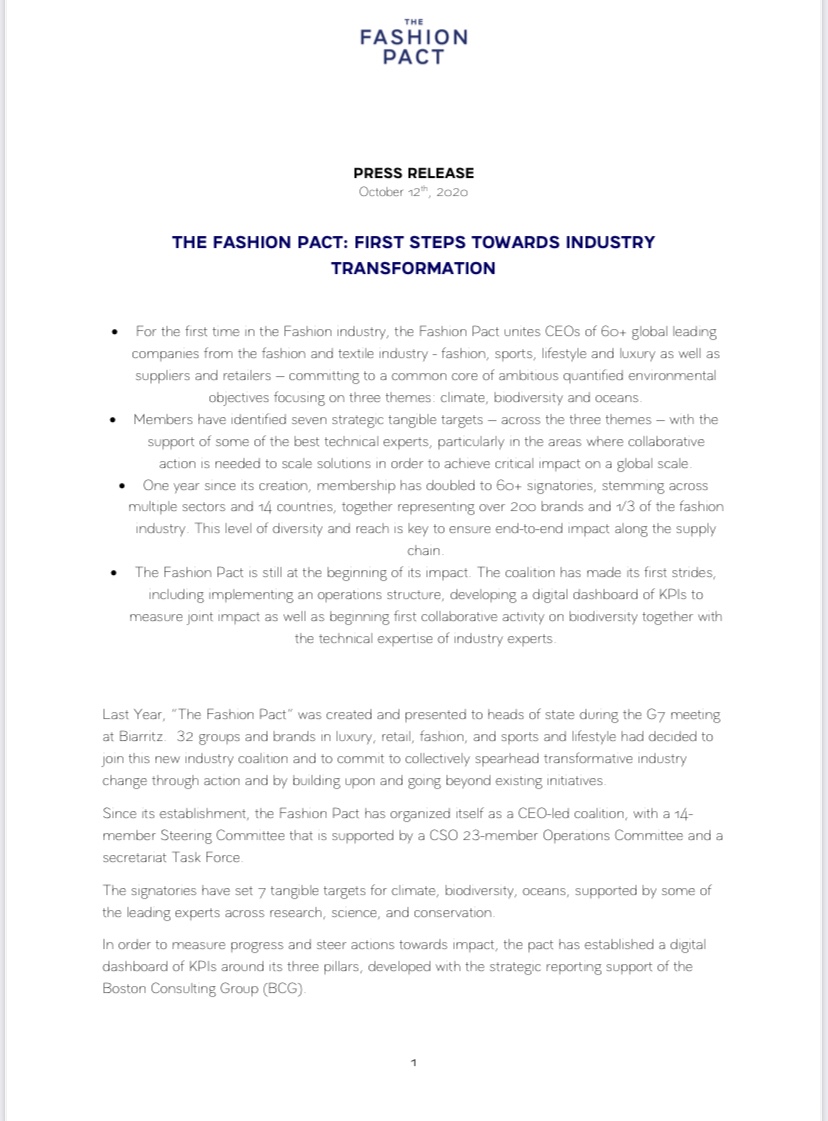
The Fashion Pact

The Fashion Pact was launched in 2019 at the G7 Summit meeting by French President Emmanuel Macron and françois-Henri Pinault Chairman and CEO of Kerring. It was created as there was a lack of collaboration between the big brands in the industry. It is a mission to create a coalition of companies in the fashion and textile industry that are all committed to environmental adjustments in 3 key areas: stopping global warming, restoring biodiversity and protecting the oceans. This Pact was an example of the fashion industry trying to make an effort to become more sustainable and this is great. Fashion is a big problem from an environmental point of view especially Fast Fashion, by creating this Pact they have a range of brands prepared to make a change and fight for a more sustainable future going forward.
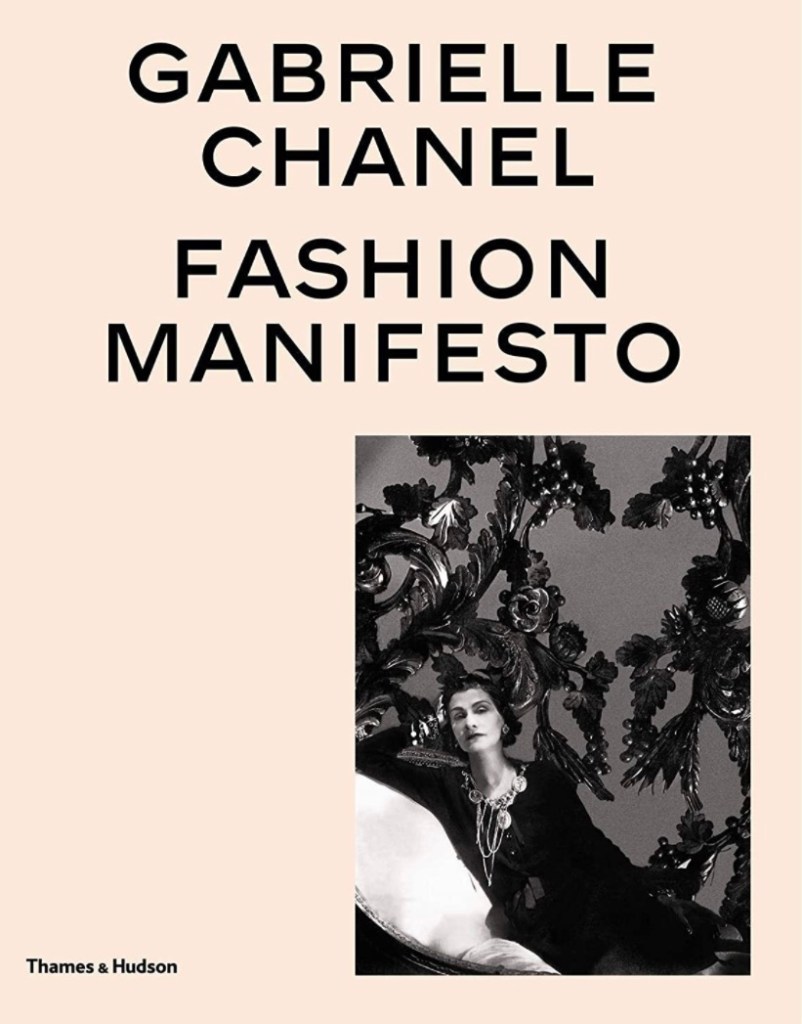
Gabrielle Chanel Fashion Manifesto

Gabrielle Chanel created her fashion manifesto focusing on Chanel’s design codes. The manifesto takes you through her life and the key moments in Chanel history. When Chanel started designing, the fashion world was dominated by Paul Poiret. Chanel opened her first shop in 1910 on Paris’s Rue Cambon, going from strength to strength to create fashions most famous house. Chanel rewrote the rules. I found her manifesto fascinating, you can truly see the meanings behind all of her references and how important her upbringing was to help create the iconic brand.
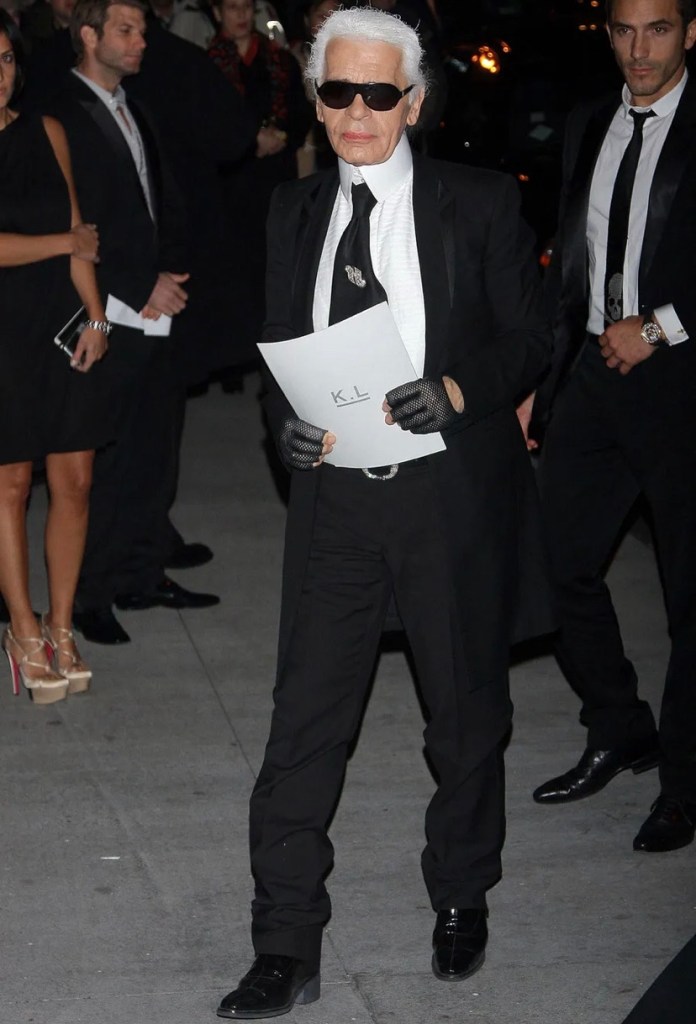
Karl Lagerfeld’s Fashion Manifesto

In 2008 Karl Lagerfeld gave a speech at Fashion Group International’s Night of Stars. His speech came as a dissection of the fashion industry from the point of view of Karl. One of the topics he focused on was how fashion is not just fashion, it is so much more than just clothes. It is everywhere. Touching also on how history is still so relevant today and its connections with fashions future. His speech was inspiring but above all true depicting the struggle those many faces within the industry, how it all comes around time after time.
After looking at a range of different fashion manifestos, it has given me a clear understanding of what I would like to include within my fashion manifesto. I want to have a sustainability focus, how clothes have an existence. To question existing practices whilst balancing what one does. Sustainability has been at the core of what I create and think since developing my love for fashion. For that to be portrayed I will have to create a powerful piece with a defiant message.

My manifesto

The Covid-19 Pandemic has had multiple effects on the world. For the fashion industry, it has exacerbated existing pressures and driven almost Darwinian change in an industry that was already struggling. Over the two years, almost all the established businesses have been hit hard, from the major fashion houses to the mass market retailers. December 2020 started with news of several of these retailers including the Arcadia fashion group going bust, despite it being the traditional season of consumption. The fashion industry has existed for hundreds of years, ridden changes through world wars, rationing and major upheaval and will survive. The questions are how will survivors cope- what will success look like and who will be the winners?

Fast fashion has become increasingly topical this year within the mass market, as ethical practices and focus on social and environmental impacts have increased.

How can one make a difference?

Stop buying new!

If you cant stop, reduce. Don’t buy into trends, they come at a huge cost, of course are incredibly unsustainable, a waste. Save for pieces you know will last forever, that won’t go out of style, that you can revisit time and time. If you are still buying fast fashion, why? We all know too well the atrocious effects these brands have on the world, but also the conditions the workers are kept in. So why do you think that is acceptable?

After writing and composing my full manifesto, I felt it was best to only use extracts from the second half in my film. I felt it important for it to not be too long, as some will lose interest. Instead to be shorter, concise and straight to the point.

Exhibition primary research
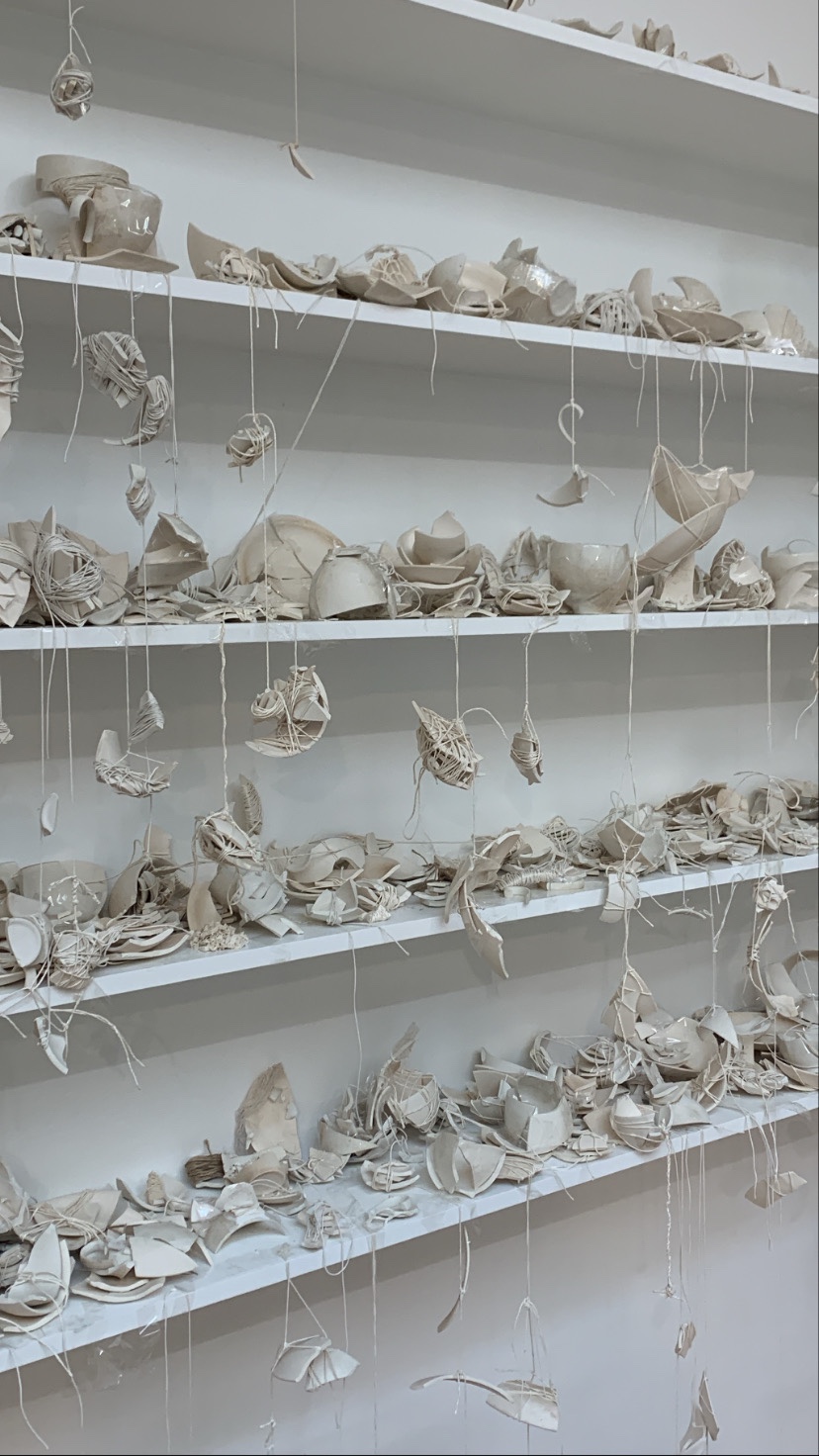
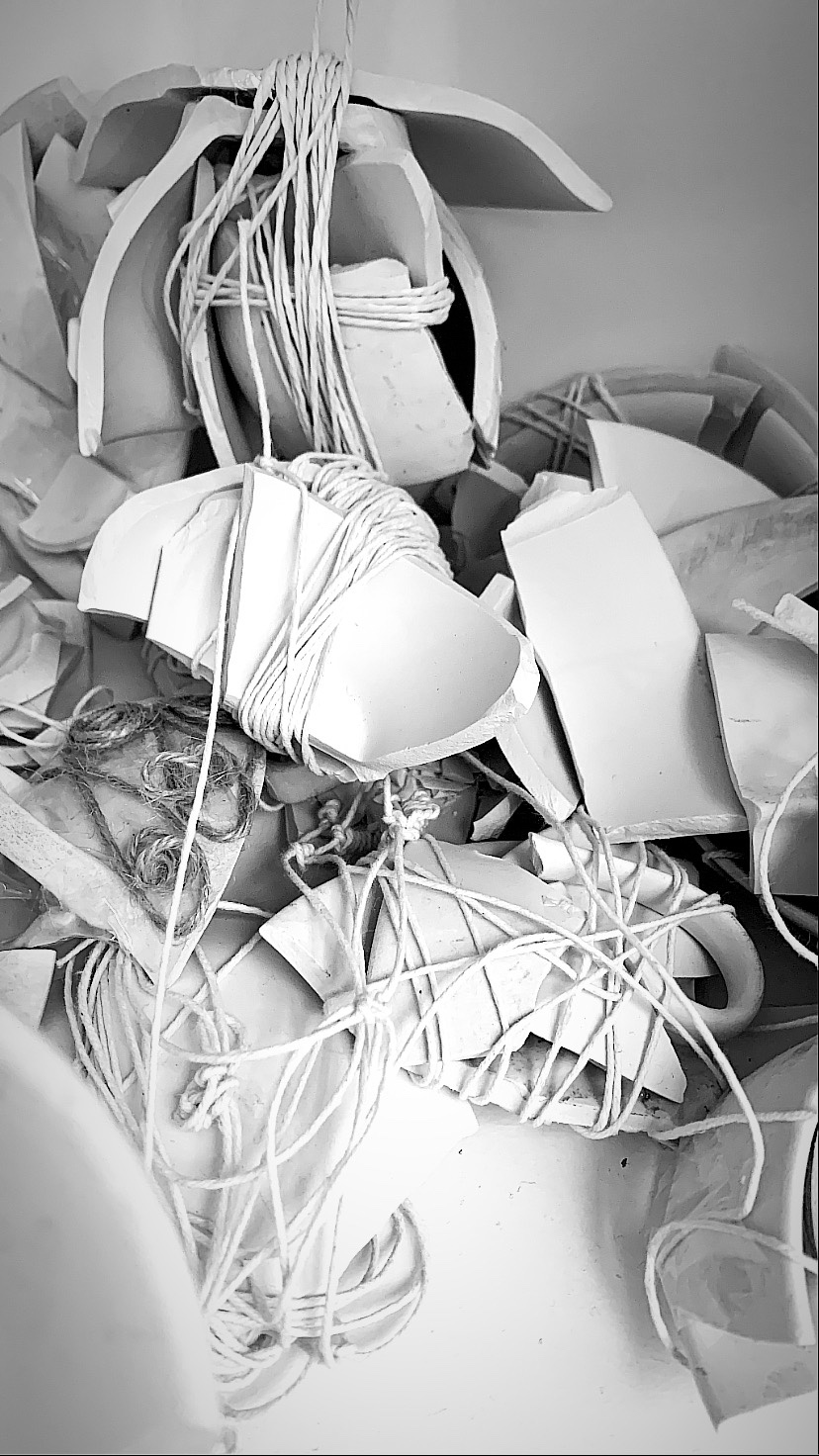
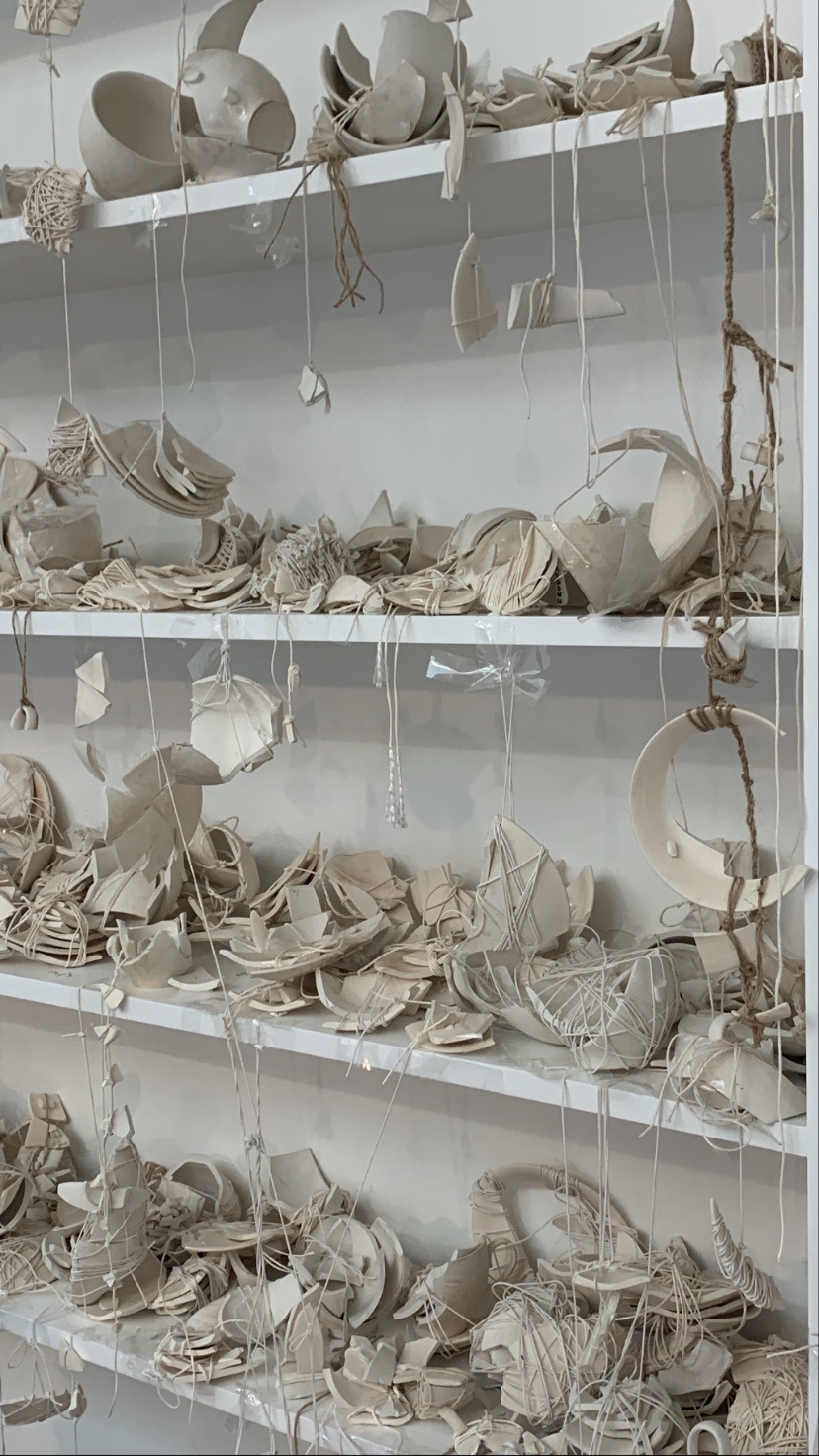
“Mend carefully. Think of mending the world at the same time.” Are the instructions given to visitors of the Yoko Ono exhibition, which features broken fragments of ceramic cups and saucers. You are given scissors, glue, twine and tape to do this. Once one has finished mending, you can display your finished piece on the shelves on the walls. This immersive and hands-on experience allows one to see beauty in the discarded objects, transforming them into works of art instead of discarding them. This exhibition was fascinating, I had never seen anything quite like it, it tied in perfectly with sustainability. Each piece is one of a kind and I loved how they all turned out.
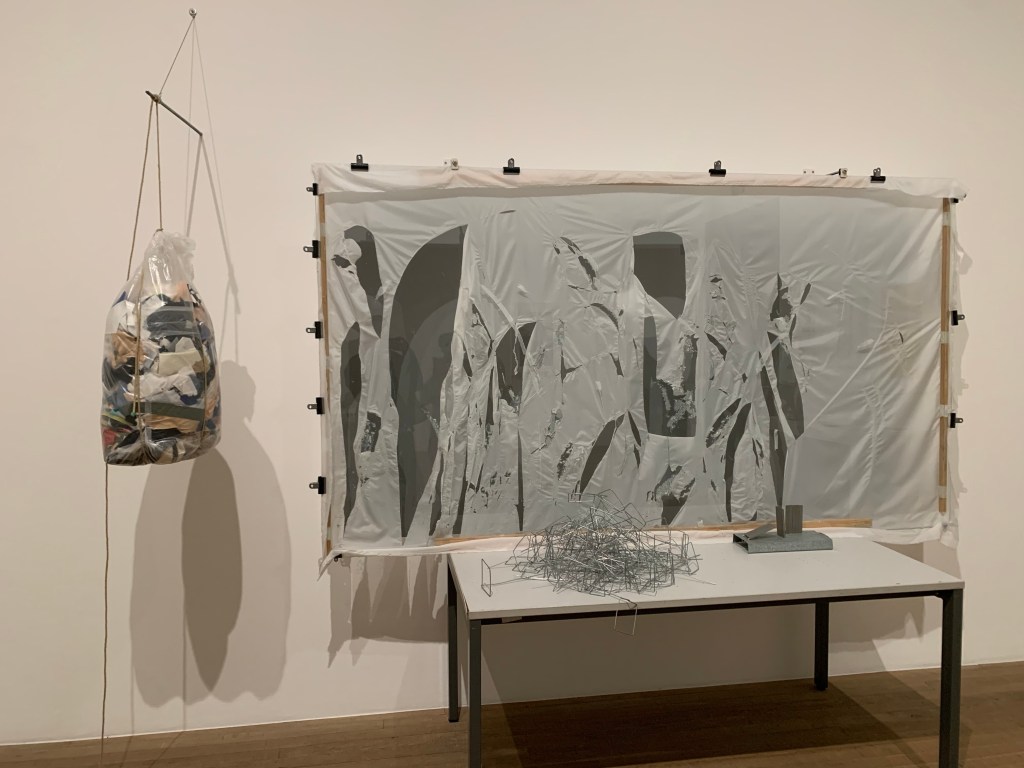
Gustav Metzger: Recreation of First Public Demonstration of Auto-Destructive Art, 1960 remade 2004, 2015
Tate Modern

Describing auto-destructive art as ‘public art for industrial societies. Metzgers’ first demonstration was on the 22nd of June 1960 at the Temple Gallery, London. He was concealed at first behind a glass pane covered with a nylon sheet. After applying a hydrochloric acid solution with a brush, the nylon started to dissolve. Slowly, Metzger became visible through the holes he had created, the presentation was accompanied by waste clothing in plastic bags and models for auto-destructive sculptures. I found this installation fascinating, the way one could control the rips and holes that were created on the nylon fabric. the bag filled with textile waste made it more relevant to my project, perhaps this method could be introduced as a way of getting rid of waste fabric? Instead of giving it to landfill?

Fast Fashion

Fast Fashion accounts for 10% of all carbon emissions in the world. It is the second-largest industry behind the oil industry when it comes to pollution. Among the detrimental environmental factors, there is of course the workers. They are not paid fair living wages, they are often forced to work 10-18 hours a day 7 days a week to meet fashion brands deadlines. Their wages are so low that they can’t refuse to work overtime. Research from the Worker Rights Consortium shows garment workers’ average wages have decreased over the past year by 21% from an average of $187 a month to $147. After watching the documentary ‘The True Cost’ it opened my eyes further to the atrocious conditions these poor people have to live in just so they can feed our materialism and demand.

The rise of second hand shopping
Renting clothing

Recently there has been an uprising in clothing rentals. Eshita Kabra Davies, the founder of By Rotation created one of the first clothing rental apps. This is a great initiative for people to try before they buy, creating less waste in a world where everyone wants more! If you were to have an event or wedding one of those things where you need something special to wear that you will most likely never touch that piece ever again, schemes like this are perfect!

Marcel Duchamp

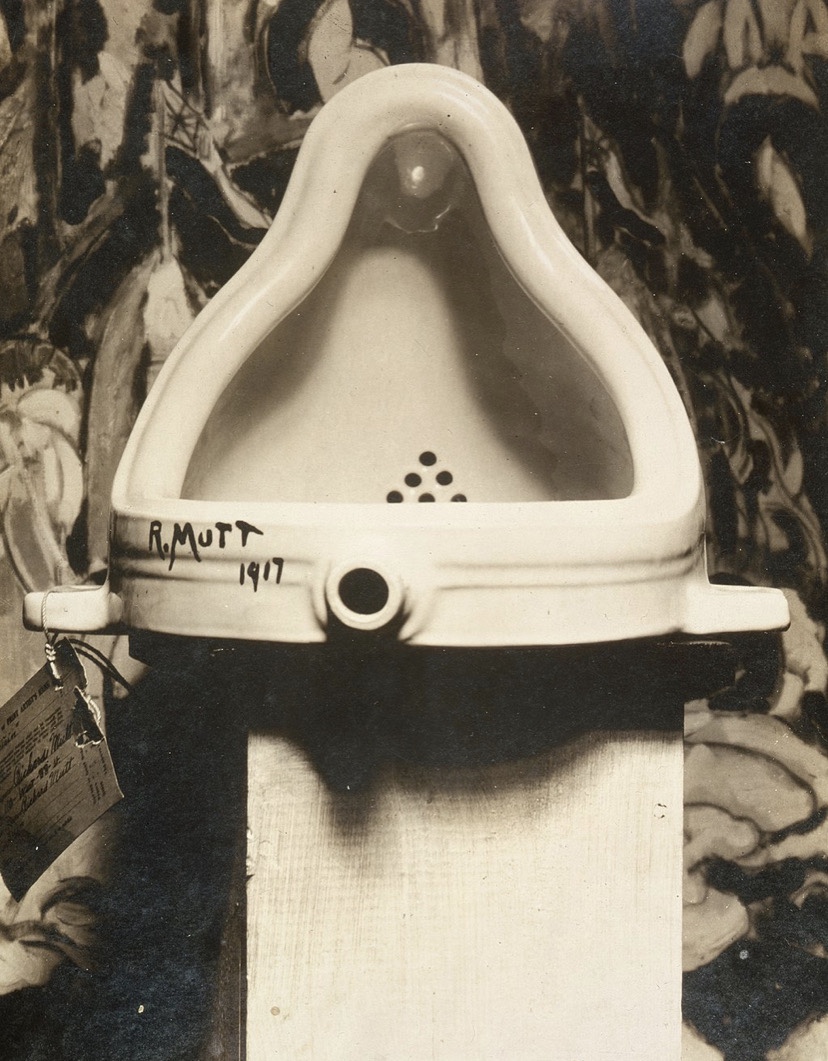
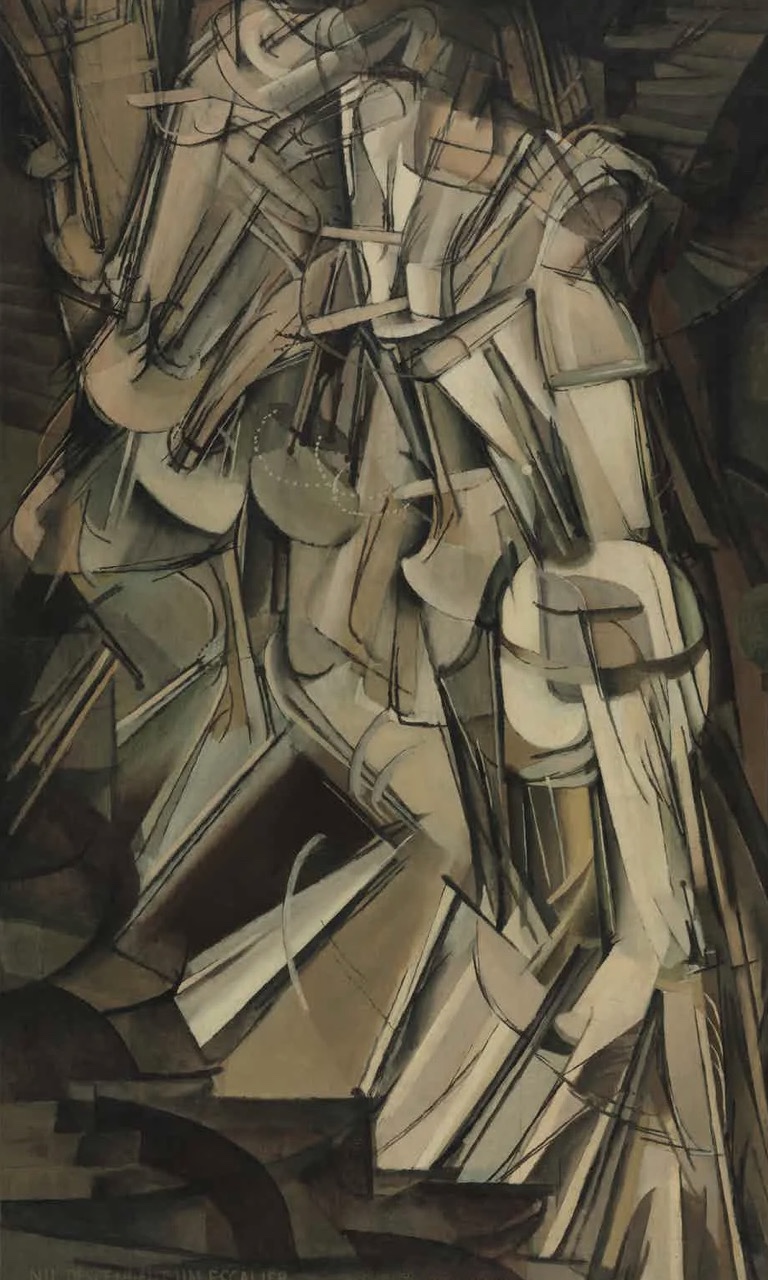
Marcel Duchamp was a French painter, sculptor, chess player and writer whose work is associated with Cubism, Dada and conceptual art. Duchamp is perhaps most famous for his absurd art titled ‘Fountain’. Duchamp wanted to submit artwork to the Society of Independent Artists’ salon in New York, who had said they would accept any piece of art as long as the artist paid the application fee. Duchamp presented an upside-down urinal signed and dated “R.Mutt,1917” and titled Fountain. His urinal changed the art world forever. Many had opinions on whether or not his urinal was ‘art’, but a decision was made that the fact that he had chosen this object and positioned it in a new way had created a new outlook for the object. His work to me is eccentric, unique, perhaps random but meaningful. You could say he touched on sustainability with his urinal, giving it a new lease of life!

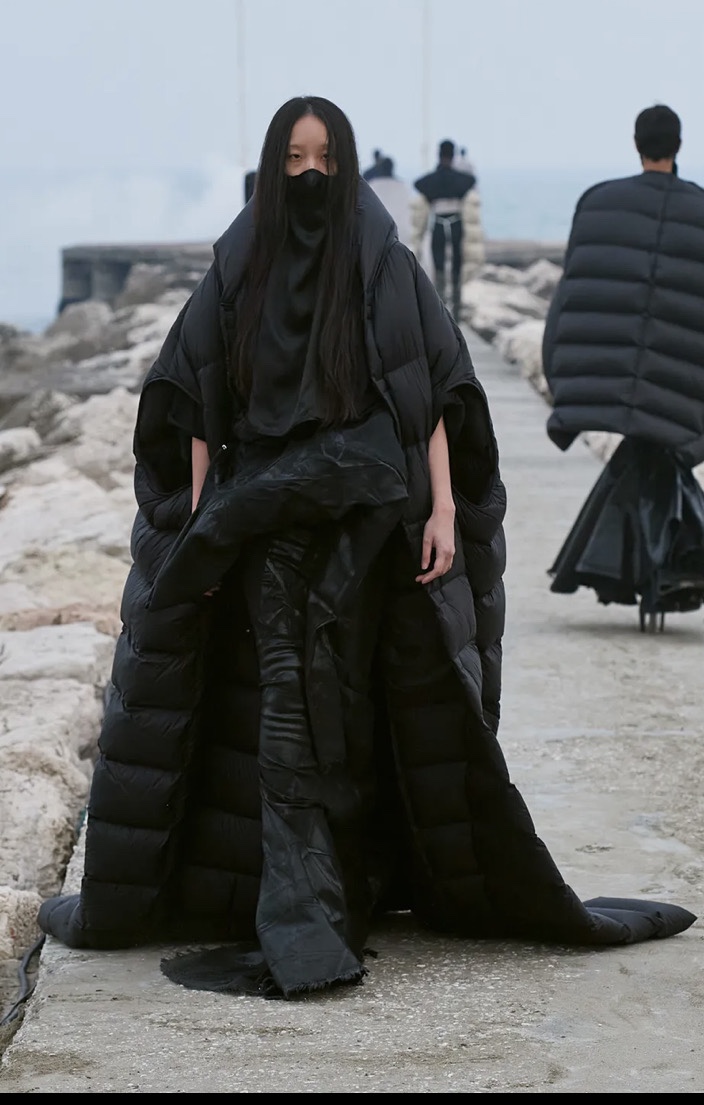
Rick Owens

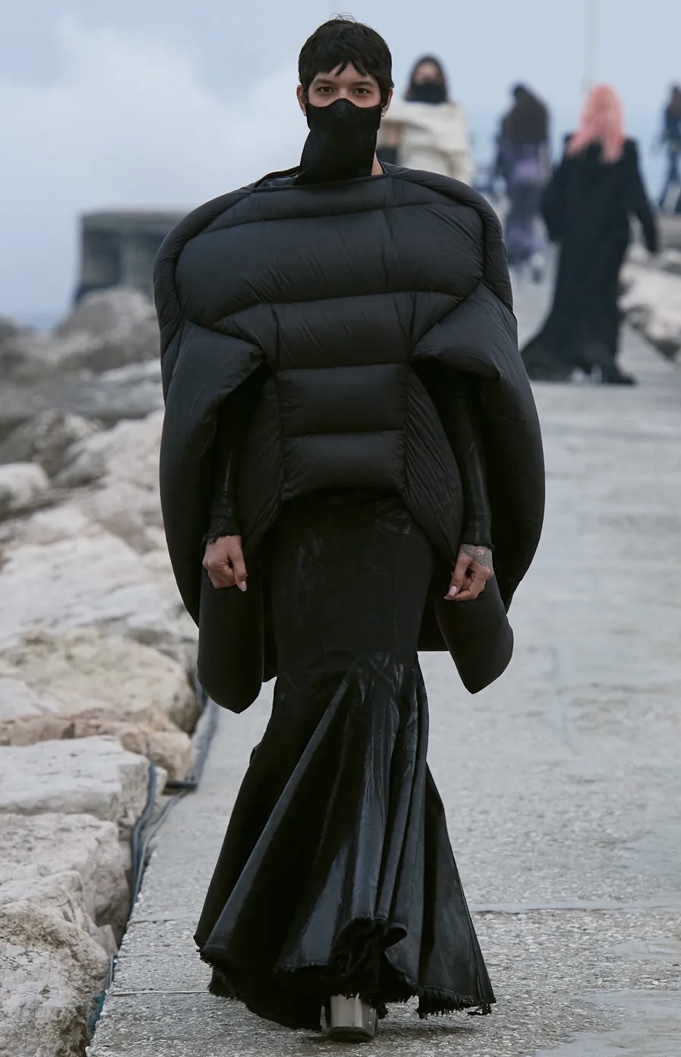
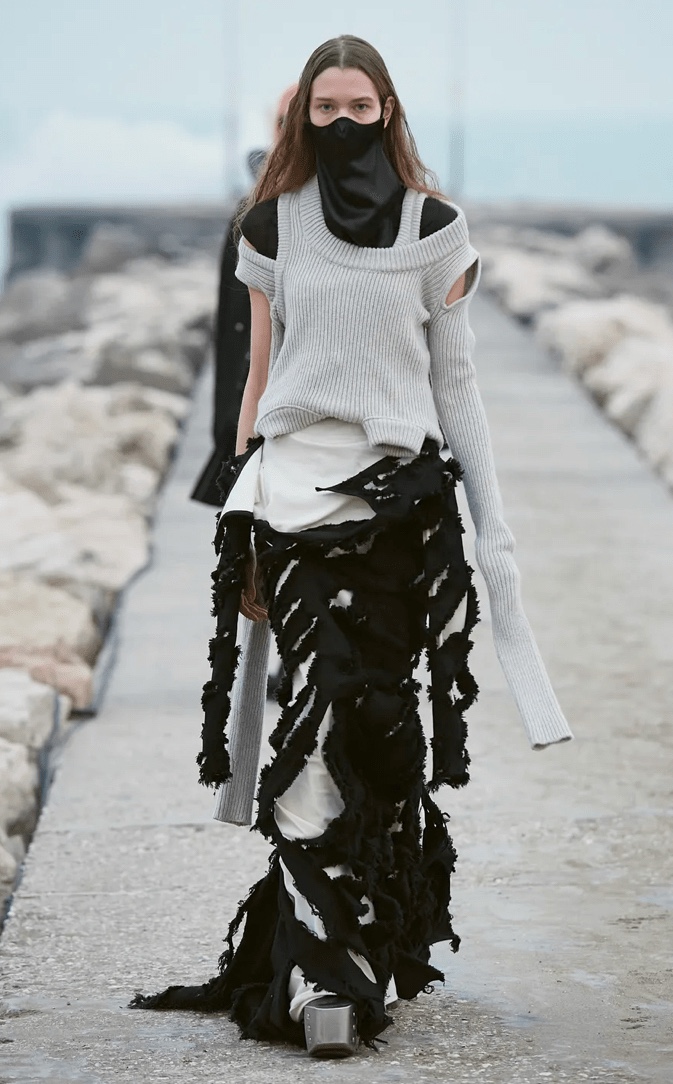
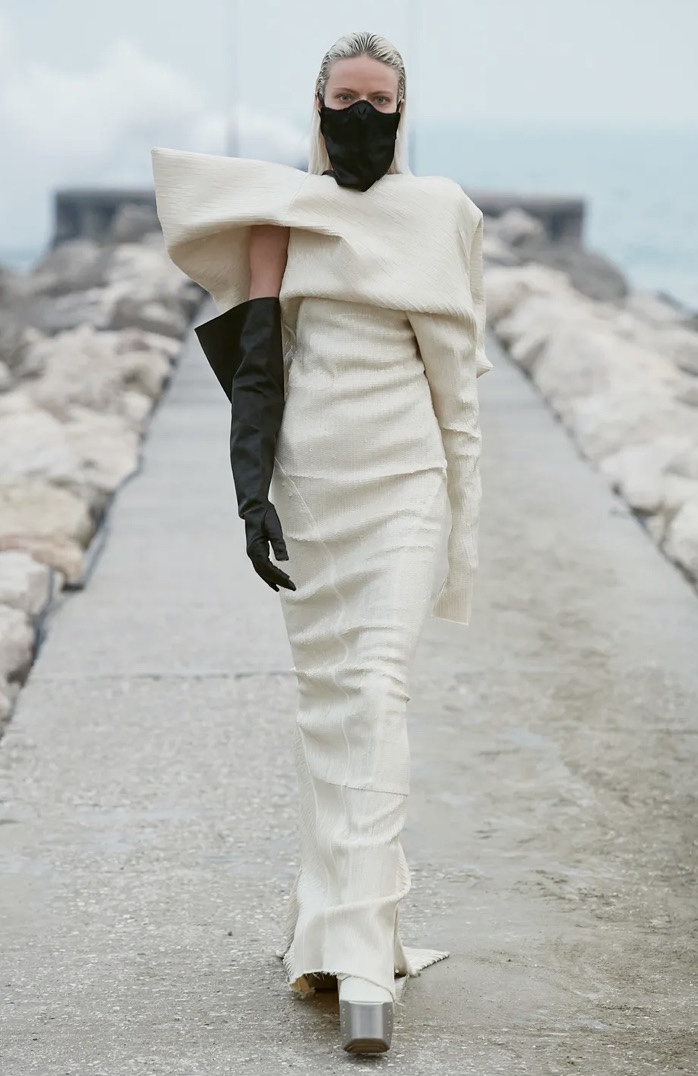
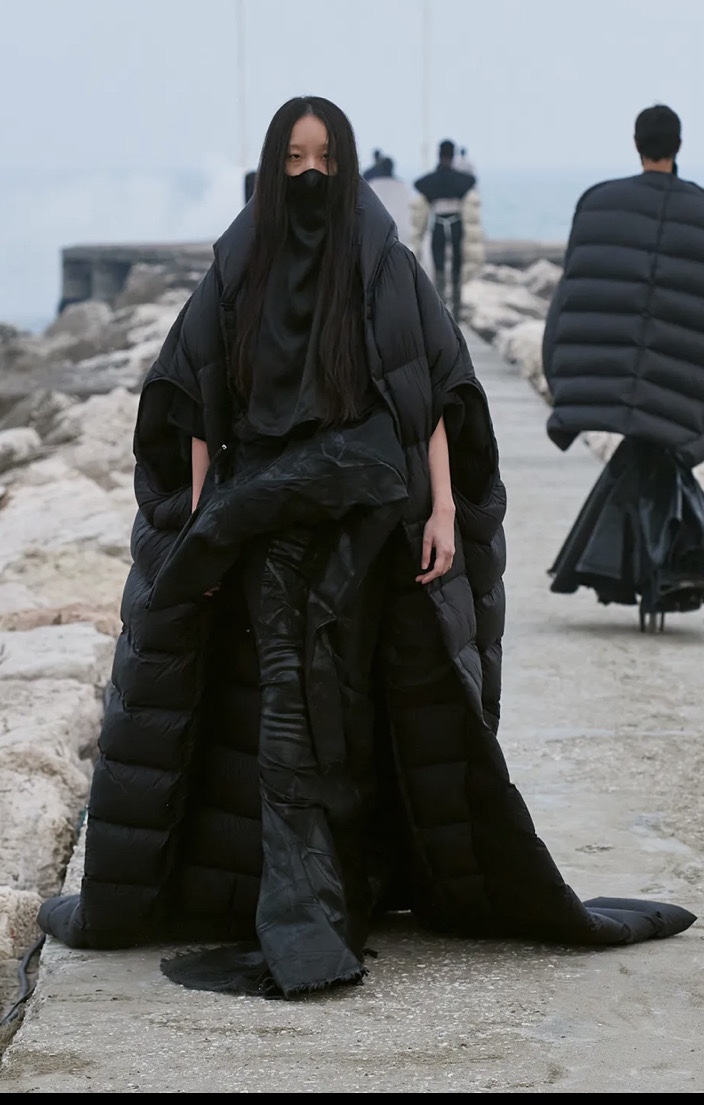
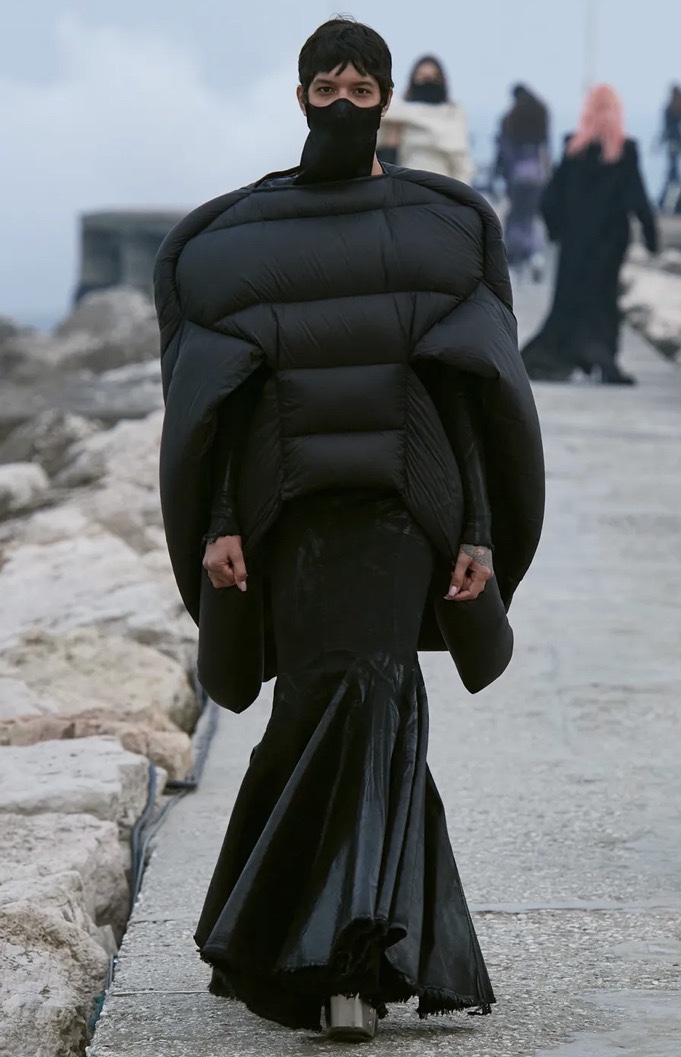
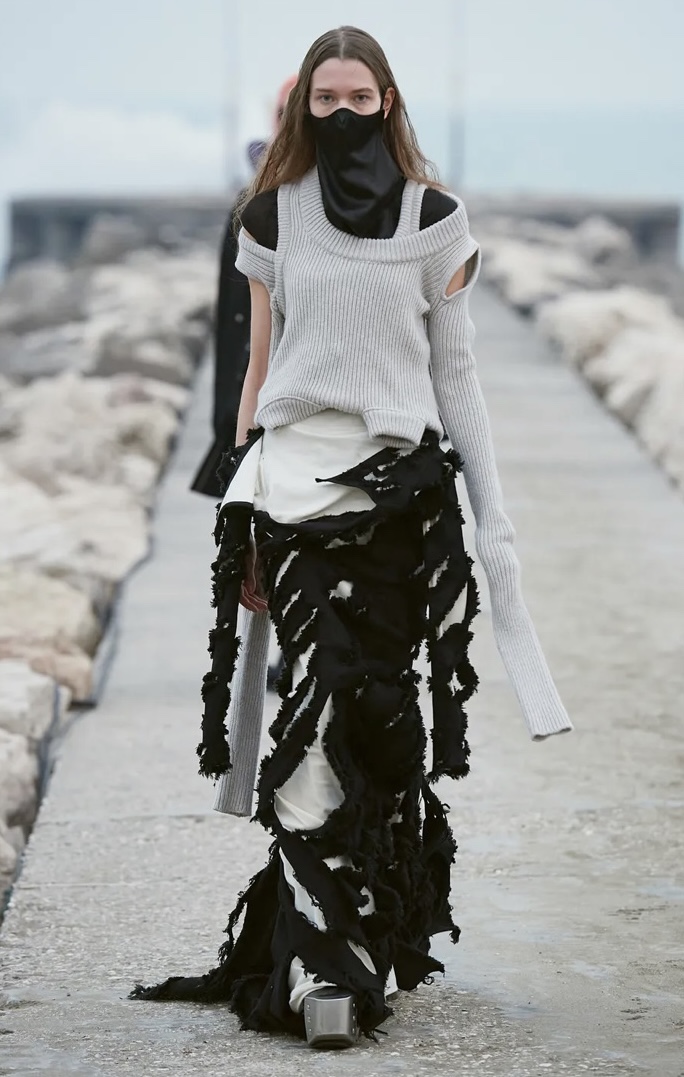
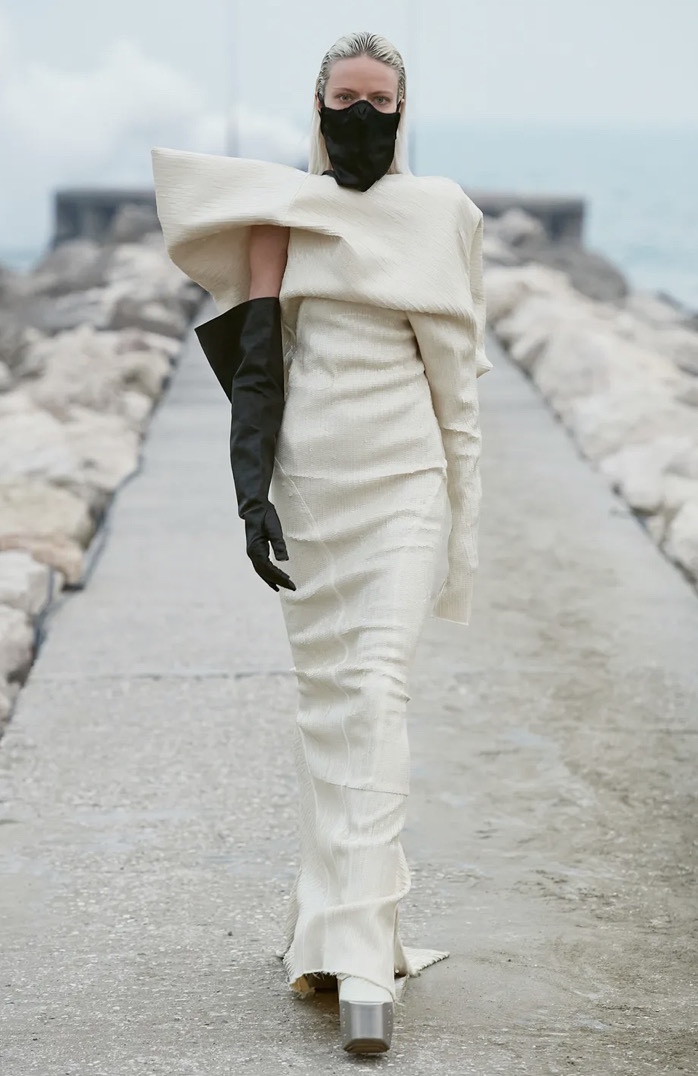
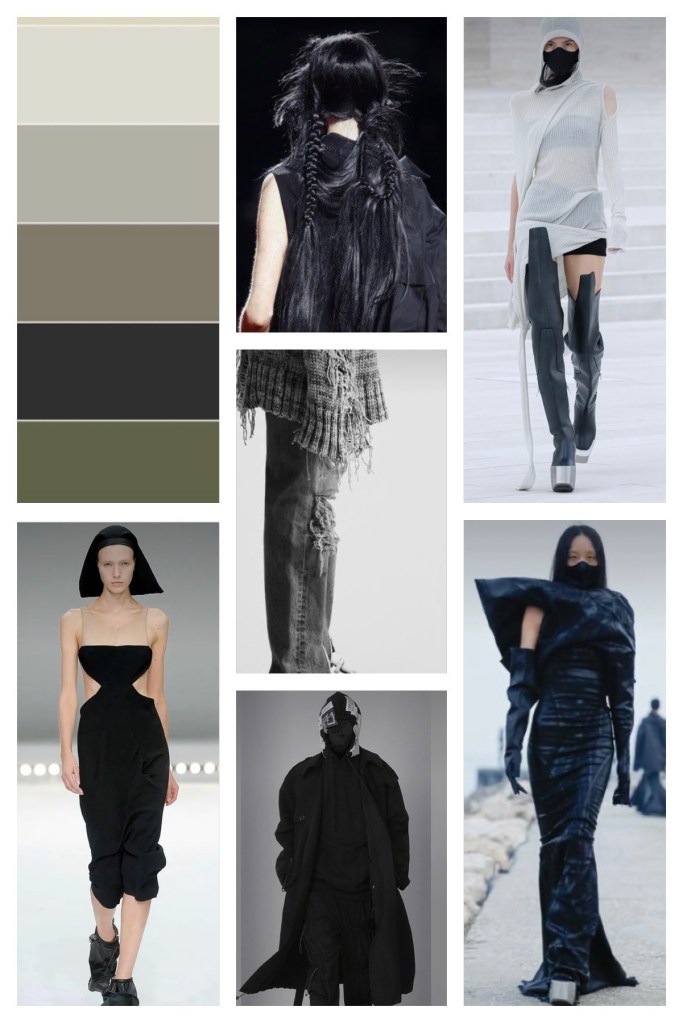
Rick Owens’s Fall 2021 Ready-To-Wear show was held at his Venice Lido, again without an audience. Rick has adapted well to the pandemic, his shows with only his team present are intimate but no less powerful than before. The models each wearing masks, if not to remind you we are still in a pandemic! For me, the show felt dark, mysterious, otherworldly and showcased Rick at his best. The sea splashing violently against the rocks, the bleak overcast day all added to the atmosphere and mood of the show. Time after time the models strutted fiercely down the runway showcasing their futuristic looks which each encapsulated the brand to the fullest. This show has to be one of my favourite of his, unfortunately, I don’t have my own lido to recreate the fabulous location… but there are aspects I will pull to inspire my piece at the end.
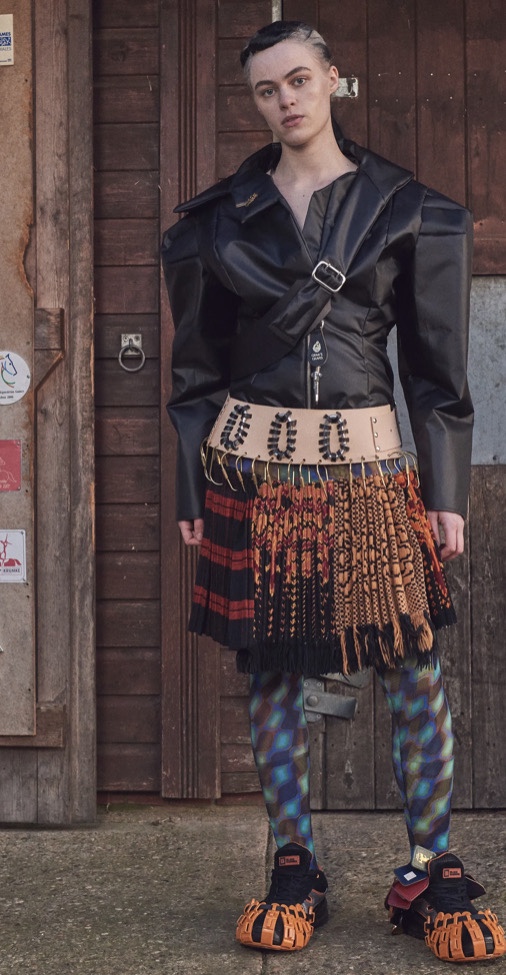
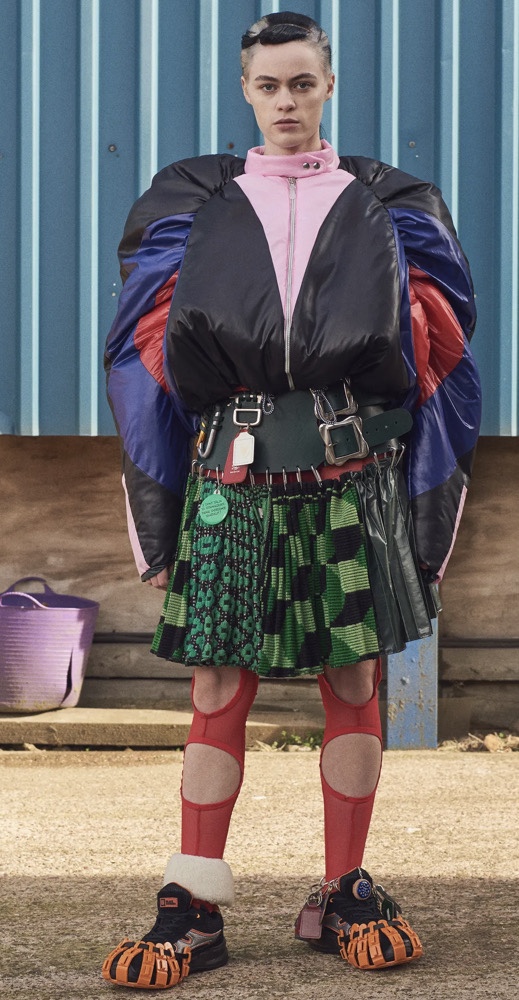
Chopova Lowena

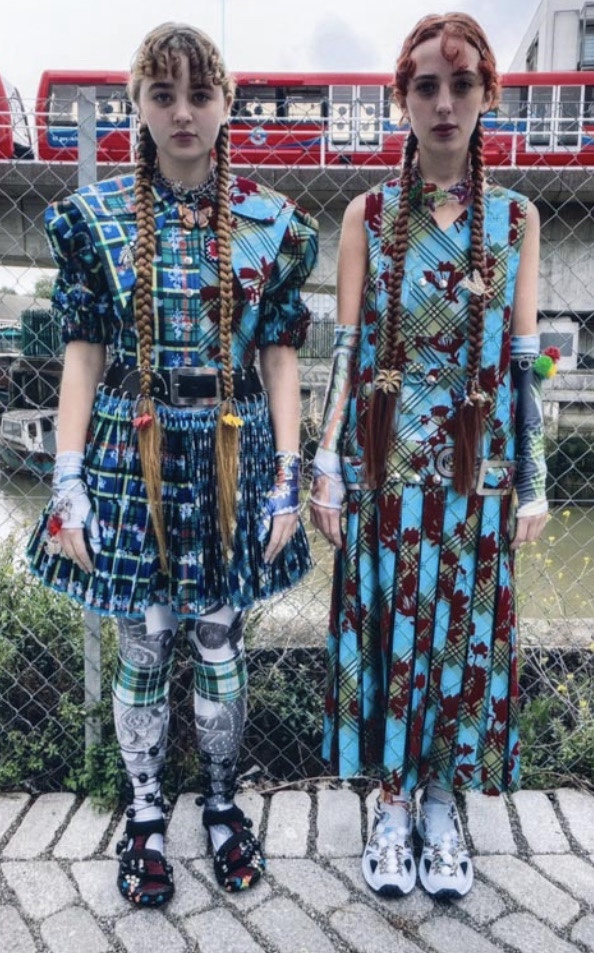
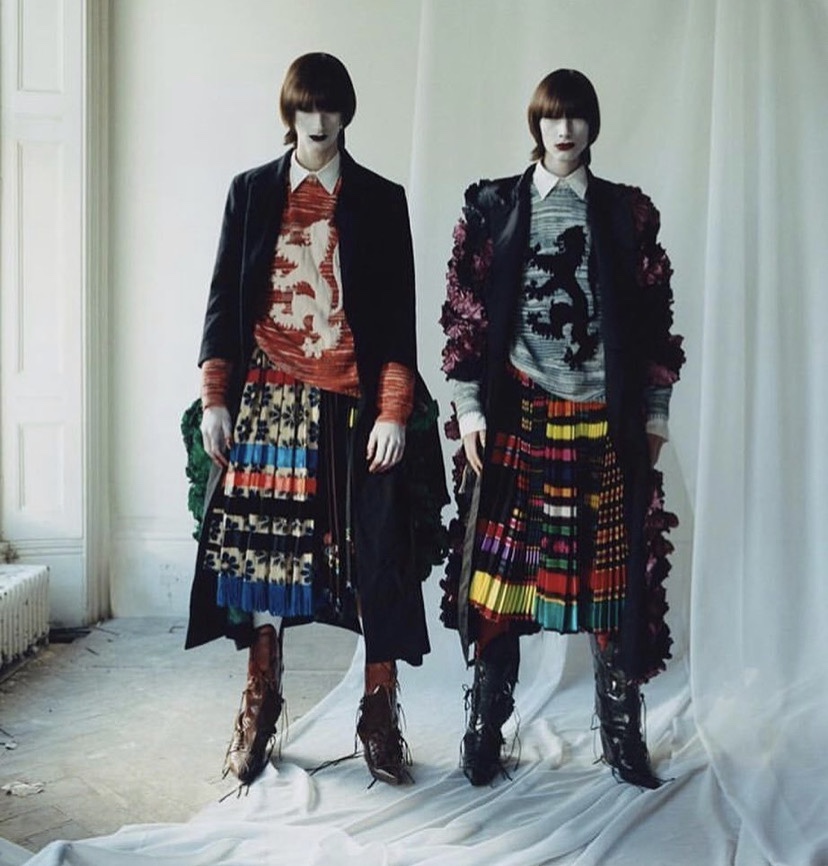
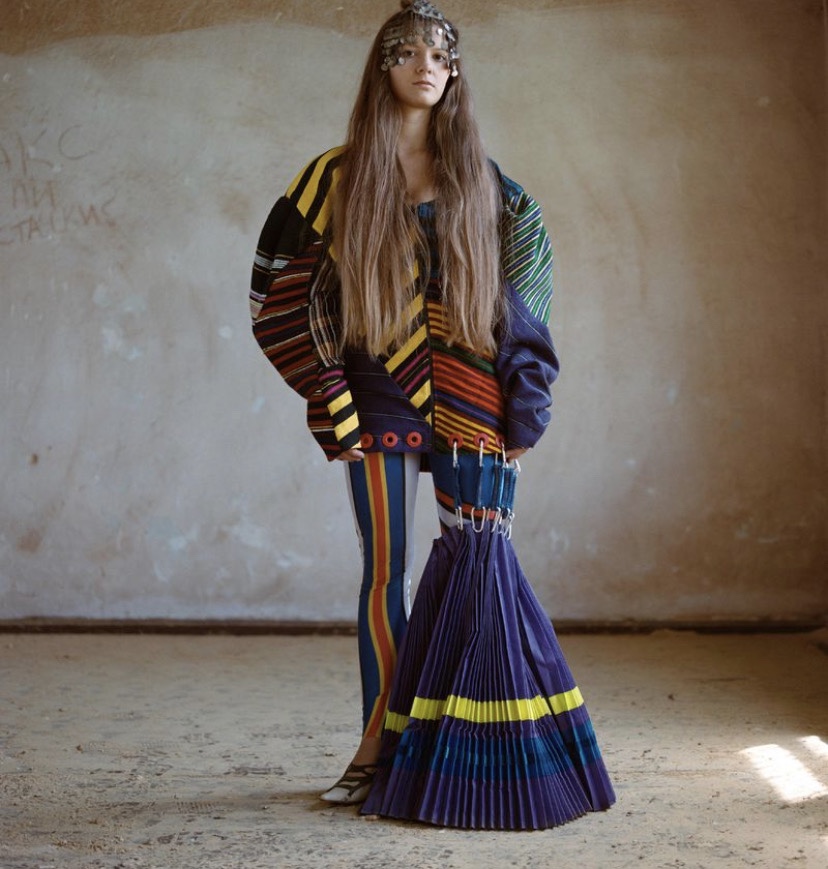
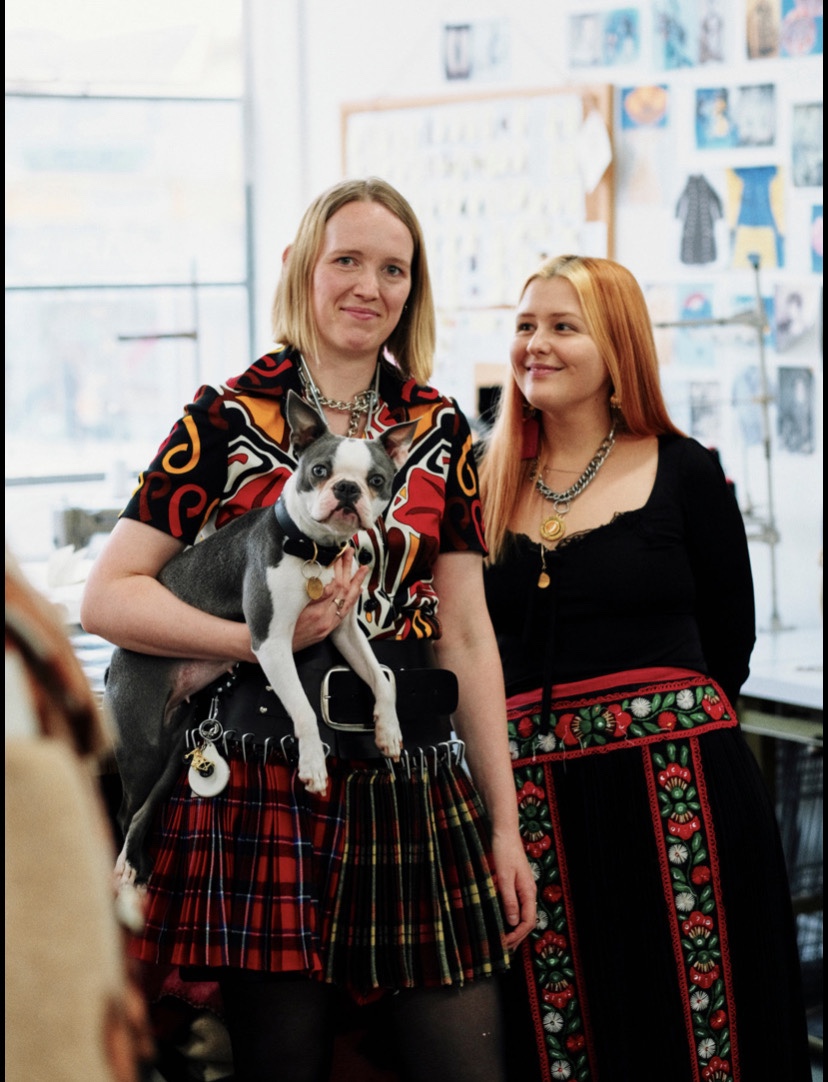
Emma Chopova and Laura Lowena founded their label back in 2017. They both studied at Central Saint Martins on their BA Fashion Programme, discovering they both shared a love for handmade objects and folklore fashion. Their label consists of traditional Bulgarian dress, amazing pleated quilts with leather waistbands, bright colours and patterns. Their pieces are handmade often started in Bulgaria and shipped over to their London studio where they finish the creative process. Sustainability is at the core of their brand with an environmental rating of ‘good.’ They use a high proportion of eco-friendly materials including recycled materials, which also limits the amounts of chemicals, water and wastewater used in production. Chopova Lowena is a great brand that is making a truly positive impact within the new sustainable movement.
Stella McCartney

Stella McCartney always makes a huge contributing effort to be as sustainable as she can with her brand. Sustainability is truly at the core of her brand DNA, she is honest and transparent with buyers on what Stella McCartney is doing as a brand to make a difference. Stella is a well-known environmental activist, using materials such as Econyl which is made from recycled plastic bottles. It is refreshing to see someone who is not only so passionate about sustainability but also actively making a huge difference. So many brands nowadays preach all things sustainable but are greenwashing.

Sustainability Timeline

2001 

No leather, feathers, fur or skin since day one 

2008

Began using organic cotton 

2010 

Went completely PVC free 

2012 

Introduced bio-acetate in Stella Eyewear, started using recycled polyester, launched Clean by Design in our Italian mills, banned plastic water bottles, ensured all of our wood was sustainably certified, joined the Ethical Trading Initiative (ETI) 

2013 

Stopped using angora, introduced eco Alter Nappa, began using solar panels and LEDs in our stores 

2014 

Ensured that all of our paper and cardboard packaging was certified sustainable 

2016 

Achieved 100% sustainable viscose, ceased use of virgin cashmere 

2017 

Launched the first garment made with Bolt Threads’ Microsilk™️ and introduced Econyl® regenerated nylon 

2018 

Banned the use of mohair, launched the Loop sneaker, committed to going plastic free, released the first vegan Stan Smith and created the first handbag made with Bolt Thread’s Mylo™️ mushroom leather 

2019 

adidas by Stella McCartney launched the first-ever garments made with Evrnu’s NuCycle™️ yarn and KOBA® Fur Free Fur, a sustainable, recyclable animal alternative made from recycled polyester and plant-based plastics 

2020 

Announced McCartney A to Z Manifesto, defining and guiding our sustainable vision, debuted Coreva™ biodegradable stretch denim, bio-lenses in Stella McCartney eyewear, bio-acetate frames in Stella Kids eyewear and launched Stellawear – a sustainable innovation fusing underwear and swimwear, made from Aquafil Econyl® regenerated nylon and ROICA™ elastane 

2021 

Released world’s first-ever garments made from Bolt Thread’s Mylo™️ mushroom leather, launched Air Slide made from recycled industrial waste

Thoughts after designer and initial research

After researching different manifestos and developing my artist research I was able to find a clear vision and idea to stick to. I knew I wanted to focus on sustainability, a topic that is so broad and can be interpreted in so many ways, but meaningful to me. I thought of doing a film with my manifesto appearing in a text or as a voiceover? A film would be really interesting to create and I think it would be the best way to get the information and message across. I am going to look at my favourite films to inspire me and look at potential locations around Kingston.

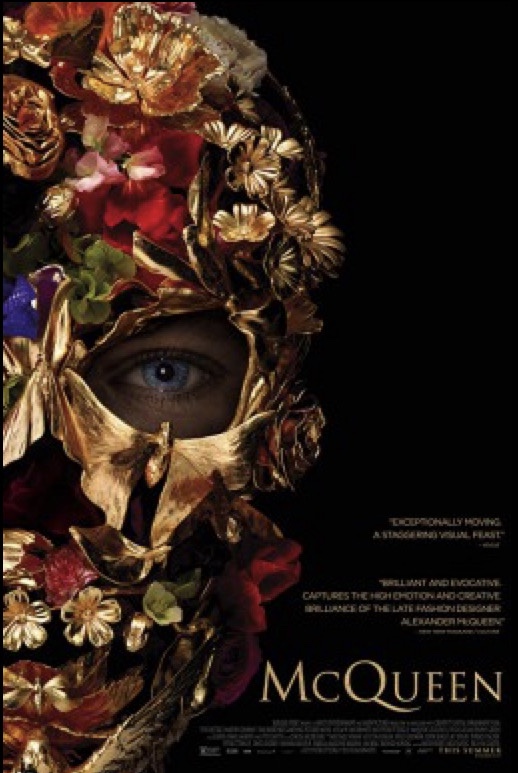
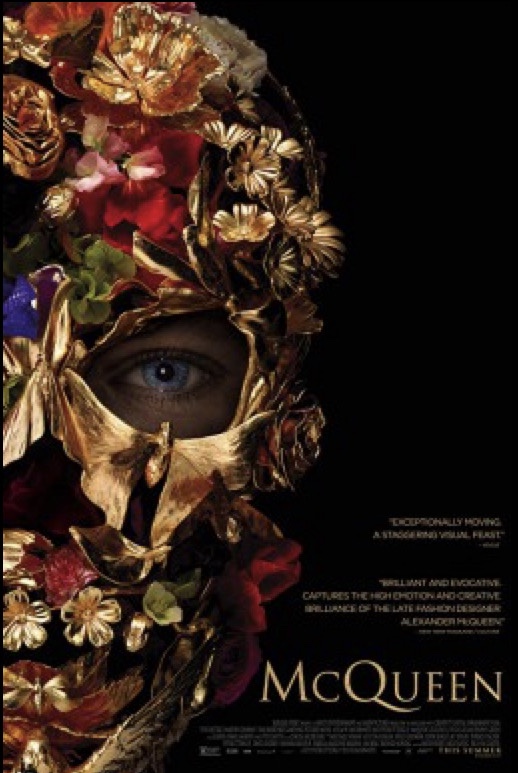
McQueen Film

My favourite film of all time is the McQueen film, released on the 22nd April 2018. McQueen is a biographical documentary film centred around the life and career of Alexander McQueen. Directed by Ian Bonhôte and co-directed and written by Peter Ettedgui. Alexander McQueen was the first designer I discovered years ago and what got me into fashion. This documentary I find so inspiring I end up watching it most weeks as I feel I learn more and more every time I watch it. He was a genius so ahead of his time, so inspirational to me and many others. The film was produced so well and it tells such a beautiful story. If I could create a short film that resonated on this sort of level that would be my ideal goal, I will draw from these various aspects when I do my location shots for the next step.
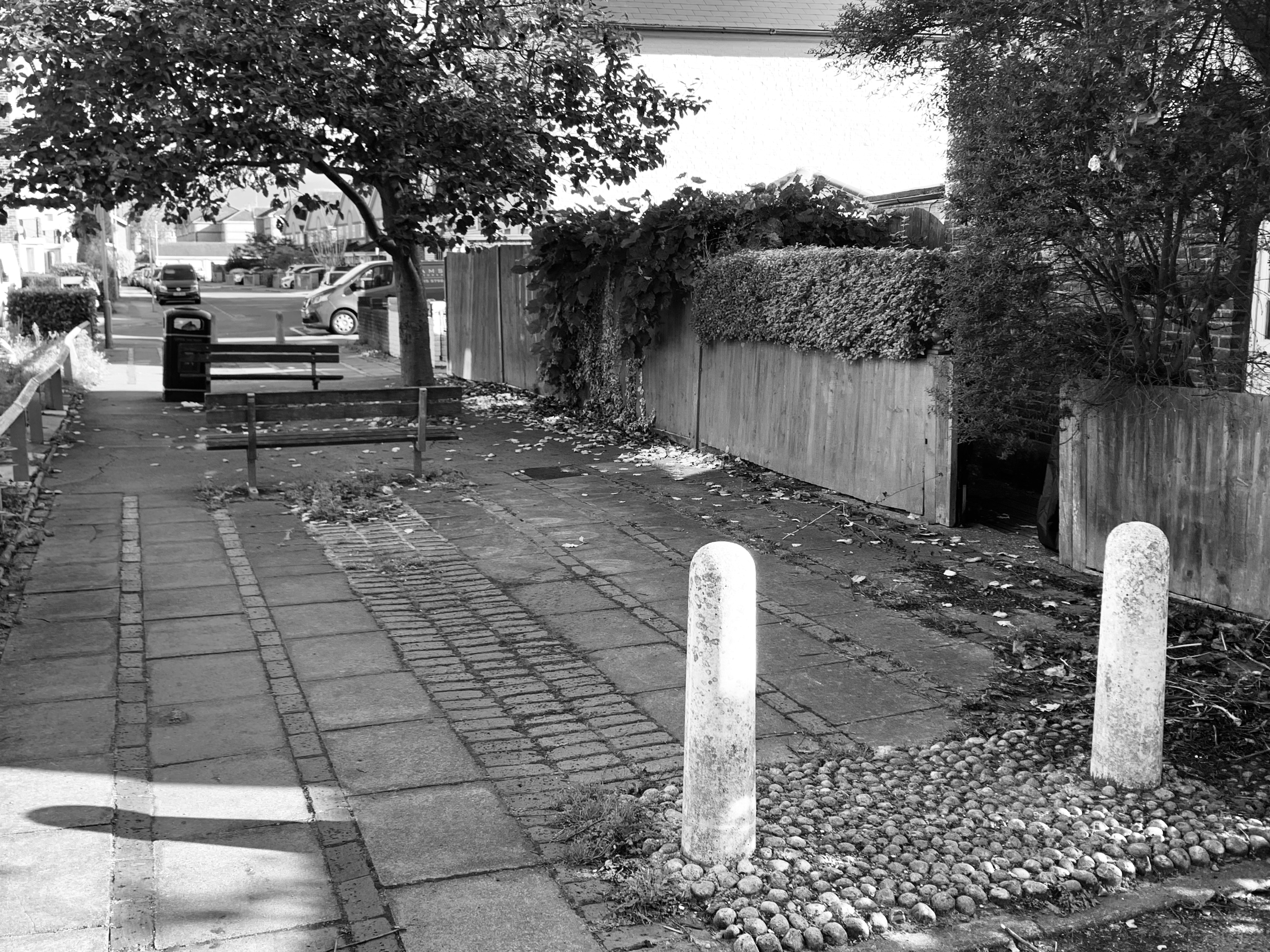
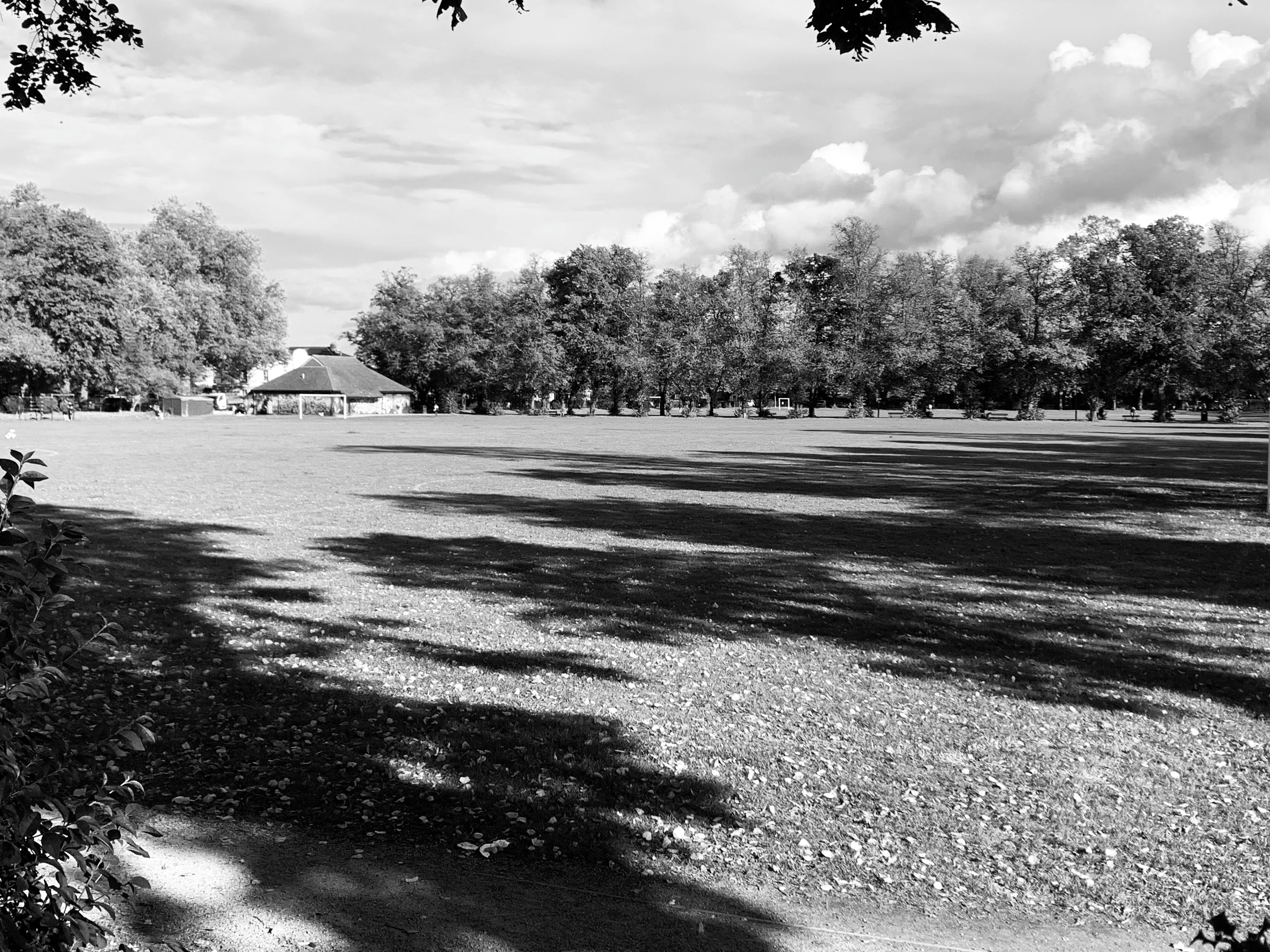
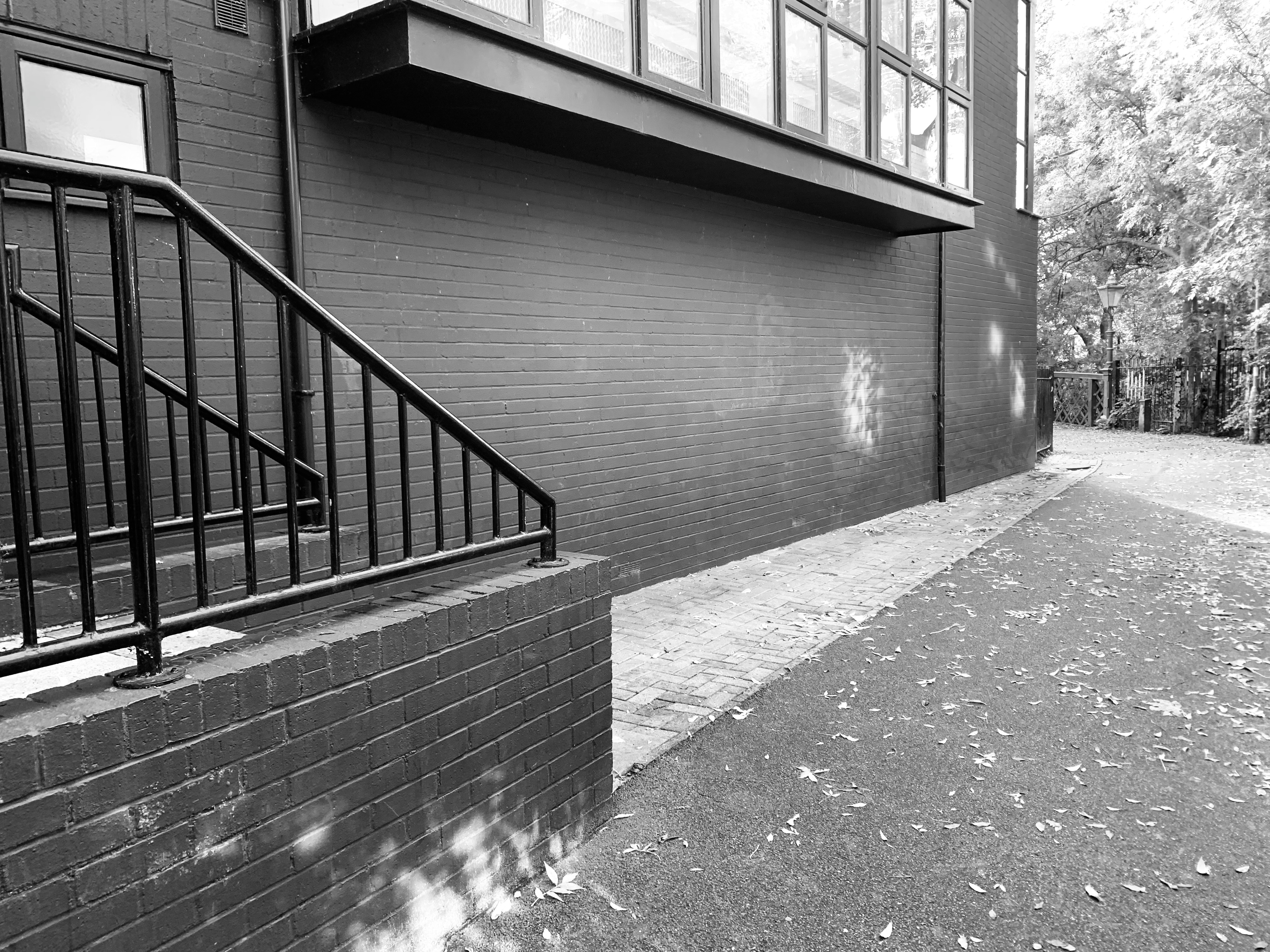
Compiling all of my research together, I realised I needed to start looking at locations to help me plan my ideas further. I decided to keep my shoot around Kingston, there are lots of areas I still have not explored and I am sure I can find something suitable.

Location sourcing and planning
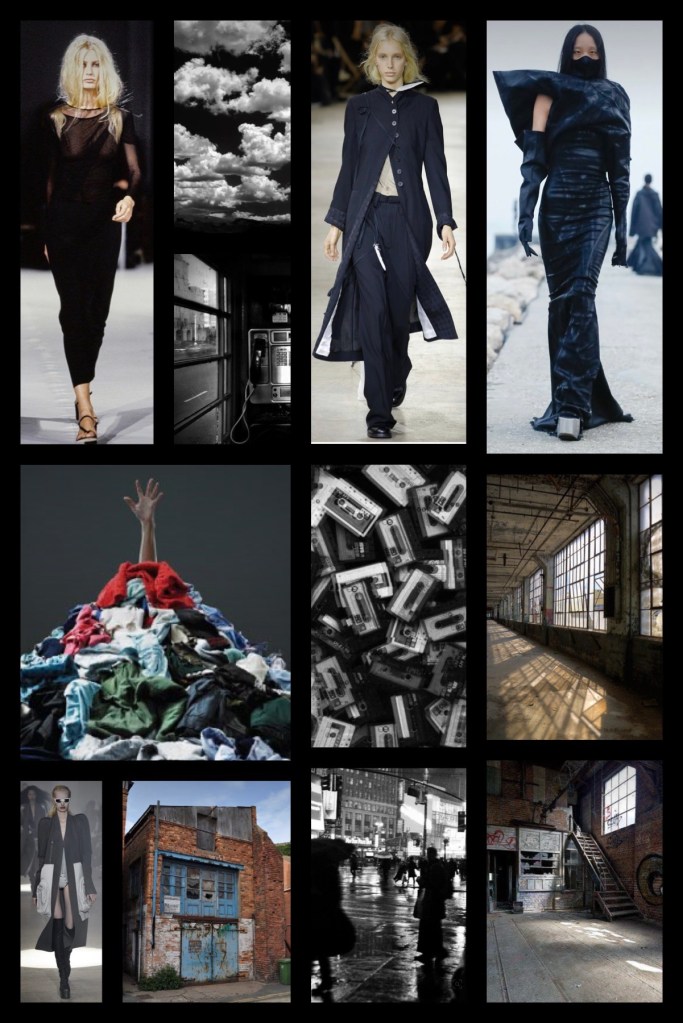
Moodboard
Shoot plan

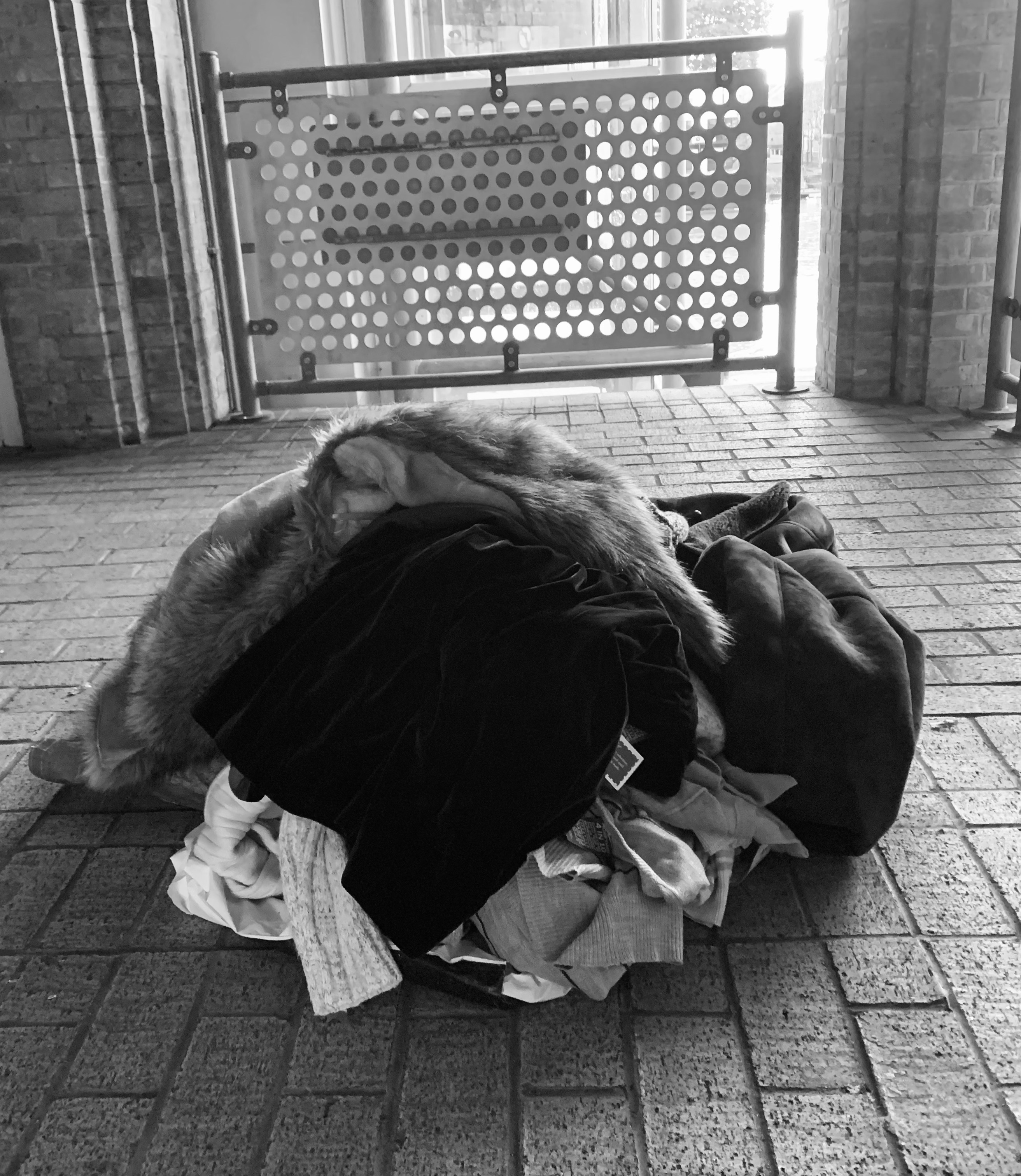
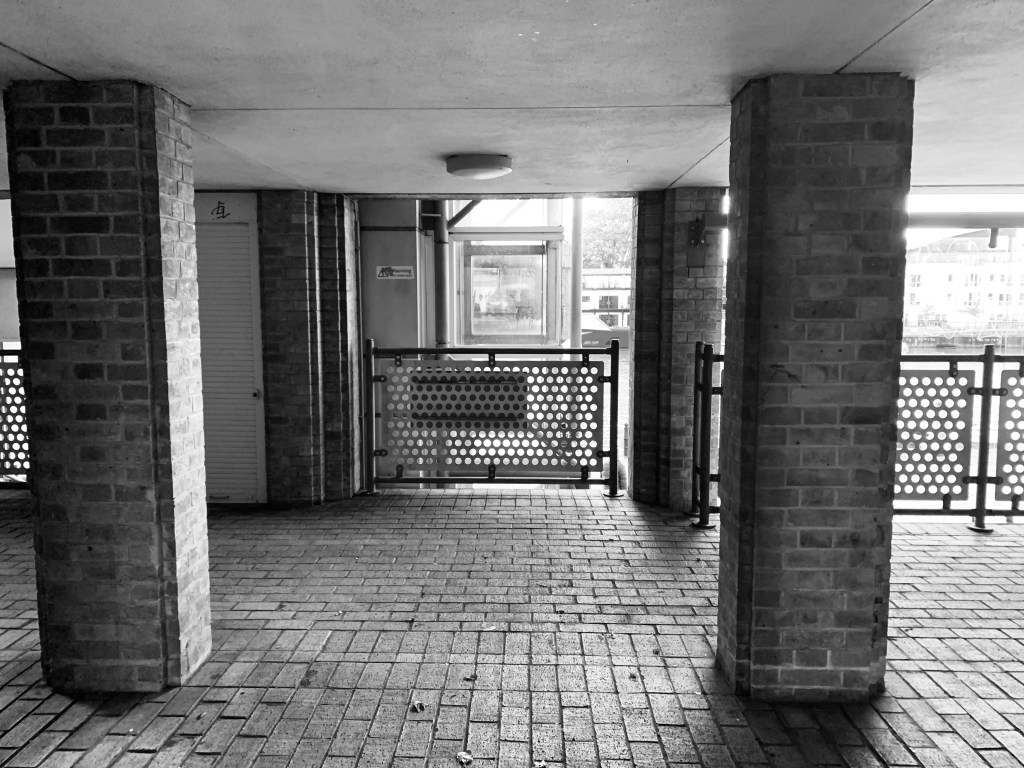
After compiling my research and references I want to go ahead and make a short film centred around sustainability. By creating this film, I feel it is the best way to get across my message and thoughts accompanying my manifesto. my mood board shows the development of me starting to look at the outcome and what I would want to include. My next plan is to finalise a location in Kingston, source some models and get shooting. I had thought of having a big plastic tarpaulin with a mountain of clothes in the middle. the main focus is mass production and proving there is no need to buy new after all but to give garments a new purpose if that be styling them differently or upcycling them. I want to have models walking around the clothes going in and out of the shot, maybe lying on the pile of clothes? Trying new looks out and putting different pieces on and together. I feel having the film in black and white will add mood and ambience to the overall feel as my manifesto is personal, colour may take away and distract I thought? I am unsure yet whether to say my manifesto in a voice over or to have it come up during the film as text, but I am looking forward to shooting the film and seeing what I can achieve!

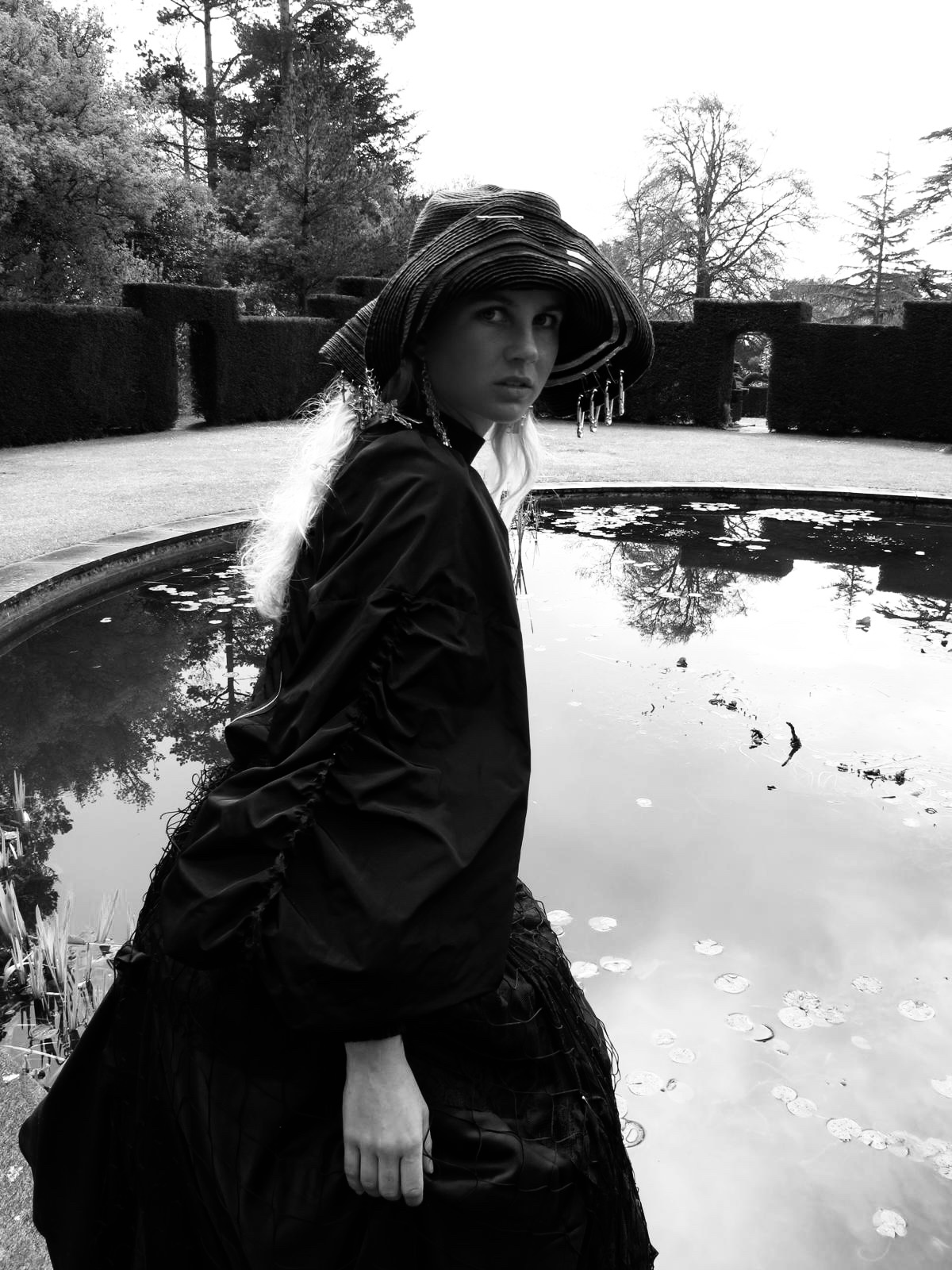
I refuse to buy new, creating a short film that focuses on repurposing garments, styling them in different ways to show a new outcome.

The chosen location
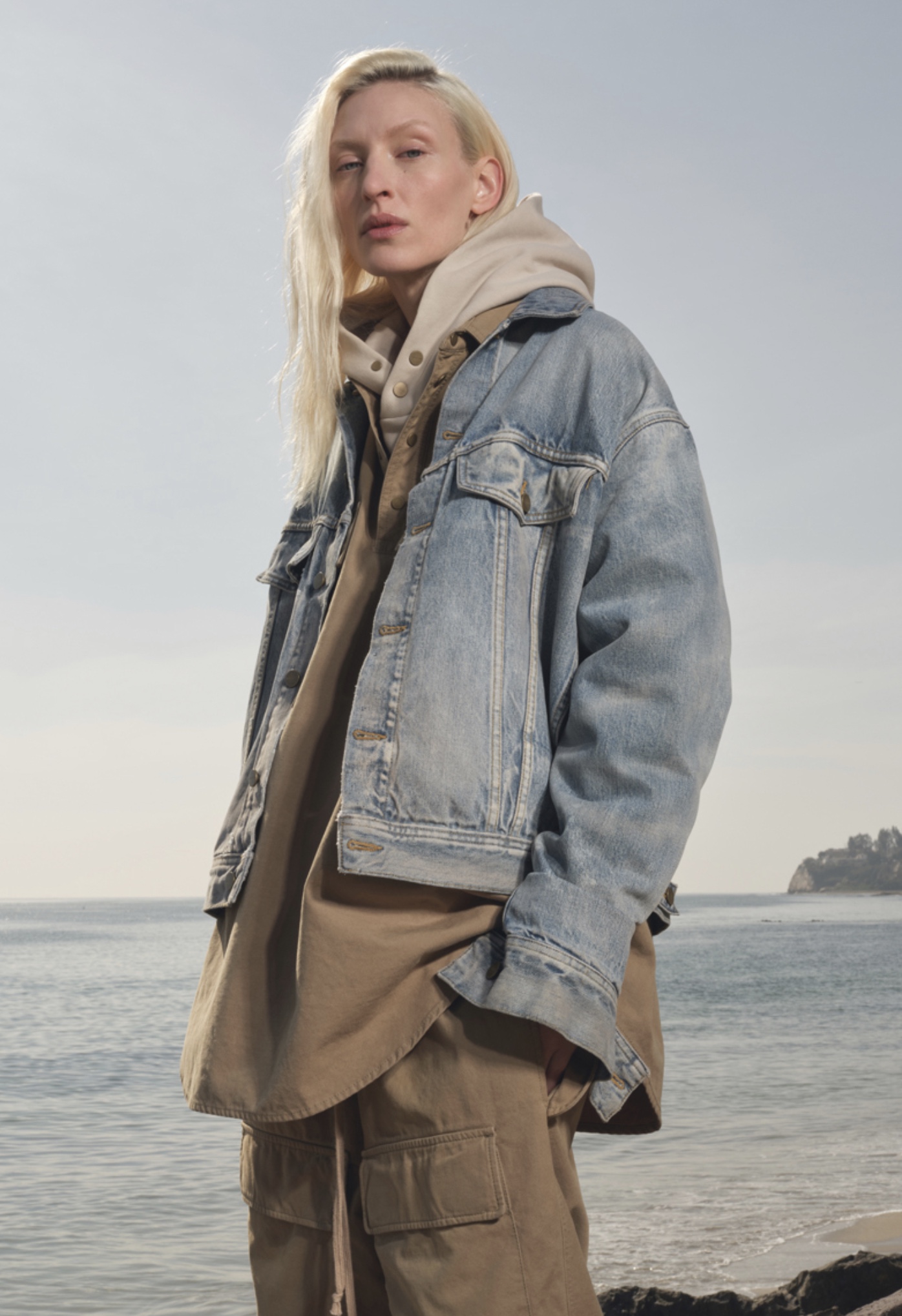
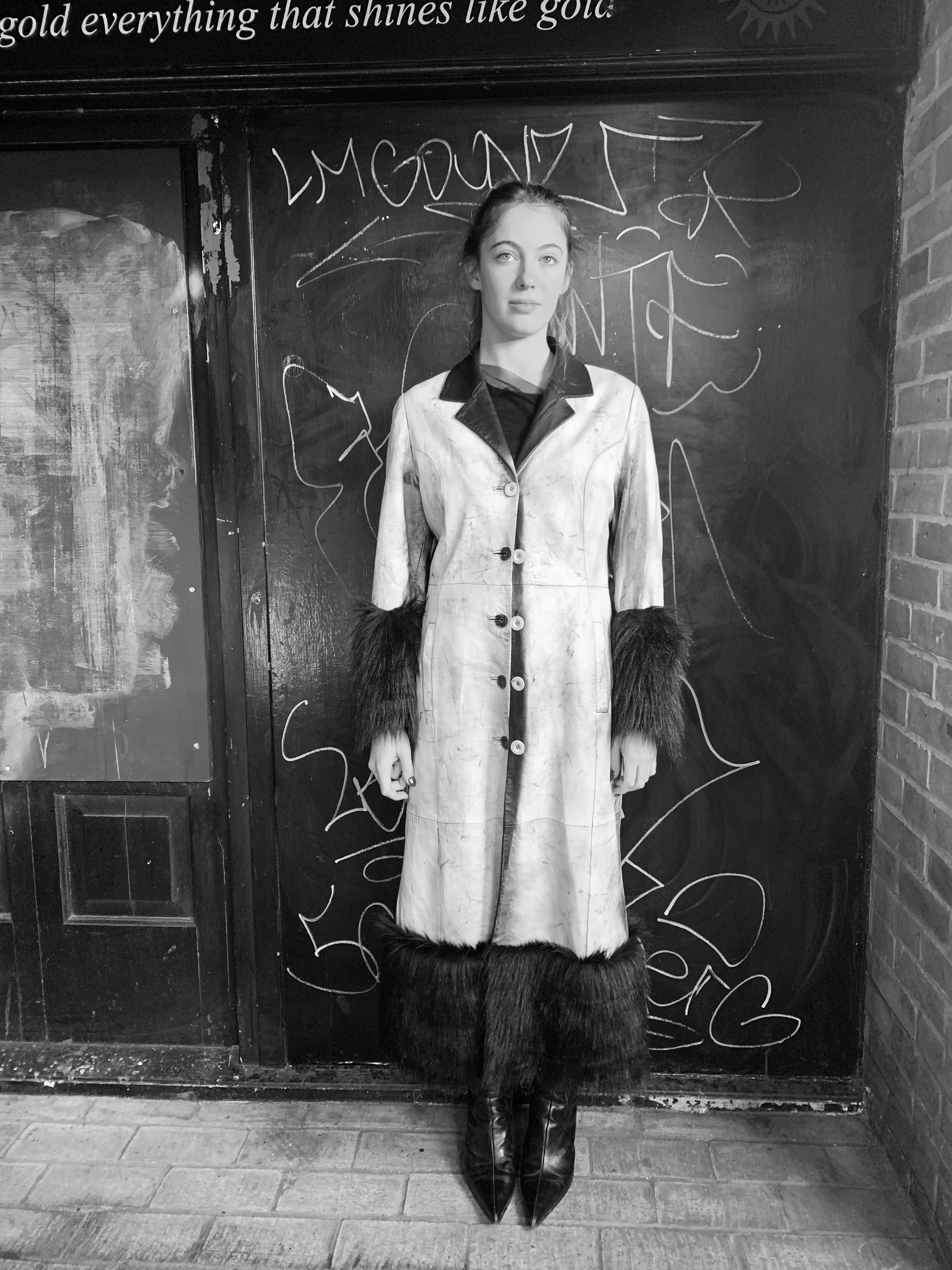
My model
Setting up the location

The final edited film

The final film after editing, I kept the clips short, fast paced, direct to help the message come across in its clearest form.
My film would be projected in A1.
I extracted my four favourite lines of my manifesto to include within my film…

If you cant stop, reduce.

Still buying fast fashion, why?

Do you think that is acceptable?

Stop buying new.

To conclude

This project has given me the freedom to interpret an A1 ‘Poster’ in whichever form I desire, also to be able to explore a pathway within fashion of my choice that I am passionate about. I started by researching what a manifesto was, this gave me a clearer understanding, helping me to then find some of the examples I could utilise for inspiration. This led me to develop an understanding and some initial ideas, research designers whose work inspired me, creating a vision for the finalised concept. Deciding to go with sustainability was the best decision for me, enabling me to uncover some facts and figures within the industry and create further knowledge for my manifesto. Creating my manifesto was relatively straightforward, I knew what I wanted to include and how my messages should be portrayed. Deciding how I could present my manifesto alongside a ‘poster’ was the next challenge, I wanted to incorporate styling but I didn’t want to do another photoshoot… it had to be something different. I decided on shooting a mini film that had multiple looks to showcase styling, alongside a simplified version of my manifesto. Checking out locations, deciding on the number of models, filters, sound and colour is what I did next making multiple mind maps and drafts to help me decide. In the end, I went with a black and white film, it seemed most appropriate as I didn’t want to distract too much from the manifesto. I found reference images on Pinterest to create a mood board, planning the rough looks in my head. After finalising my location, I took my model with a bunch of clothes and set it up how I had envisioned, with a pile of clothes in the centre; so she could walk in and out changing outfits. The focus was on repurposing old garments, restyling them in new ways so one no longer needed to buy new pieces. I am happy with how my film turned out in the end, and have enjoyed the whole creative process throughout this project.
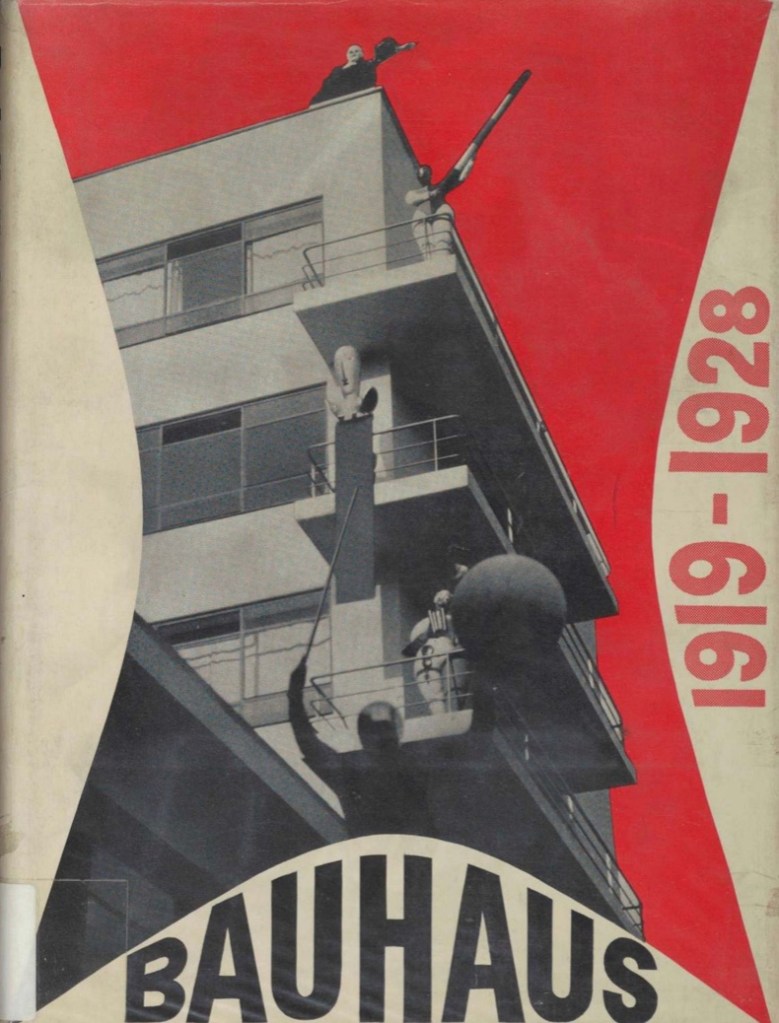
A1 self promotion poster research.

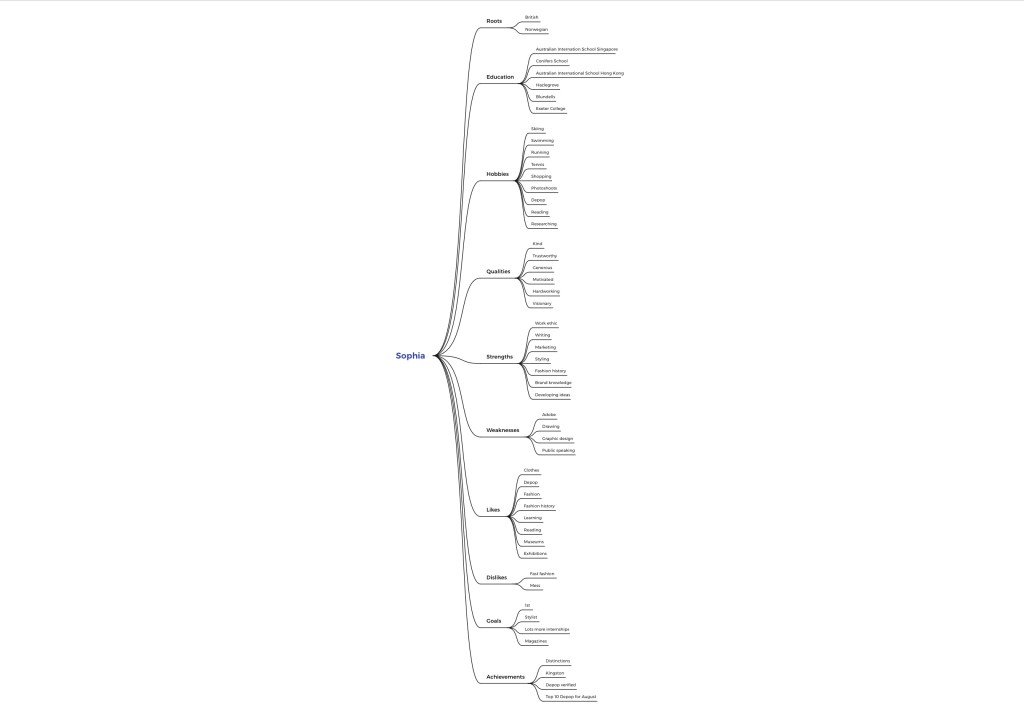
For this project on self-promotion, the aim is to produce a poster that focuses on yourself as a brand. By making this poster and the blog produced alongside it will help to give me a better understanding of my beliefs, achievement and aims over the next few years. It will also help me to develop my digital and graphic design skills. My first plan is to create a mind map focusing on myself as a person which should then help me develop my core values and lead onto the next phase.

My core values

  • Independence
  • Tolerance
  • Responsibility
  • Honesty
  • Originality
  • Knowledge
  • Vision
  • Trust
  • Collaboration
  • Working alone
  • Self-respect

Herbert Bayer

Herbert Bayer was an Austrian American graphic designer, painter, photographer, sculptor, art director, environmental and interior designer and architect. Bayer began his studies as an architect in 1919 in Darmstadt, he returned to the Bauhaus from 1925 to 1928 working as a teacher of advertising, design and typography integrating photography into a graphic composition. I came across Bayers work when visiting Berlin a few years ago, Some of the posters he had created inspired me and I decided to revisit them for this project.
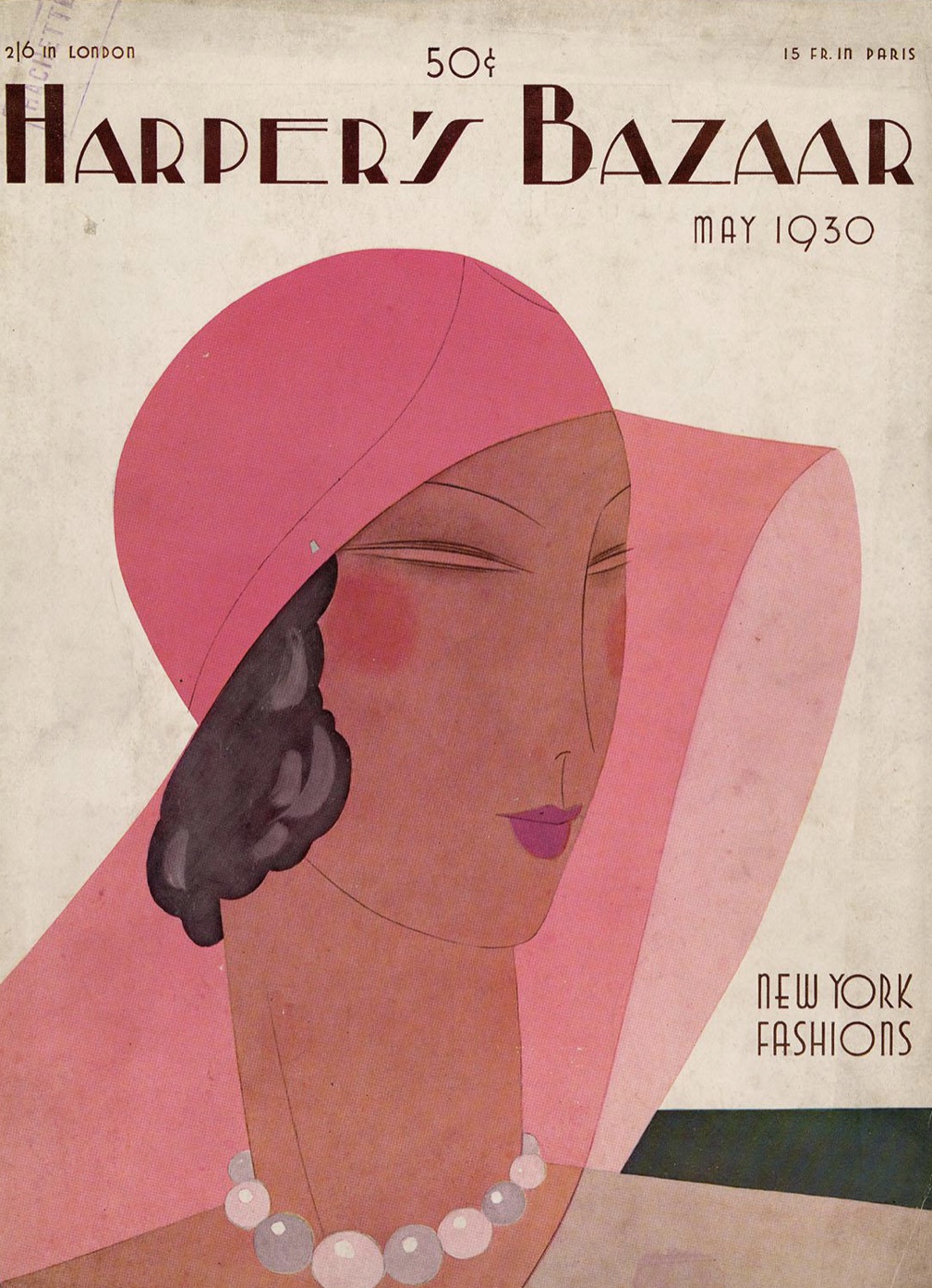
Harpers Bazaar

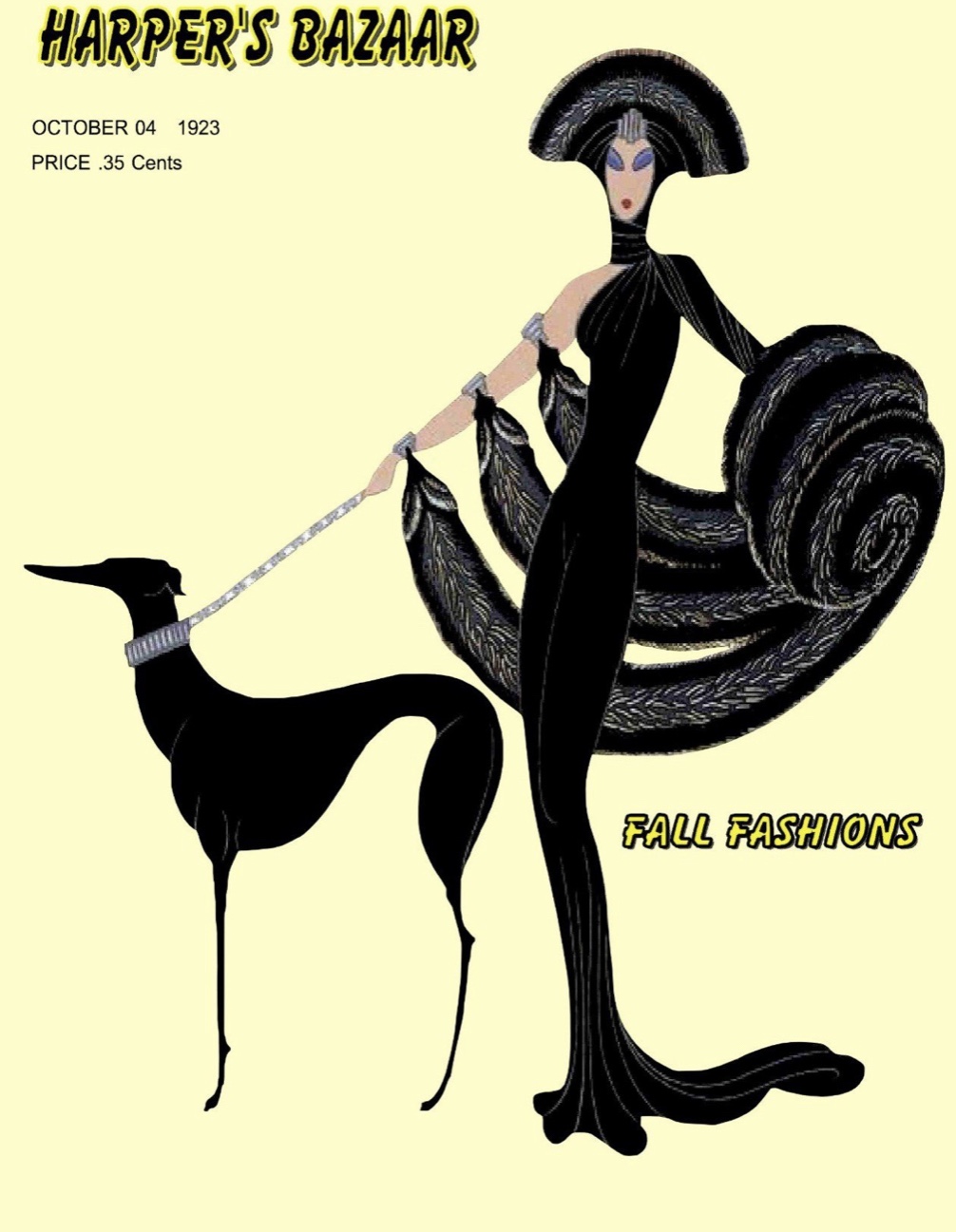
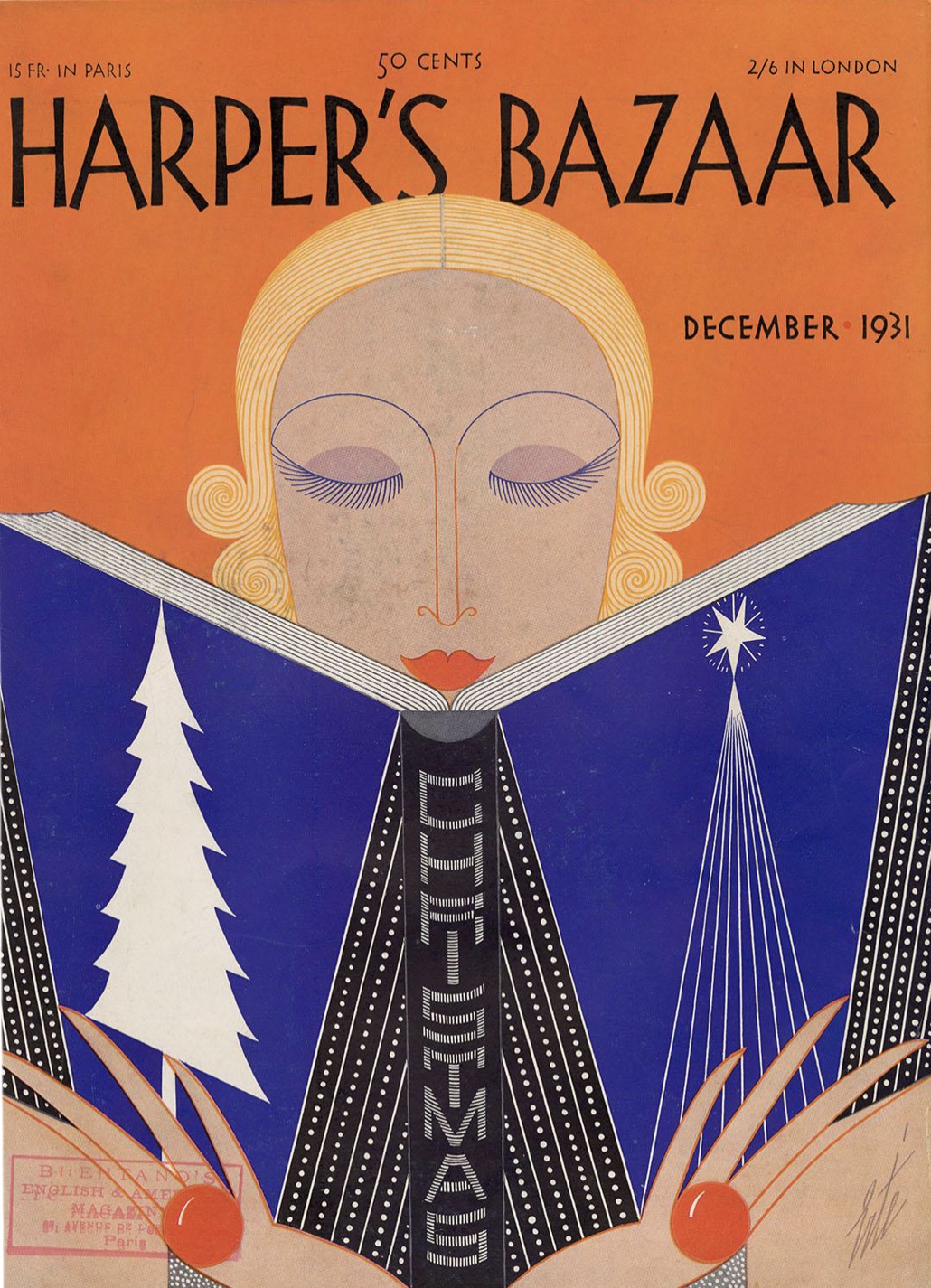
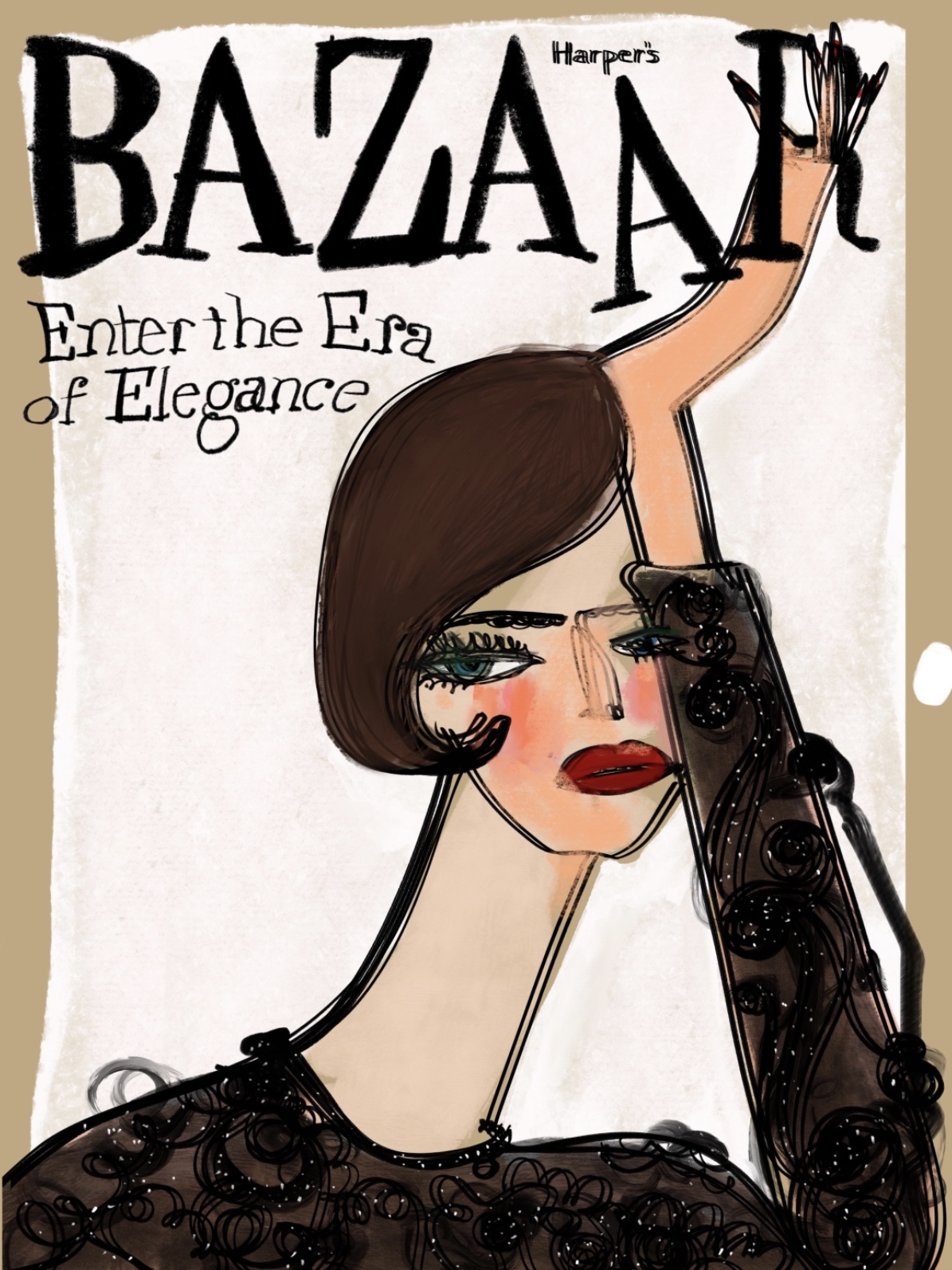
American monthly women’s fashion magazine first published on November 2nd 1867 as a weekly magazine. Harpers Bazaar was Americas first fashion magazine, the current Editor In Chief of the US edition is Samira Nasr. Harpers Bazaar is a legendary magazine with the likes of Richard Avedon who was a very loyal contributor, he began creating fashion portfolios for Harpers Bazaar in 1945 at 22 and continued until 1965. I have always loved looking at old magazine covers especially the Harpers Bazaar ones which you could always rely on them to have incredibly glamorous ladies adorned with beautiful clothing.

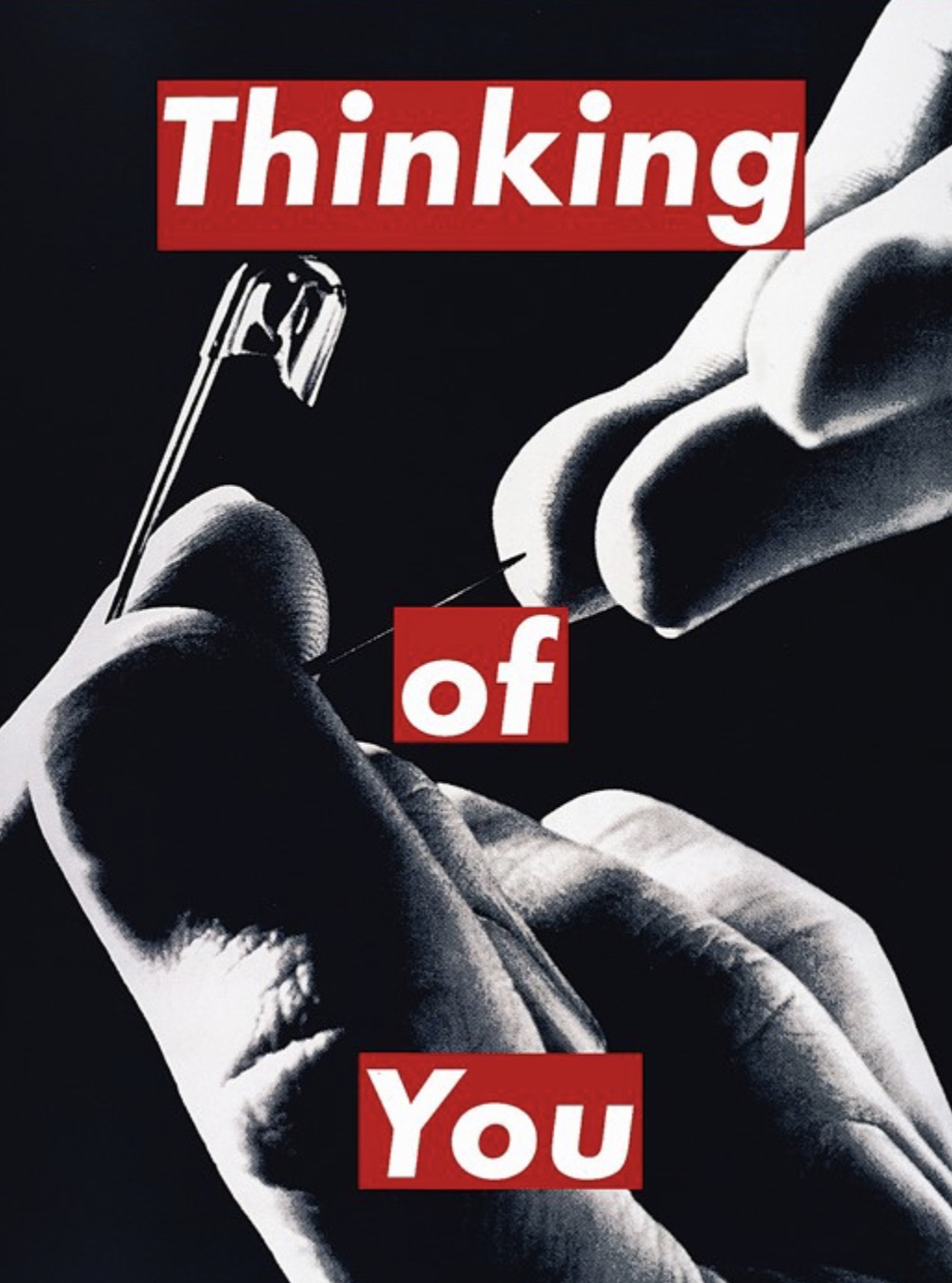
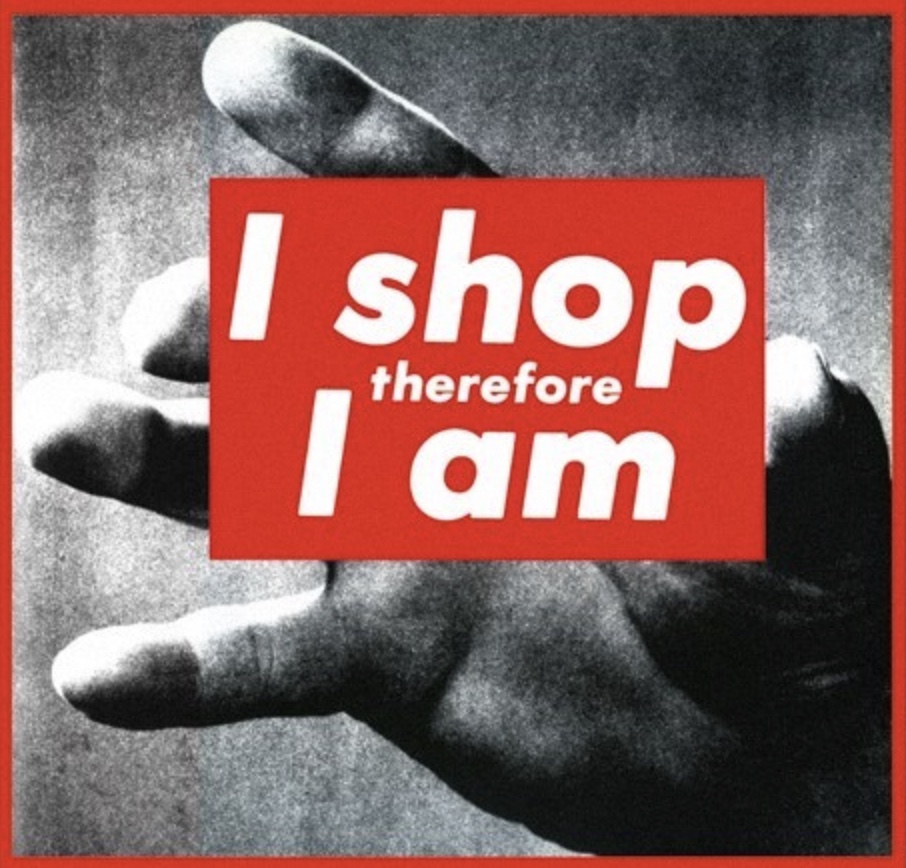
Barbara Kruger

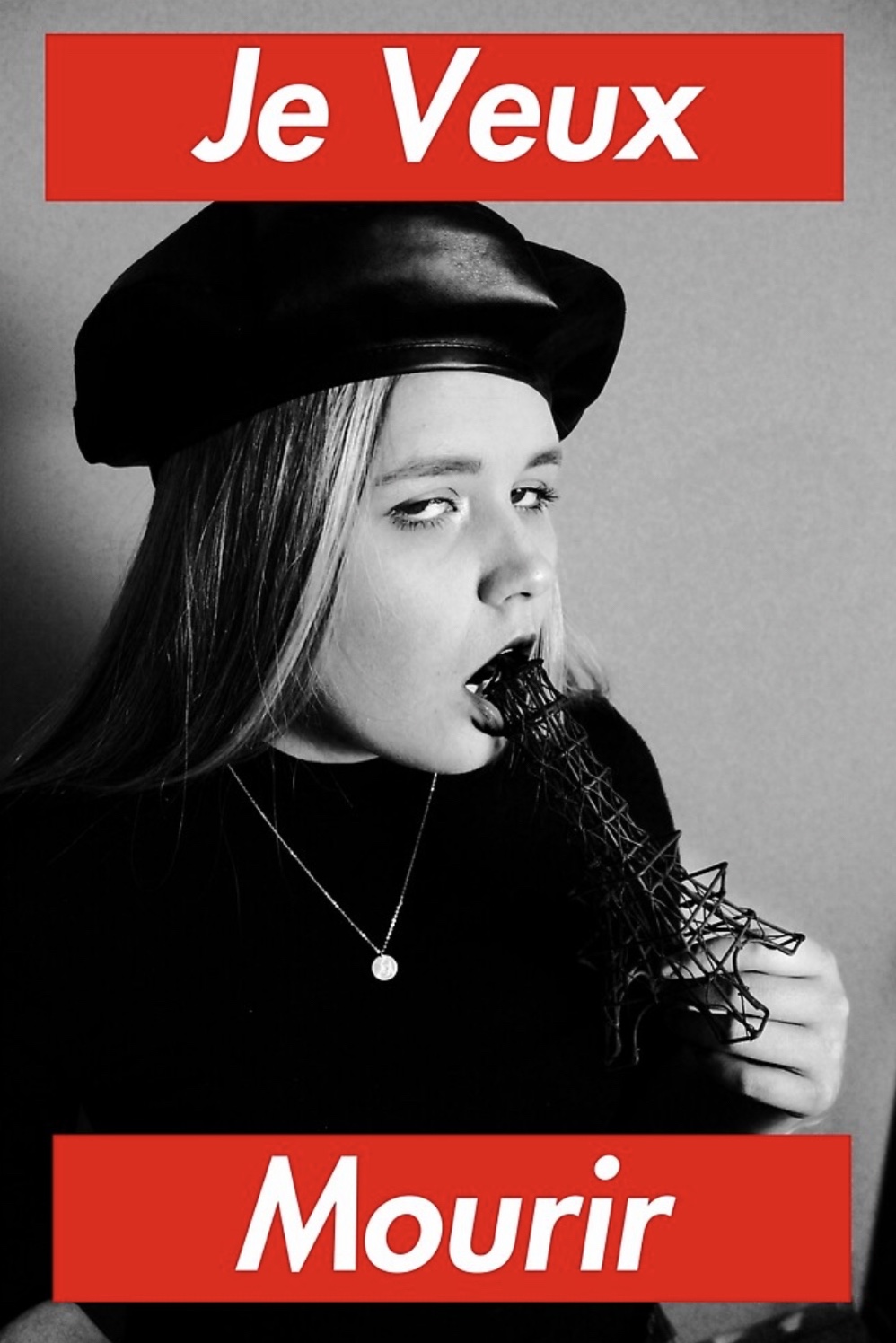
Barbara Kruger is an American conceptual artist and collagist associated with The Pictures Generation. she is most known for her collage style that consists of black and white photographs, overlaid with declarative captions, stated in white-on-red Futura bold oblique or Helvetica ultra condensed text. Her designs are powerful, balanced and have clarity to them. When researching Barbara, it then lead me to find out about Supreme…

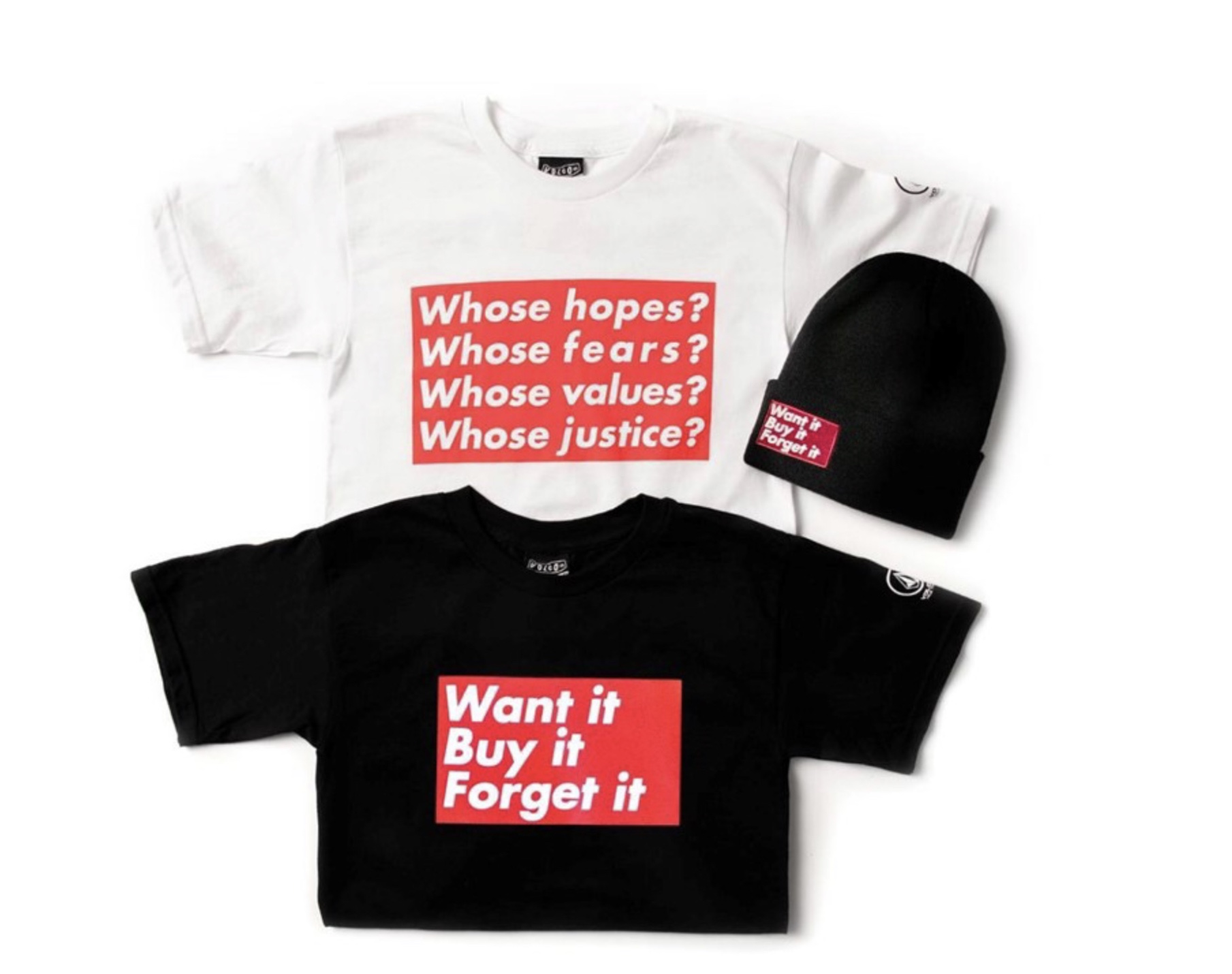
Supreme

When thinking of the most iconic logo branding, Supreme for me encompasses that. What I didn’t know was how Supreme blatantly copied Barbara Kruger to create their box logo. Copying is a form of flattery even if it can be infuriating… what Barbara did next created a ‘drop’ to imitate Supreme. By staging a fake drop collection Barbara was able to get revenge against the major streetwear brand. Supremes’ logo is great as like Barbaras’ art it stands out, the font is easy to read and instantly recognisable which is what they want to achieve at the end of the day.

Rick Owens

Rick Owens’s Fall 2021 Ready-To-Wear show was held at his Venice Lido, again without an audeience. Rick has adapted well to the pandemic, his shows with only his team present are intimate but no less powerful than before. The models each wearing masks, if not to remind you we are still in a pandemic! For me the show felt dark, mysterious, otherworldly and showcased Rick at his best. The sea splashing violently against the rocks, the bleak overcast day all added to the atmospehere and mood of the show. Time after time the models strutted fiercely down the runway showcasing their futuristic looks which each encapsulated the brand to the fullest. This show has to be one of my favourite of his, unfortunately, I don’t have my own lido to recreate the fabulous location… but there are aspects I will pull to inspire my piece at the end.

Typography

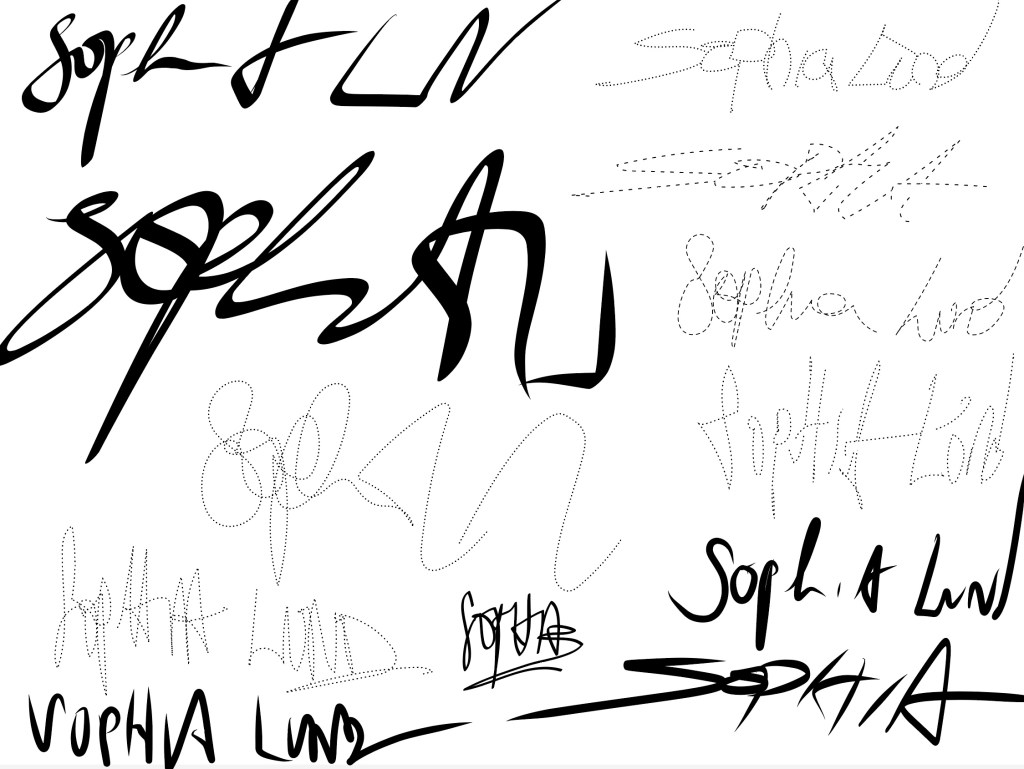
For the typography part of this project, I have accumulated multiple books from the library on typography and I am going to draw some photos from them for inspiration. I want to create a font that encapsulates Sophia like a person and a brand, and for this to be easily communicated. I want to include just my name on the poster, for the text to be bold, dramatic and to stand out.

Typography development

Here I was having a go on my iPad using Illustrator to see what fonts I could come up with. I tried using different pens to switch it up… My favourite is the bottom left. I feel it is quite funky and I like the boldness of it, also it is still eligible!

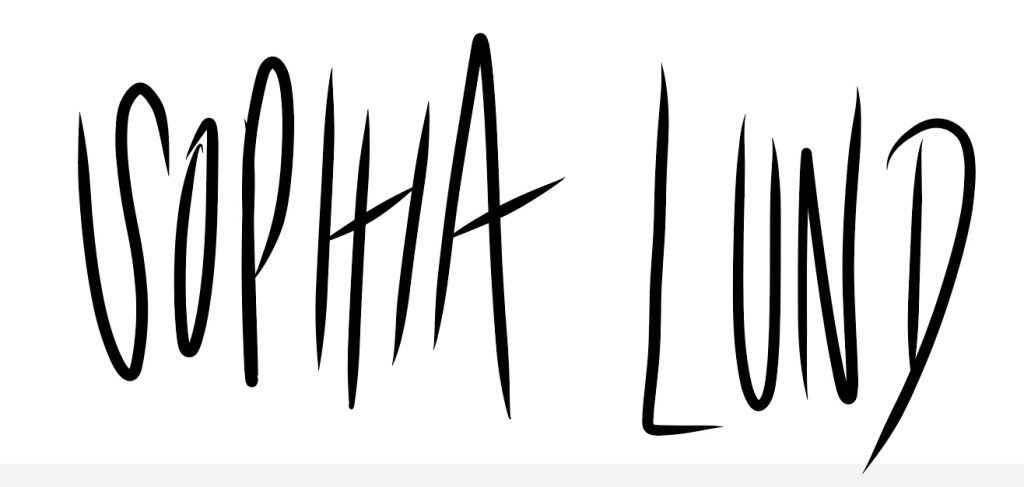
My chosen font

This turned out to be my favourite font… I like how it’s quite messy, bold but still eligible. I think it would look great blown up on my final poster… Maybe even in red or a different colour?

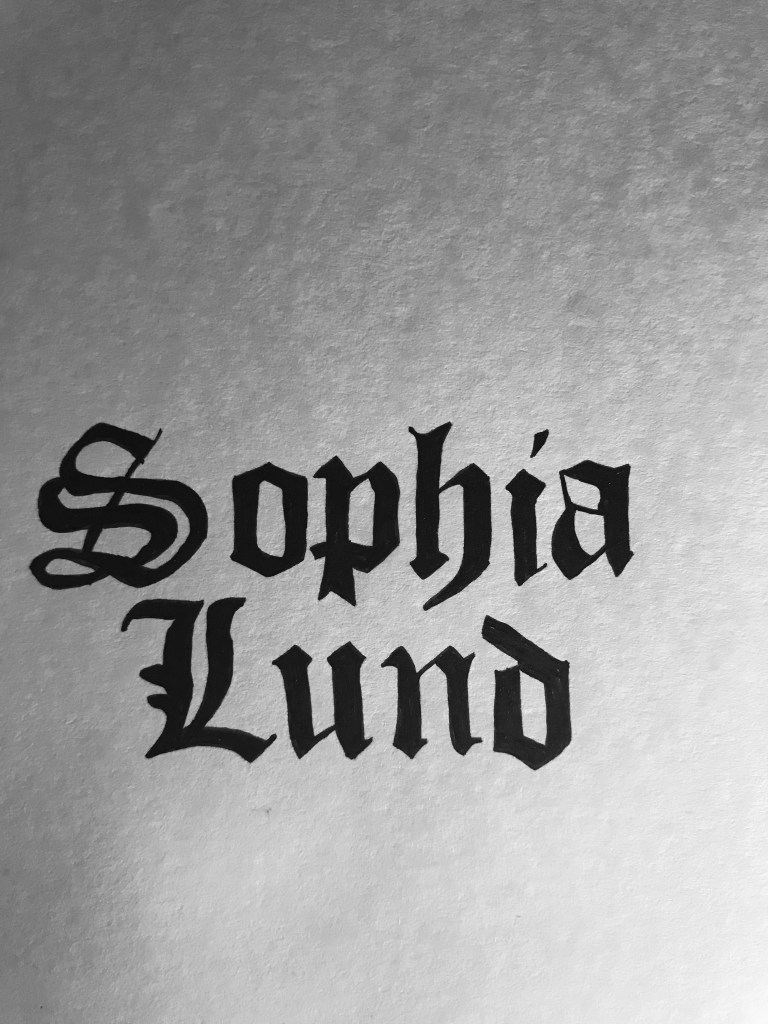
My Logo

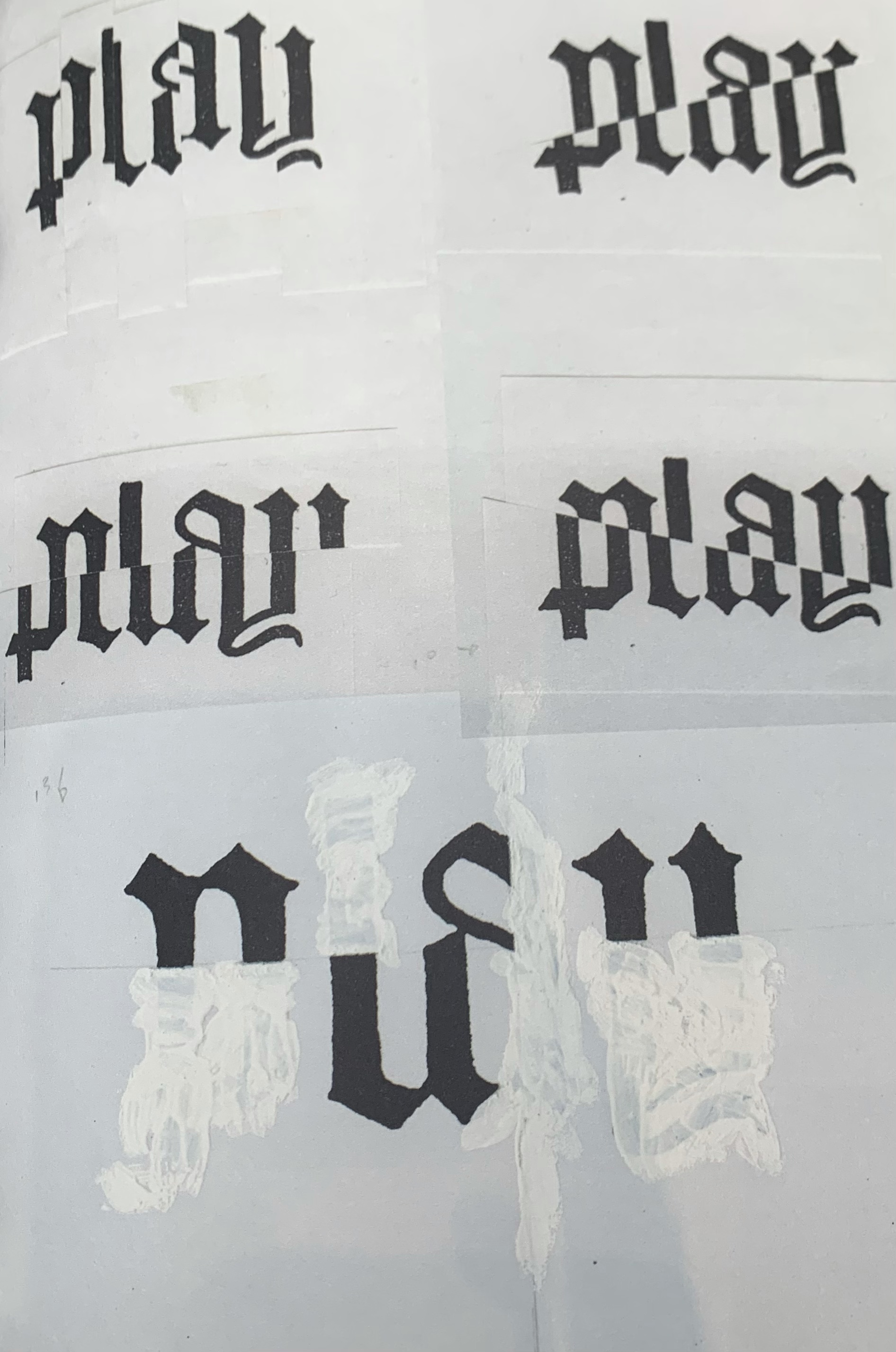
With owning my shop I have already created my logo that best represents the clothing I sell and the aesthetic surrounding it. When I created my logo I drew inspiration from gothic literature, reading a lot of Dracula and other historic novels. The clothing I sell is very eclectic vintage designer pieces, but there were a predominant amount of corsets and more ‘gothic’ pieces hence where I drew my inspiration from. After practising out lots of different fonts, I decided on this one which is now featured as my logo but also on stickers, business cards and tote bags.

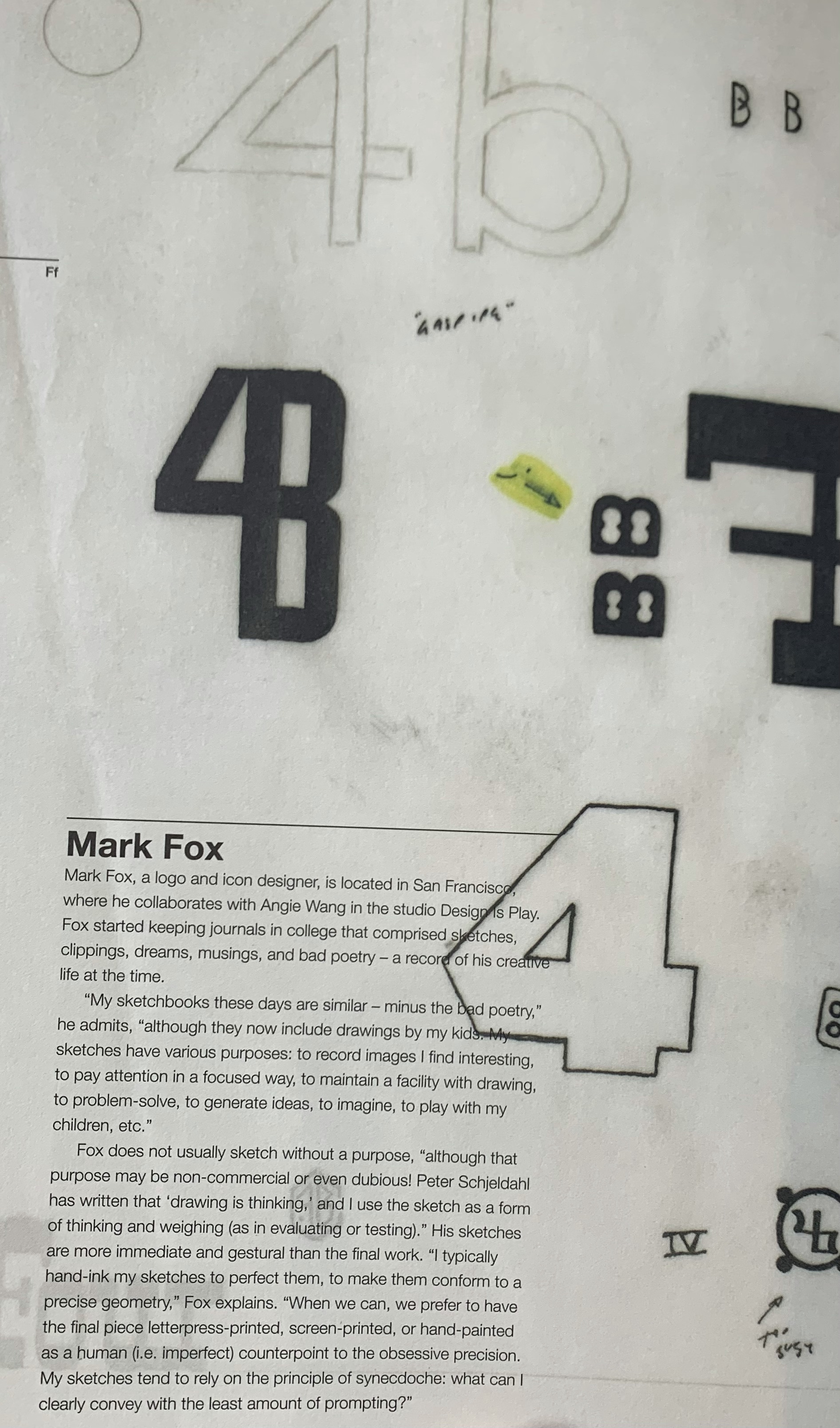
My original drawing of my logo.

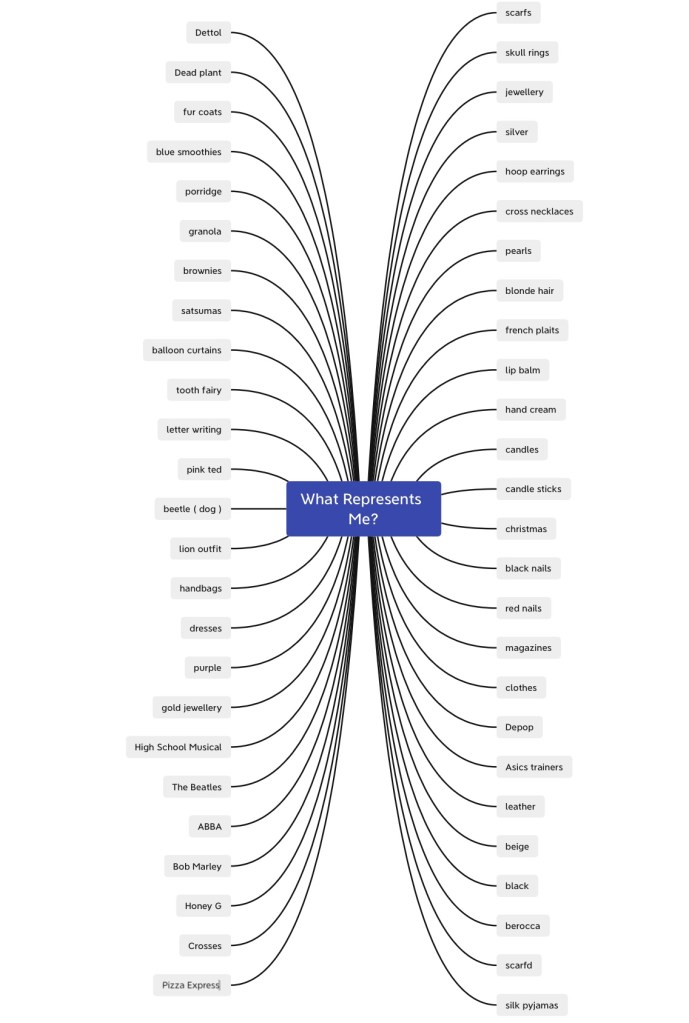
What represents me

What influences me?

Designers

  • Rick Owens
  • Ann Demeulemeester
  • Martin Margiela
  • Alexander McQueen
  • Shaun Leane
  • Sacai
  • Dilara Findikoglu
  • Ding Yun Zhang
  • Frederic Molenac
  • Harris Reed
  • Fecal Matter
  • Paula Mihovilovic Einfalt
  • Helmut Lang
  • A.F. Vandervorst
  • Comme Des Garçons
  • Junya Watanabe
  • Yohji Yamamoto
  • Gosha Rubchinckiy
  • Maison Mihara Yasuhiro
  • Hiroko Koshino

Stylists

  • Isabella Blow
  • Katy England
  • Jess Grimshaw
  • Betsy Johnson
  • Lucinda Chambers
  • Robbie Spencer
  • Millie Foster Price
  • Kate Young
  • Lotta Volkova
  • Mimi Del Rey

Photographers

  • Nick Knight
  • Helmut Newton
  • Mario Testino
  • Richard Avedon
  • Peter Lindbergh
  • Steven Meisel
  • Bruce Weber
  • Tim Walker
  • Patrik Demarchelier

I find inspiration in several areas within the fashion industry. Inspiration can come out of nowhere, I feel it very important to feed my brain with ideas that can contribute towards my vision. Inspiration should never be a challenge. If for some reason I feel lost or out of ideas; Searching through Instagram, reading a book, watching a film or scrolling through Pinterest are the best ways to immerse myself in creativity however relevant it may be in the end. For my poster I want it to be based around my love for styling… to have a single model wearing one of my favourite outfits I have collected. This will help portray ‘Sophia Lund’ in the strongest, most genuine way.

Inspiration from film

My favourite film of all time is the McQueen film, released on the 22nd April 2018. McQueen is a biographical documentary film centred around the life and career of Alexander McQueen. Directed by Ian Bonhôte and co-directed and written by Peter Ettedgui. Alexander McQueen was the first designer I discovered years ago and what got me into fashion. This documentary I find so inspiring I end up watching it most weeks as I feel I learn more and more every time I watch it. He was a genius so ahead of his time, so inspirational to me and many others. The film was produced so well and it tells such a beautiful story.

Exhibition inspiration

Idea 1 – To create a collage with all of the objects from my mind map that represents me. This way it will keep my poster very personal and relevant to the theme of myself and my core values. I could then add in the text on top of the image my core values? Or I could even just write “ Objects that represent me” on top of the images.

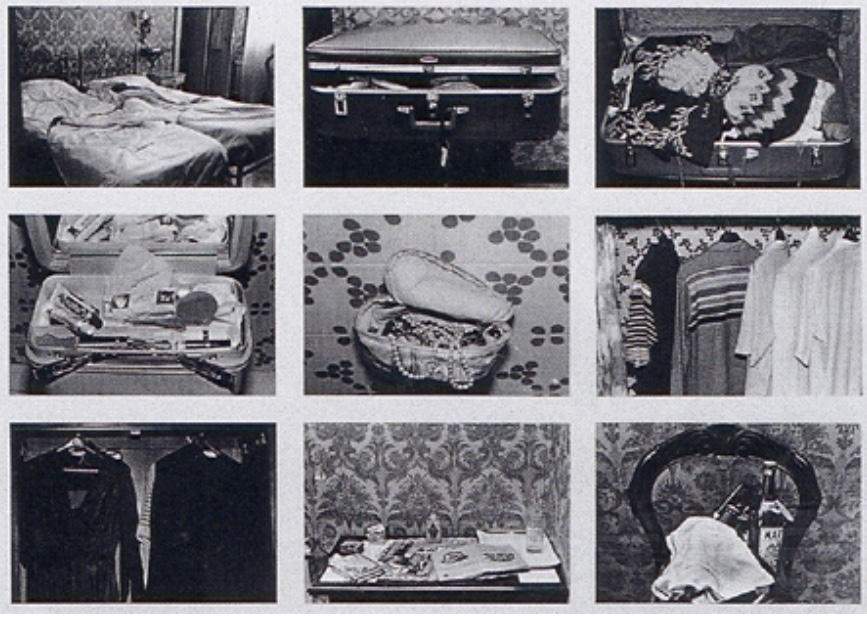
Idea 2 – For my second idea, I came across some photographs by an artist named Sophie Calle. “The Sleepers” 1979 are a series of 9 images of her friends and strangers sleeping in her bed. Accompanied by text describing each “sleeping session.” I could do a collage of 9 of my favourite things that best represent me as a person, then arrange the photos in a similar way as a block of 9. I love the vintage feel to the images and feel I could create something similar.

The Sleepers 1979

Idea 3 – To create a world from my styling photos. My love for fashion began with styling, so I feel it is vital that this is reflected in my work. I could create a collage of some of my favourite looks I have created for photoshoots and collage them together to create a world. Then using my typography text I could add in text of my core values perhaps what I feel represents me as a person best to also help explain the reasoning behind my poster.

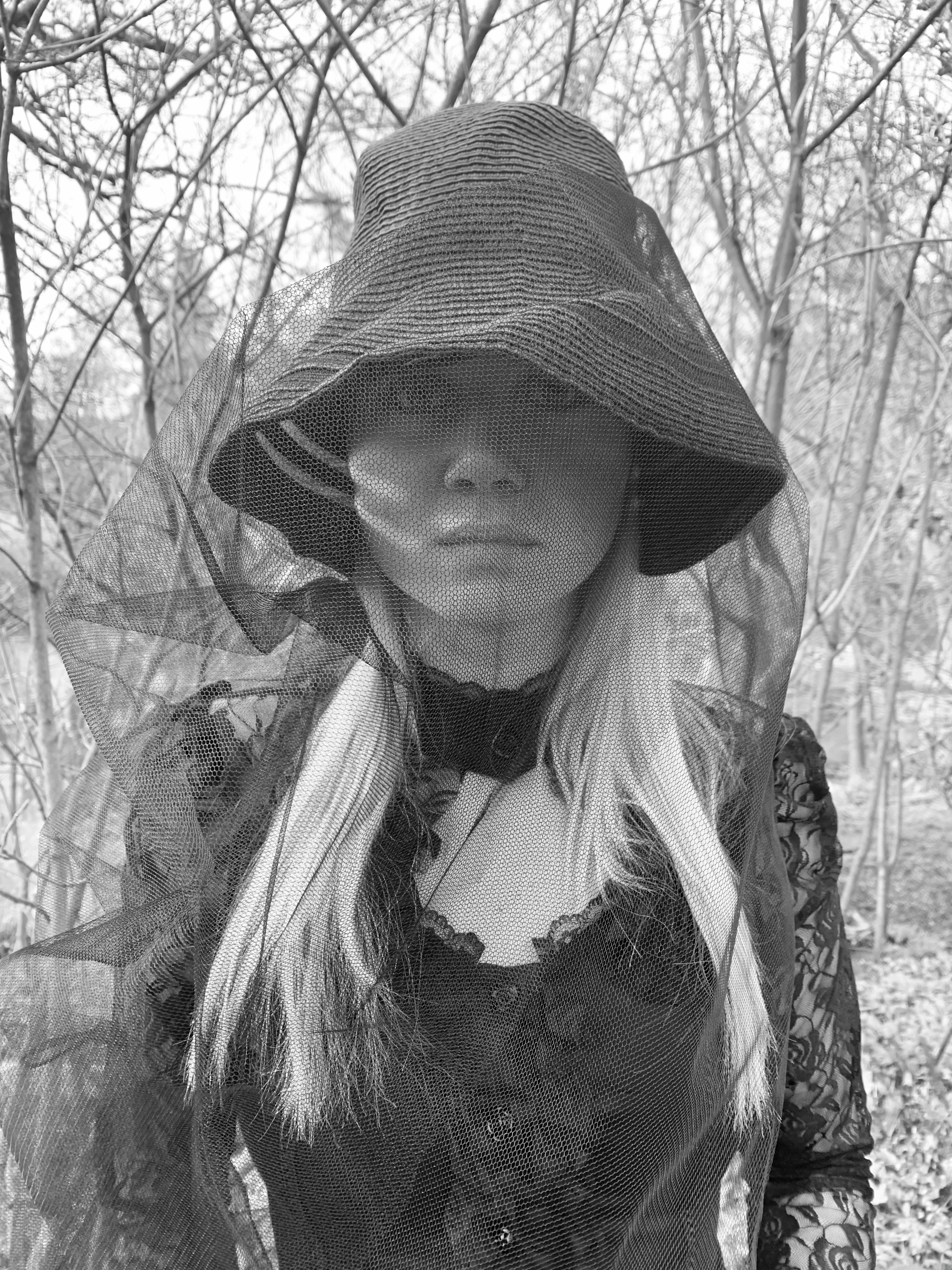
Idea 4 – To hire out the photography studio and shoot a single model. I thought of hiding her face or putting something over her face so it is left unseen and I could create a feeling of mystery… who is Sophia Lund? I like this idea the best as I am incorporating styling and I have complete creative control over a single person. I feel the image could turn out to be quite striking and then I can edit and play around with my poster ideas.

Photoshoot Moodboard

For my poster, I want to keep it simple yet striking. To keep the focus on the model who will be in the centre, I will then have my new logo in a corner blown up. I want the styling and image I have created to represent myself, my style and my aesthetic… Hopefully, I can encapsulate that to the best ability in my photoshoot.

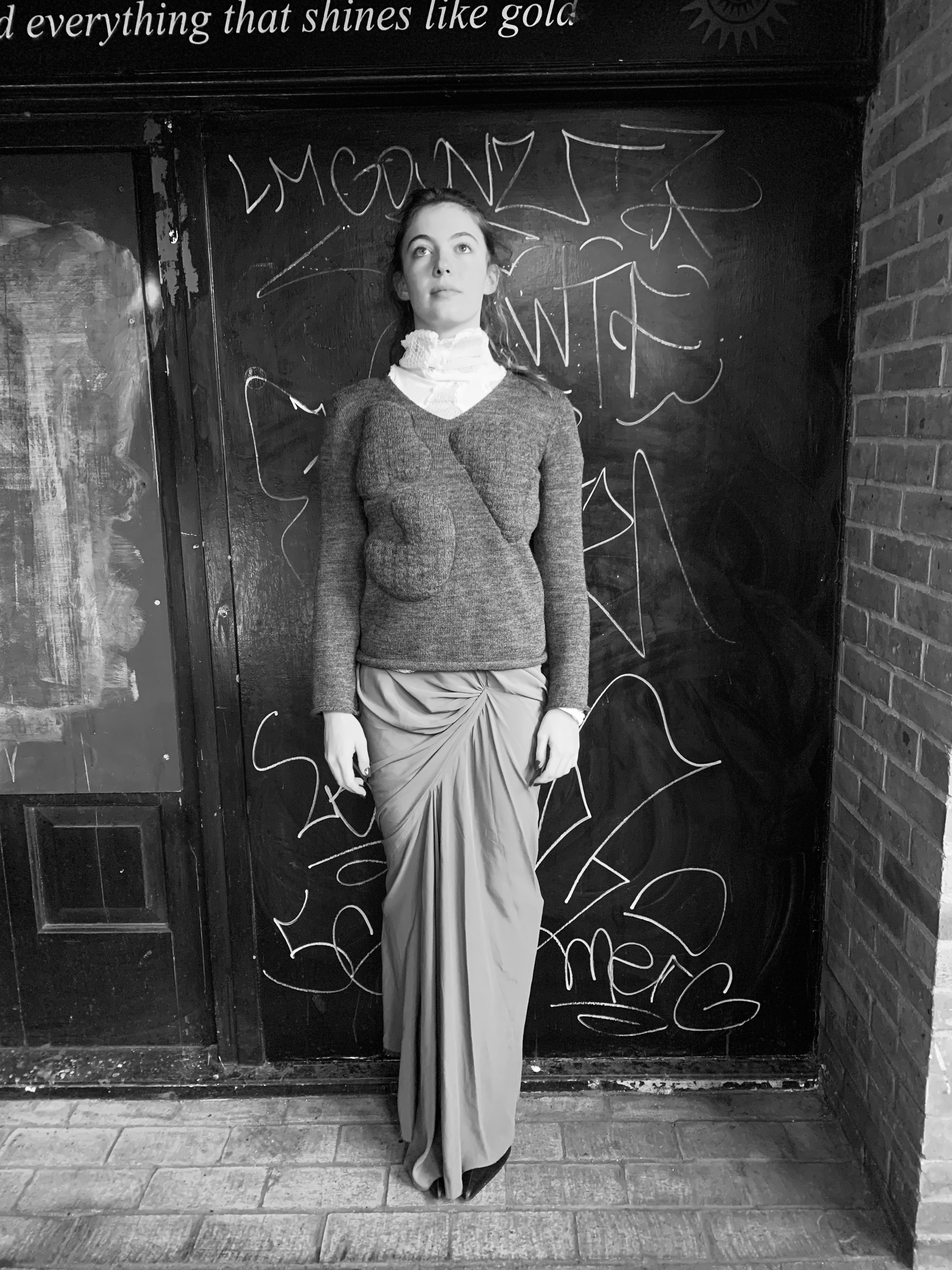
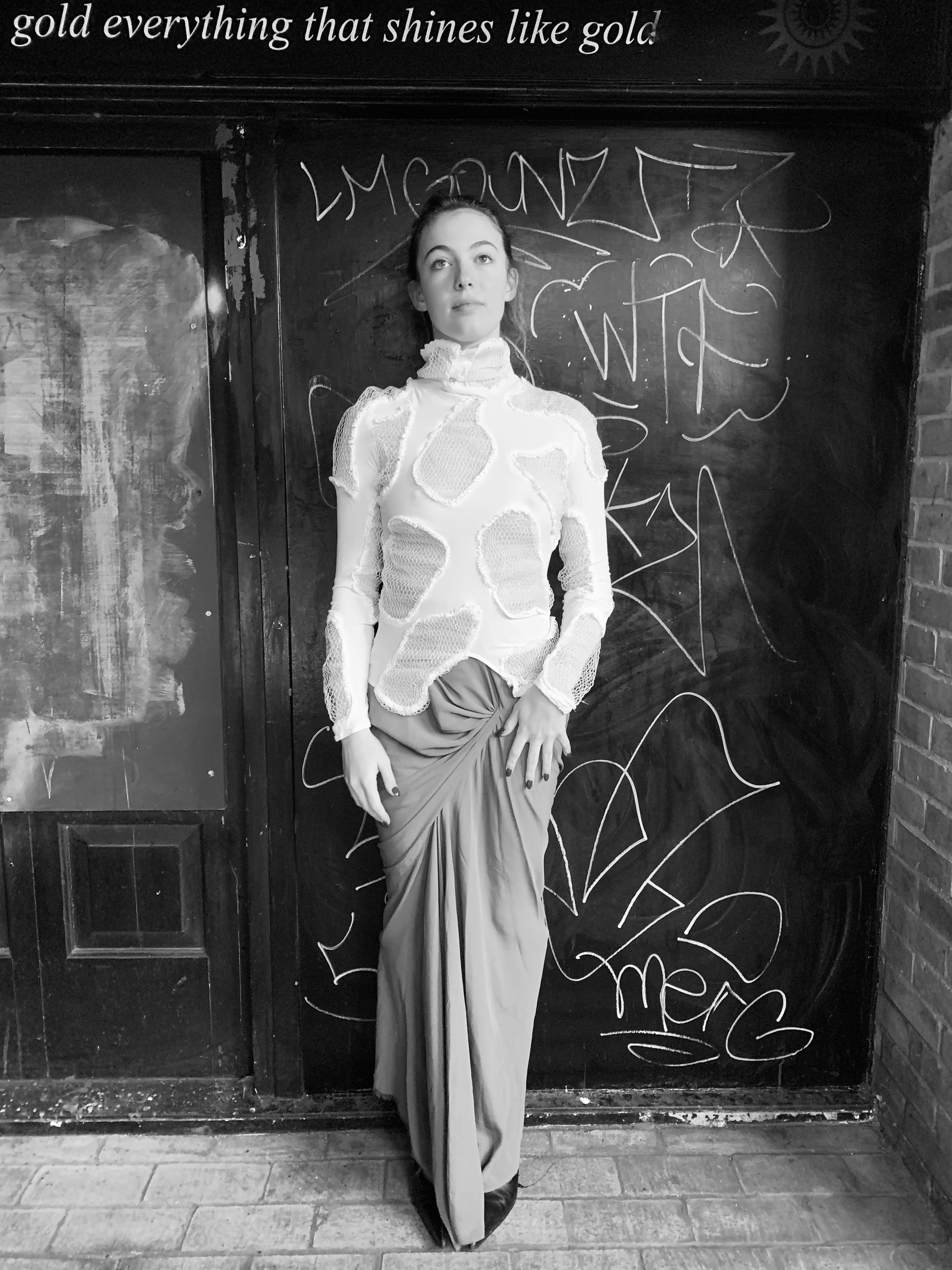
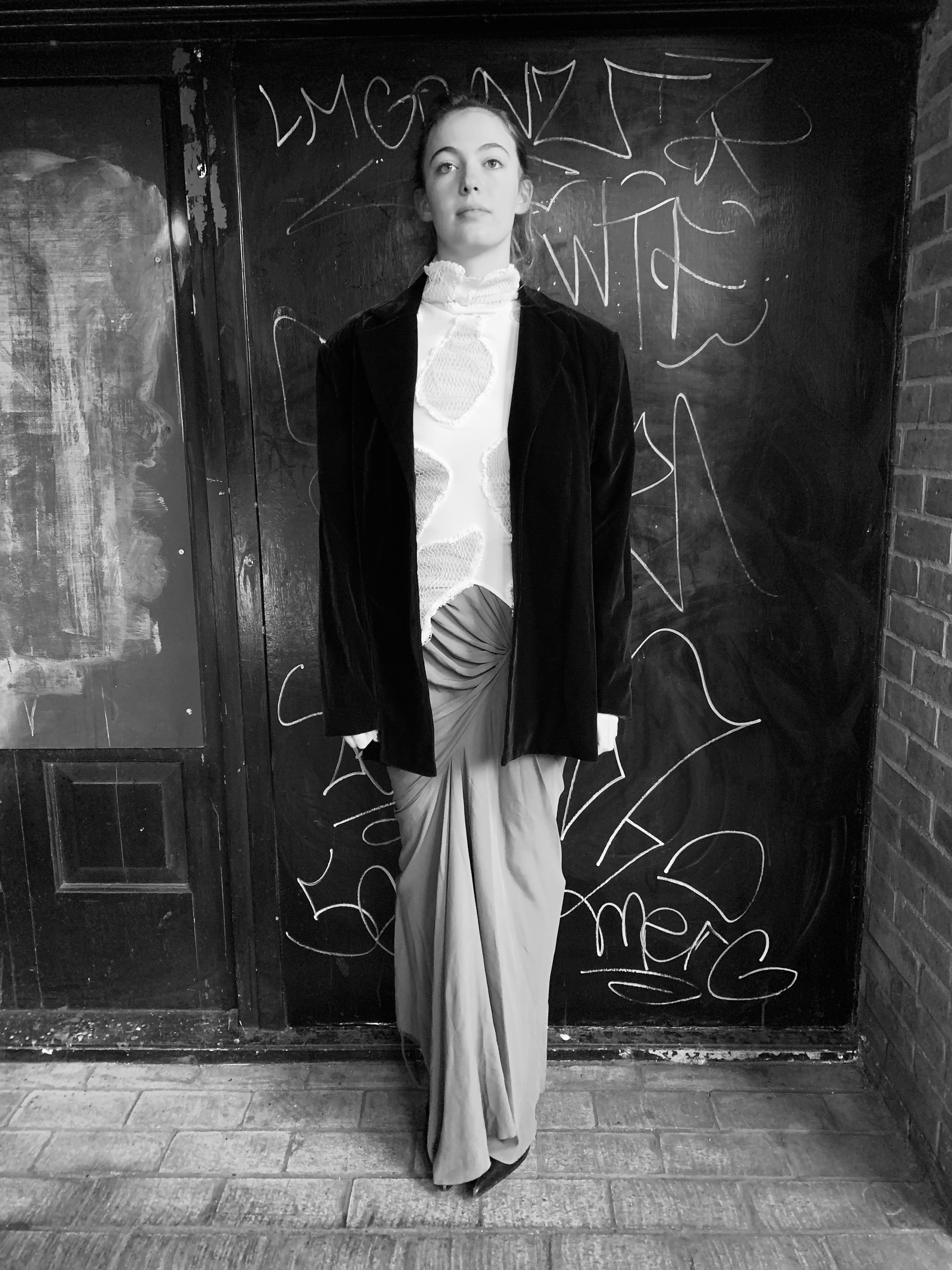
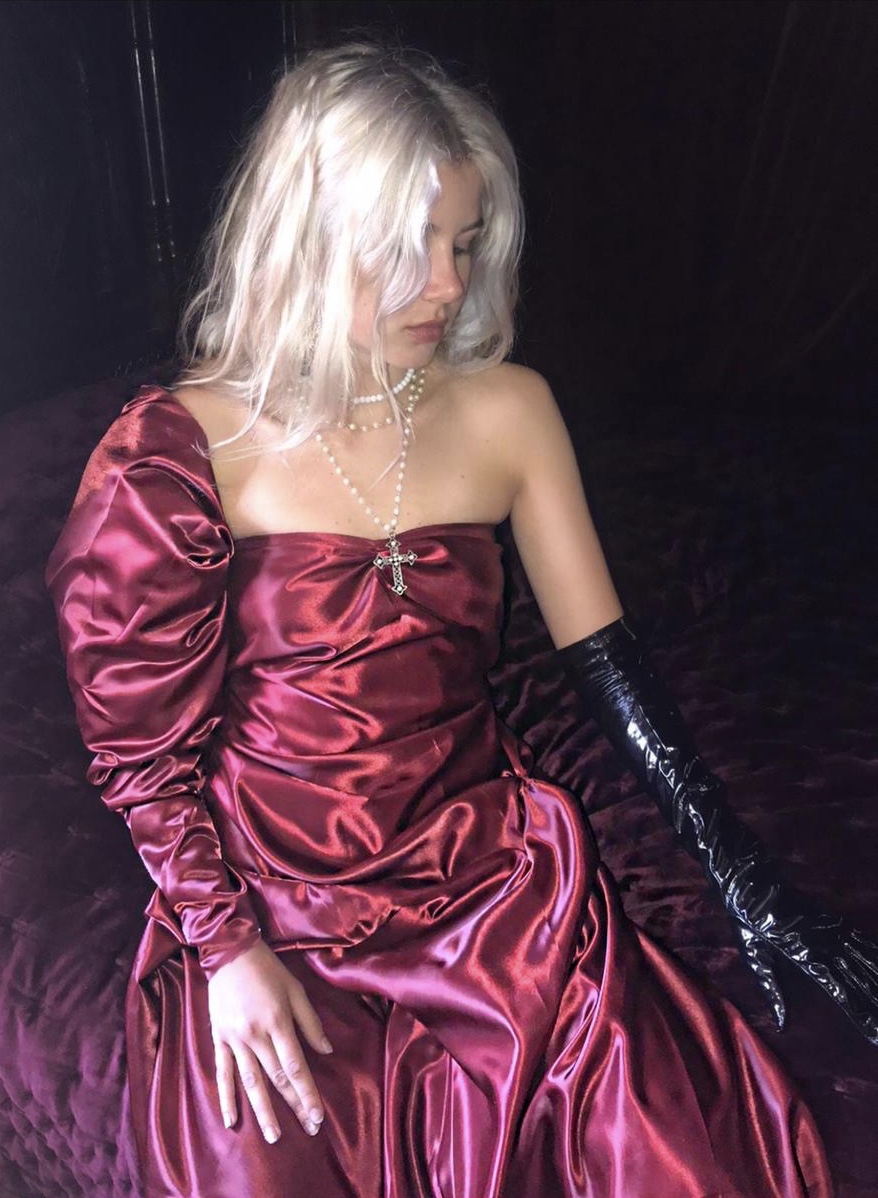
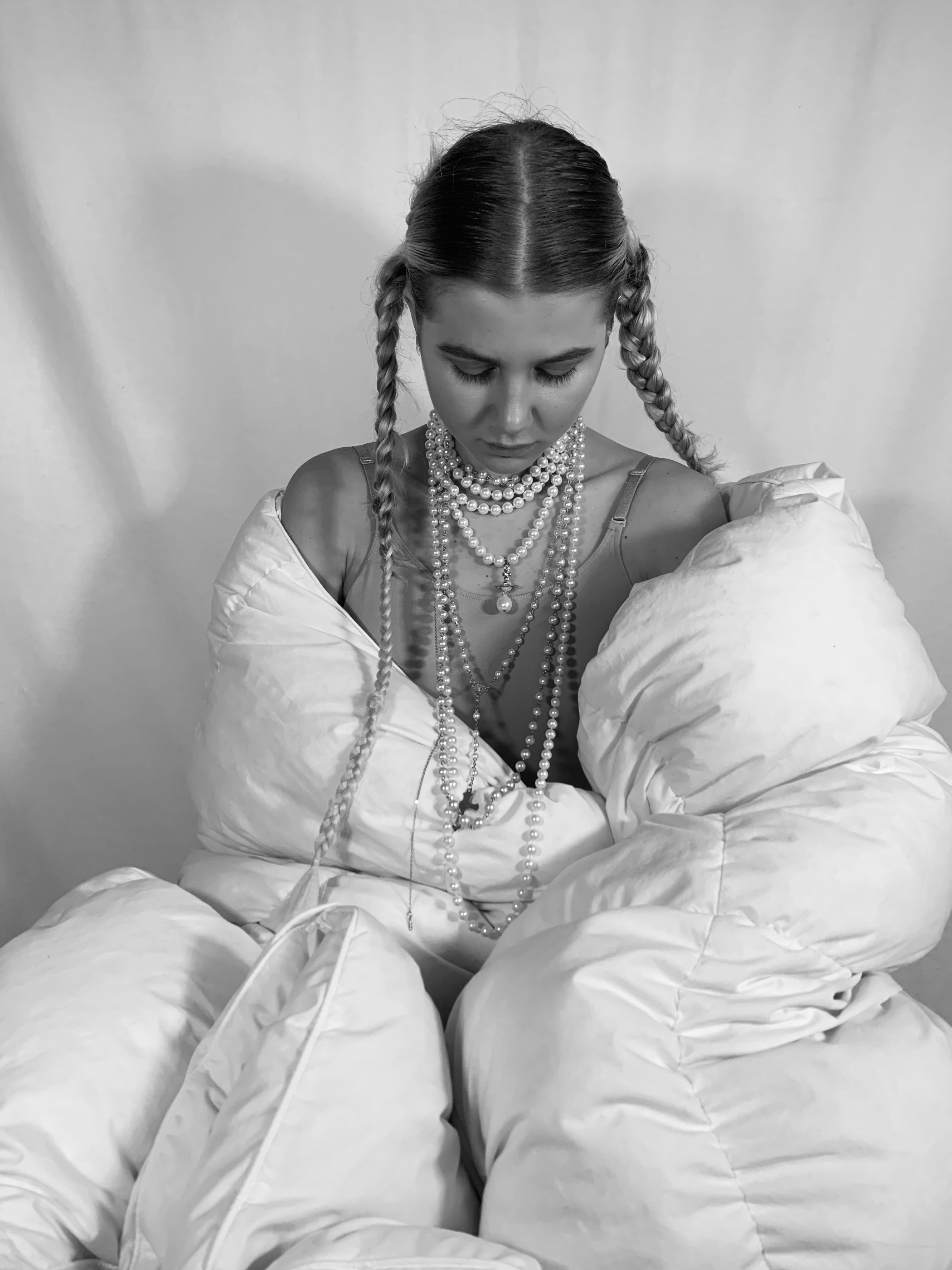
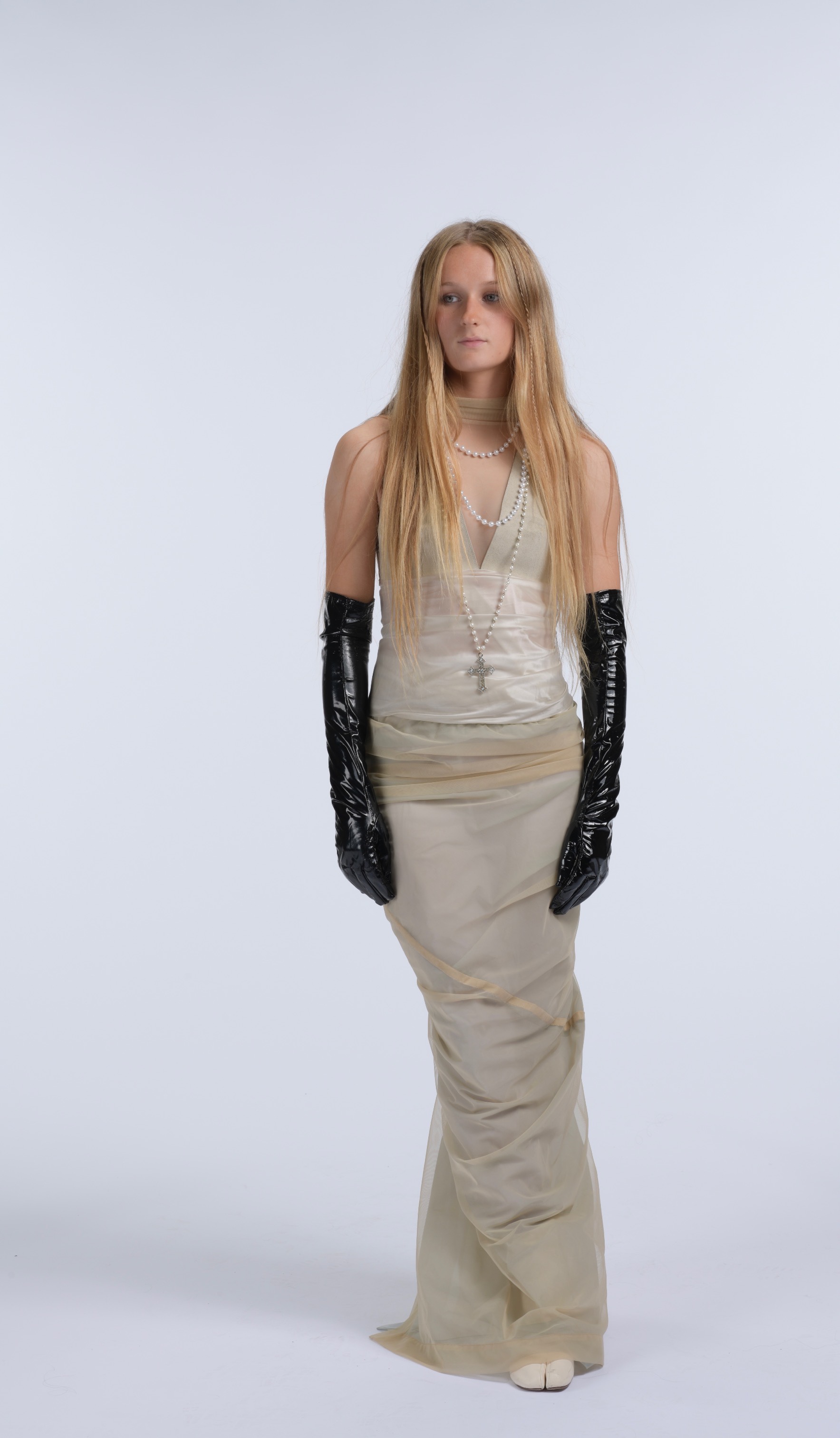
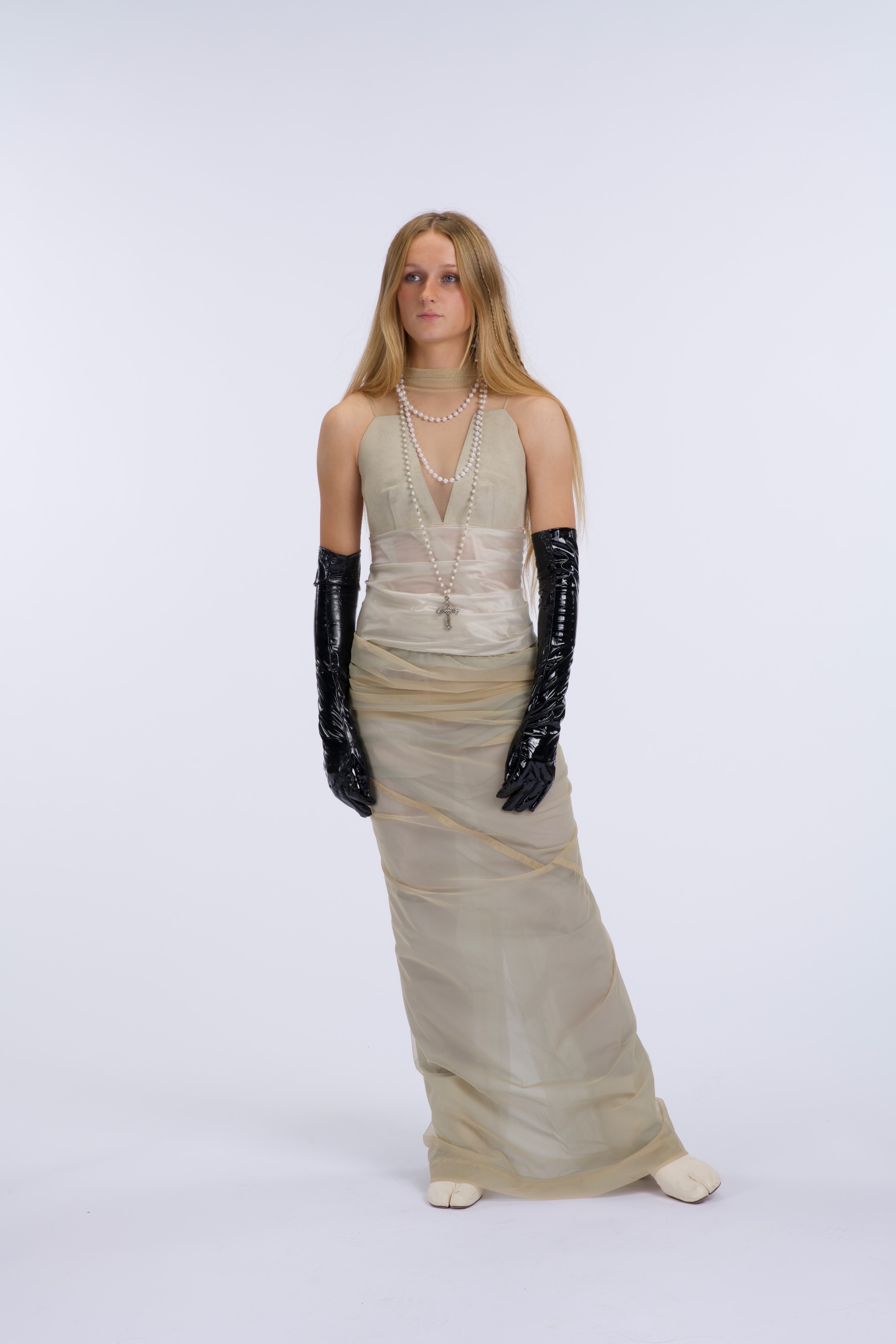
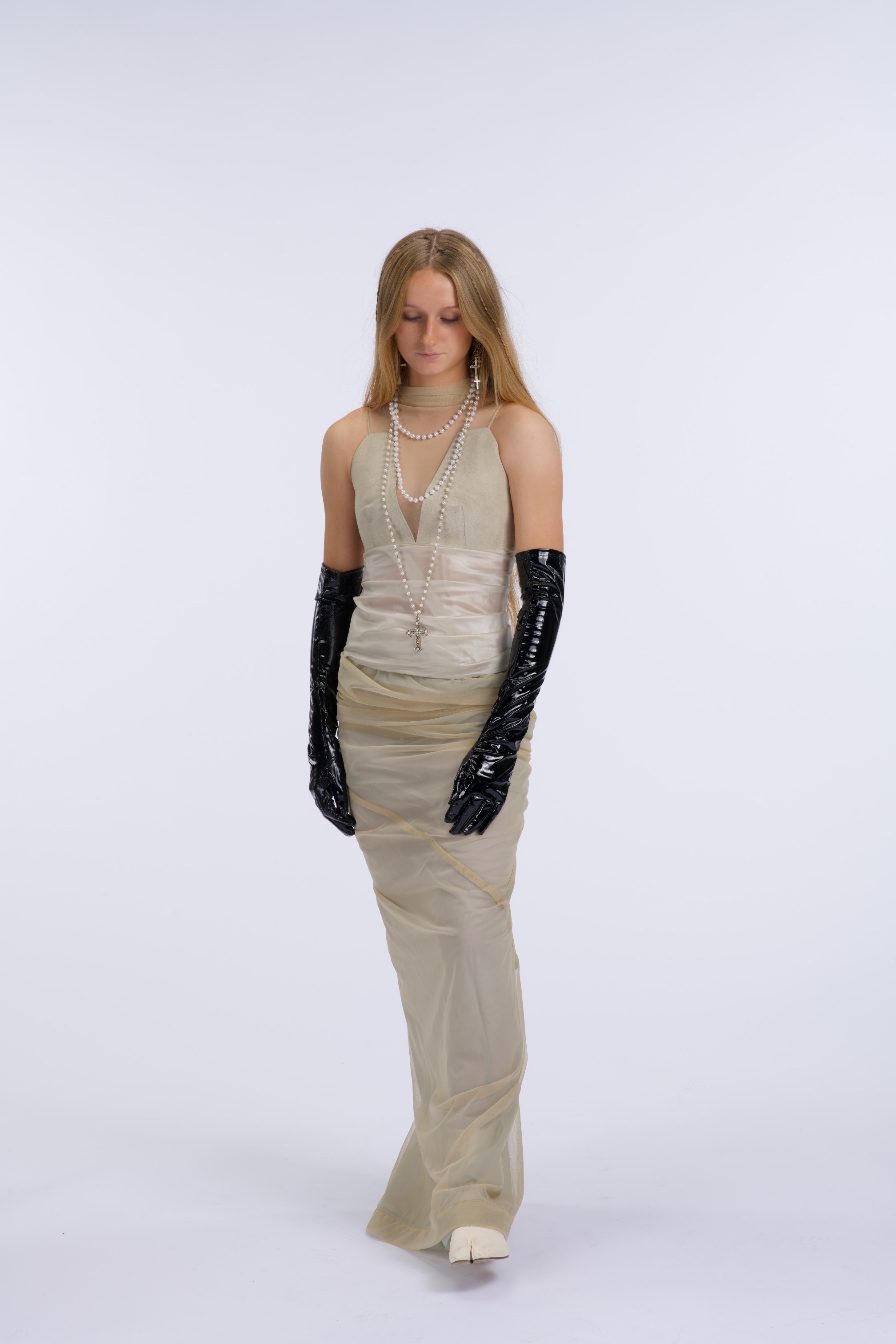
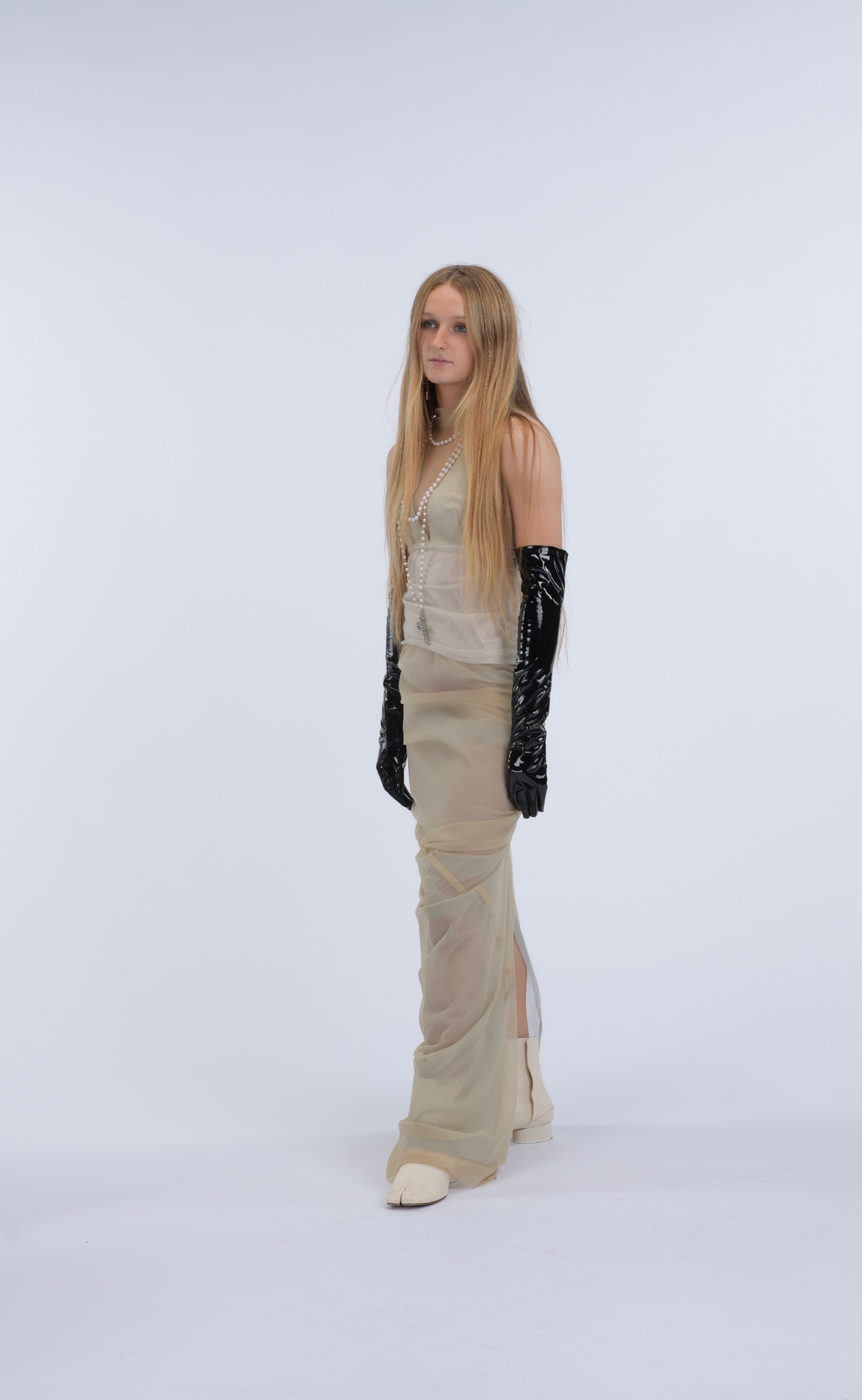
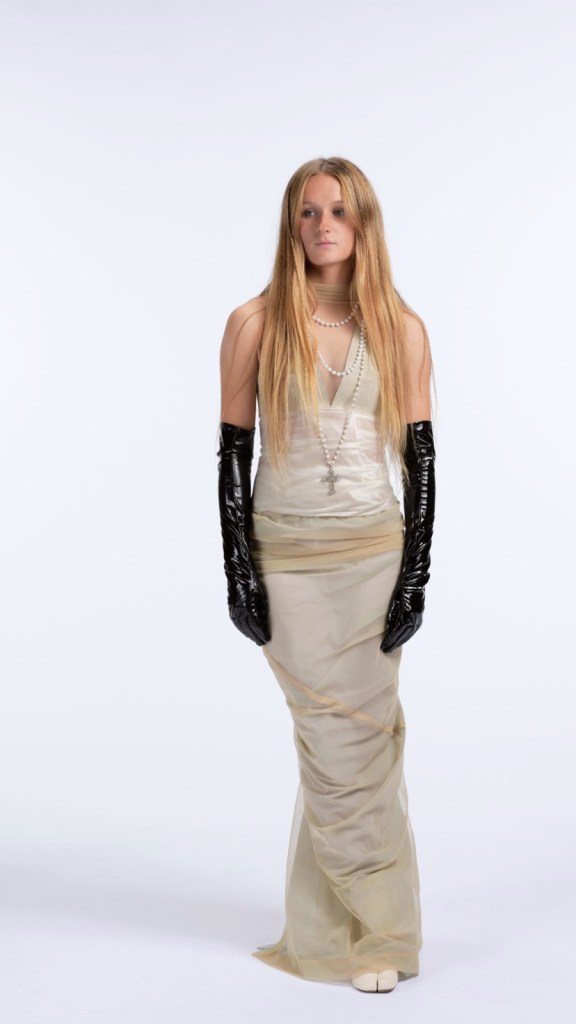
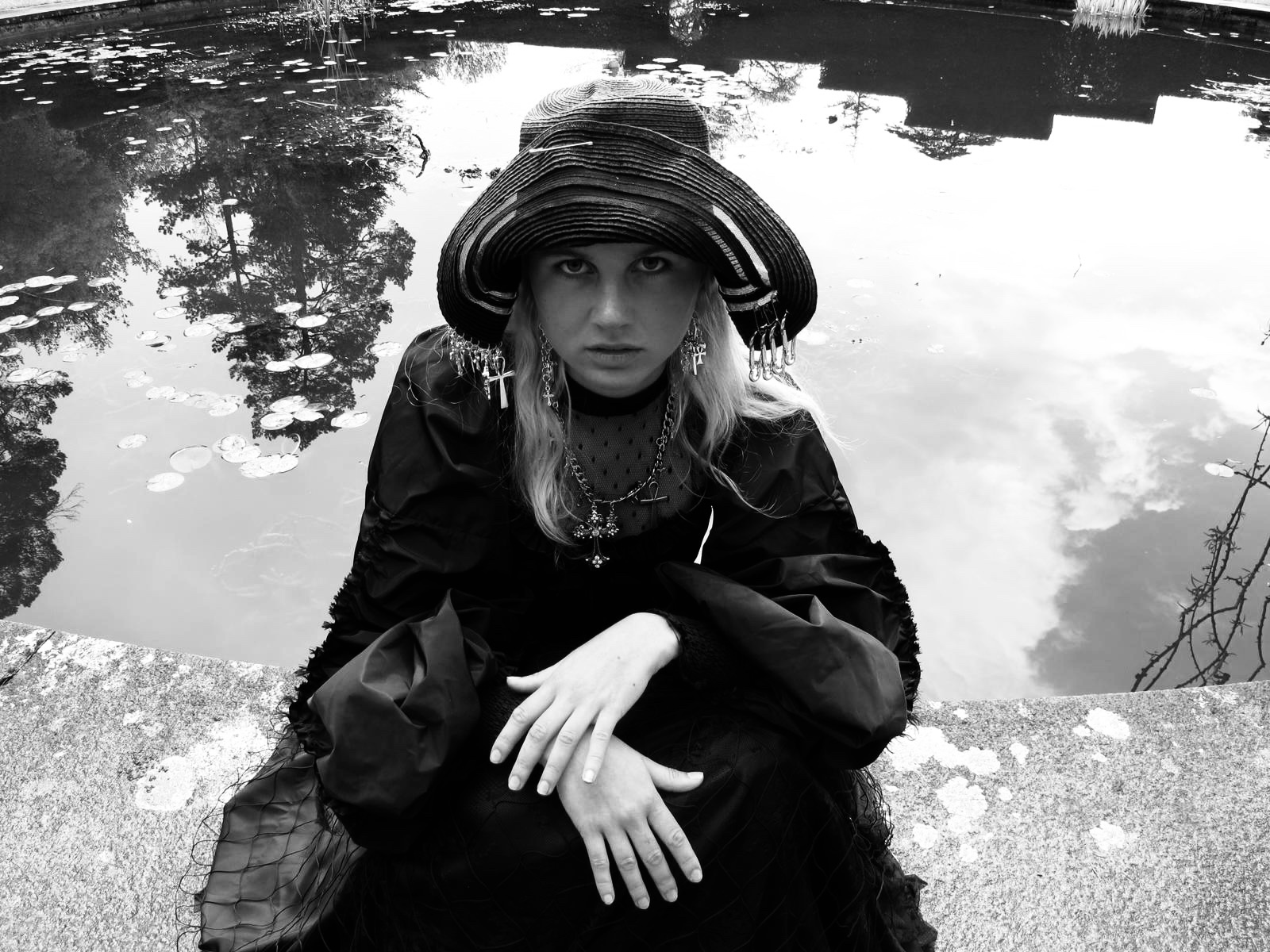
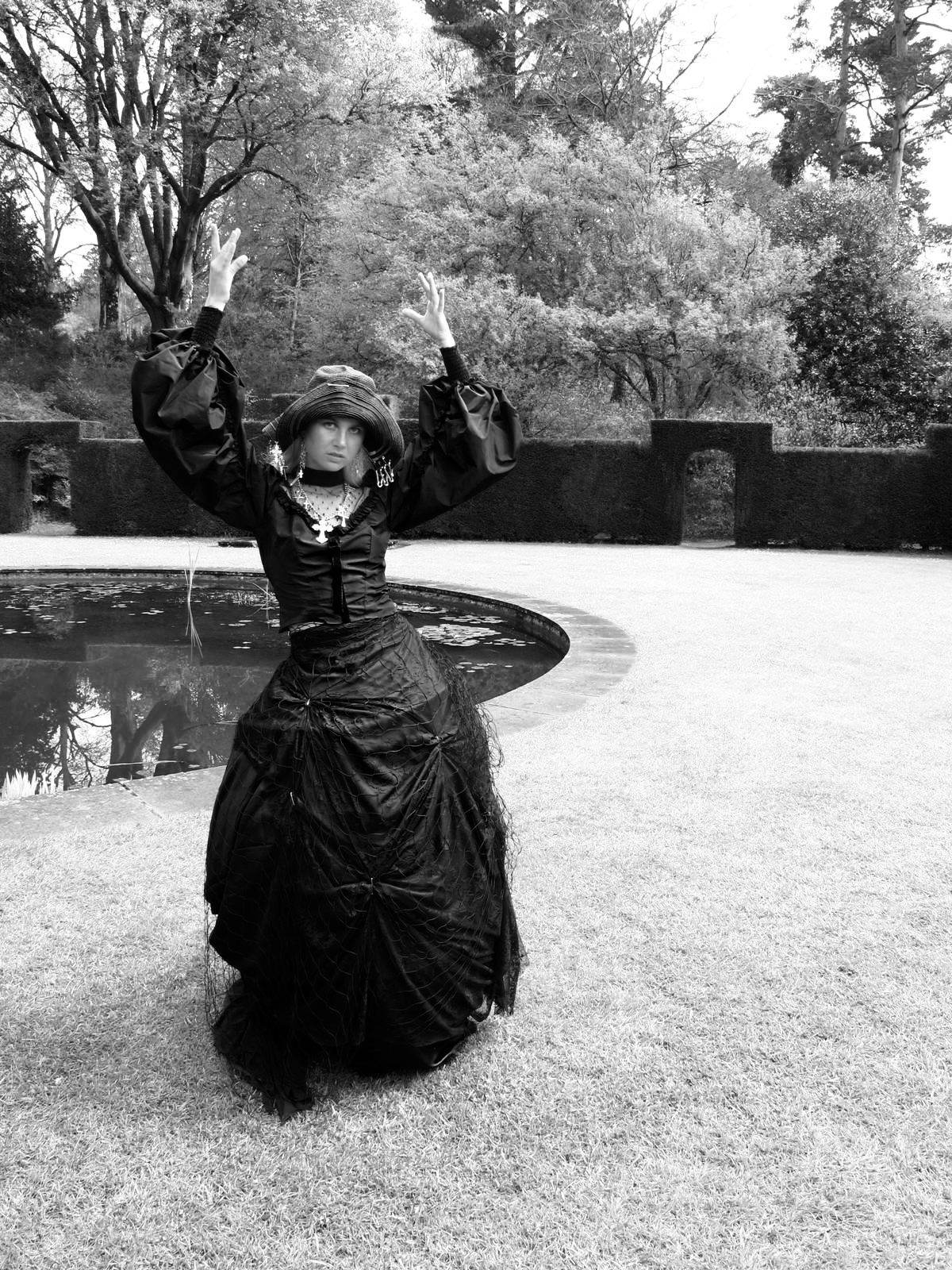
I had planned to shoot 3 looks and choose my favourite one for the poster, but, with the first look I tried out, I felt it was the strongest and I wouldn’t need to try the others. I felt this look strike a balance between delicate and powerful. The look was based on a gorgeous nude set I sourced from Depop, paired with layered pearl necklaces and a rosary, white tights, cream Tabi’s and black vinyl gloves. The look without the gloves felt very ethereal, I loved it but, in my past shoots, I have liked to incorporate dramatic elements to project a look and make it stand out. Feeling that it was missing something, I added the gloves and then it all came together nicely.

My favourite 5 images

For my next steps, I will need to choose the favourite look that I feel will best capture ‘Sophia Lund.’ Making sure it showcases my styling to the best abilities and would go with myself as a brand. I feel as though the ones where Martha is facing forwards are slightly stronger as there is more of a shape to them. The hand placement as well as important as they need to look purposefully placed. My favourites out of the 5 are probably 2 or 4.

The final image

I chose this image as I felt it encapsulated the diaphanous look in the best way. The pose feels purposeful, yet it has a perception of fragility to it. Her introspective glance has a delicate perception, which contrasts against the acridity of the vinyl gloves.

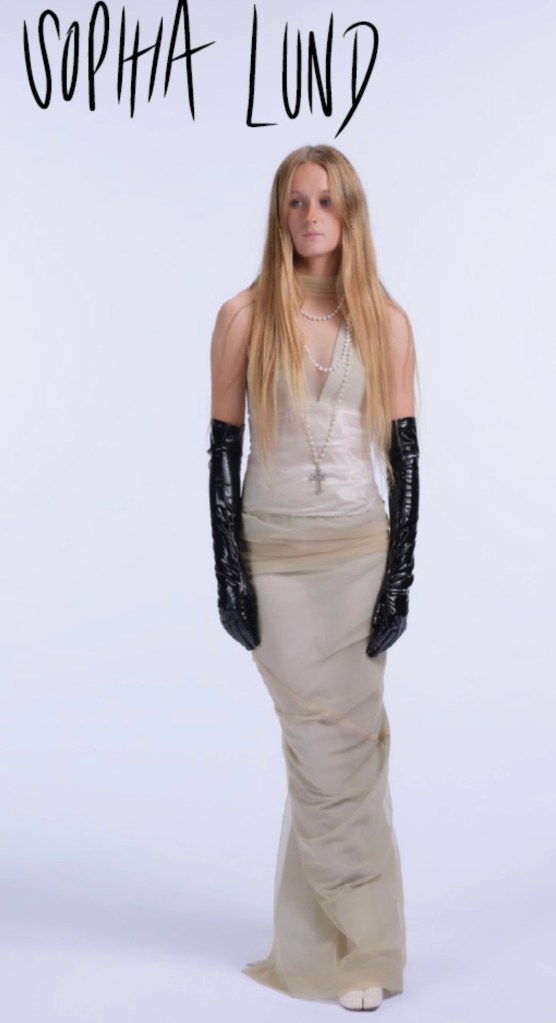
Potential poster 1

My first idea was to include the writing at the top… I feel it will look better along the left side as there is more space.

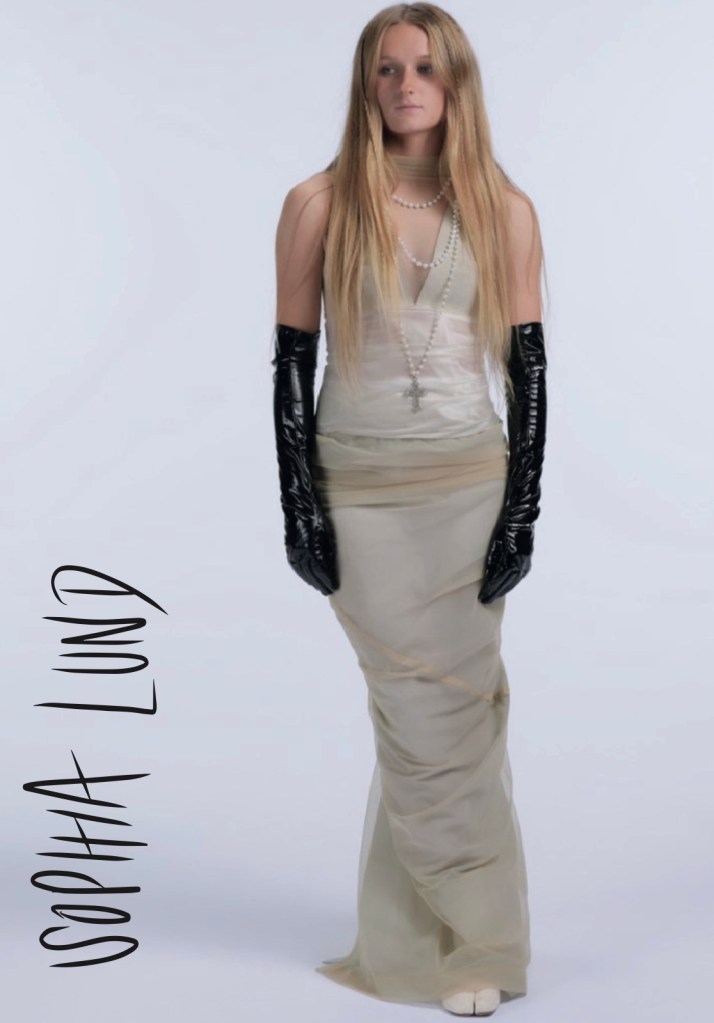
Final Poster

With the writing along the left side, I felt it worked better as there is more space for the logo. I am really happy with how it turned out in the end… it feels like everything I had visualised has come to life!

In conclusion, I have thoroughly enjoyed this project. I feel I have been given total creative freedom to experiment, come up with ideas and execute them in the best way. Exploring my personal beliefs at the beginning was vital in helping me discover what I stand for and how I want both myself and my work to be perceived. This then lead me onto finding different artists and designers that I felt inspired me, looking at a wide range helped me narrow my vision and develop ideas early on. Typography I found to be fascinating, something I had never looked at properly before, some of the artists I found in various books had taken the wackiest of references and turned that into unique fonts. Looking into brand DNA you could see how each magazine, house and brand had taken different fonts and made them iconic. From all my initial research I then started to develop different ideas, coming up with 4 and selecting my strongest one. Styling has been a passion of mine for so long now I knew it had to be at the core of my brand, that is inevitably why I chose to study Fashion Communication. it seemed only right. Booking out the studio after creating my mood board, Martha made the perfect model, the first look I felt was instantly captivating and would stand out alone on my poster. therefore I did not feel the need to shoot another look, but to go with my gut and choose the first one. The final stages it was about making sure the image was in a high enough resolution, checking where the new logo should go and making sure the poster looked powerful ready to submit. This project has benefitted me immensely, it has helped me above all develop the graphic design skills that I did not have before, enabling me to push myself out of my comfort zone and have fun!
Visual Narrative

3D Data Visualisation

On Tuesday 5th October we were set the task of bringing some of our 2D ideas from the previous Visual Narratives to life. Creating a 3D version of a previous idea, or even something new… I decided to start looking at some designers for inspiration that had used clothing to convey data.

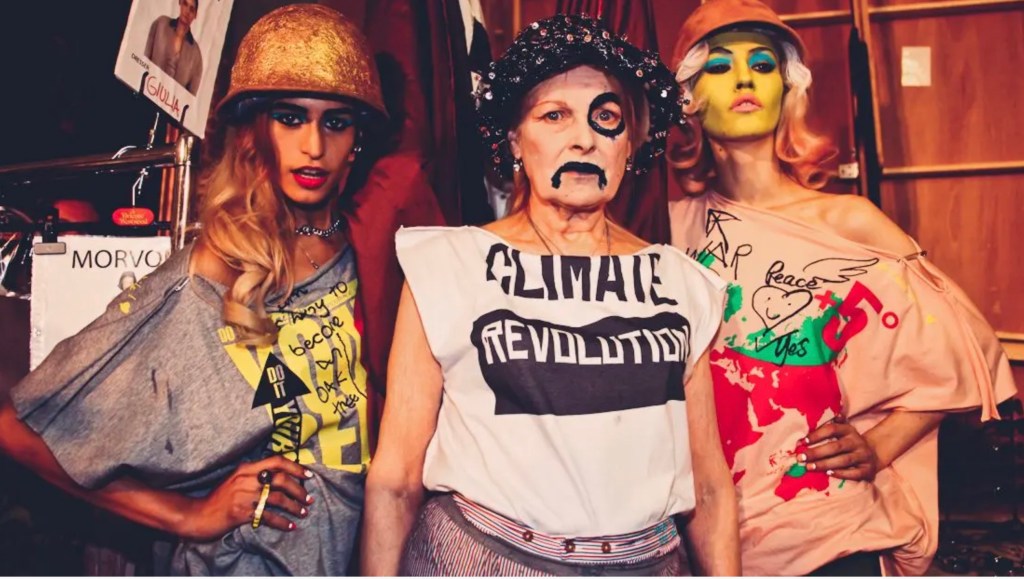
Vivienne Westwood

Vivienne Westwood comes to mind immediately when considering which designers have used their platforms to fight for change. Vivienne is renowned for being an environmental activist and active campaigner. Using the fashion world as her platform to get across her ideas and help make a positive change fighting for her beliefs.

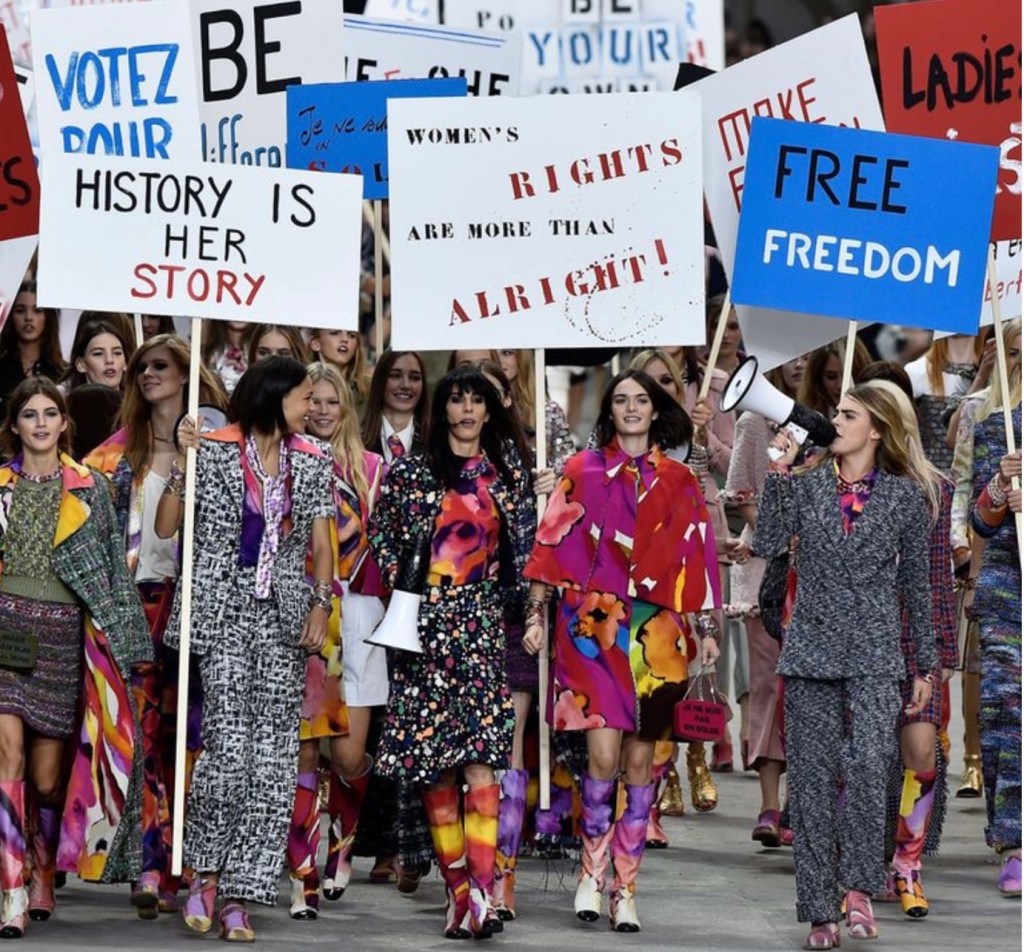
Chanel Spring 2015

For Chanels’ Spring 2015 Karl Lagerfeld staged a feminist protest at the Grand Palais. The models stormed the runway waving signs declaring phrases such as “ Make fashion not war” and “ Ladies First.” Karl had nailed feminism on the head creating a strong defiant atmosphere.

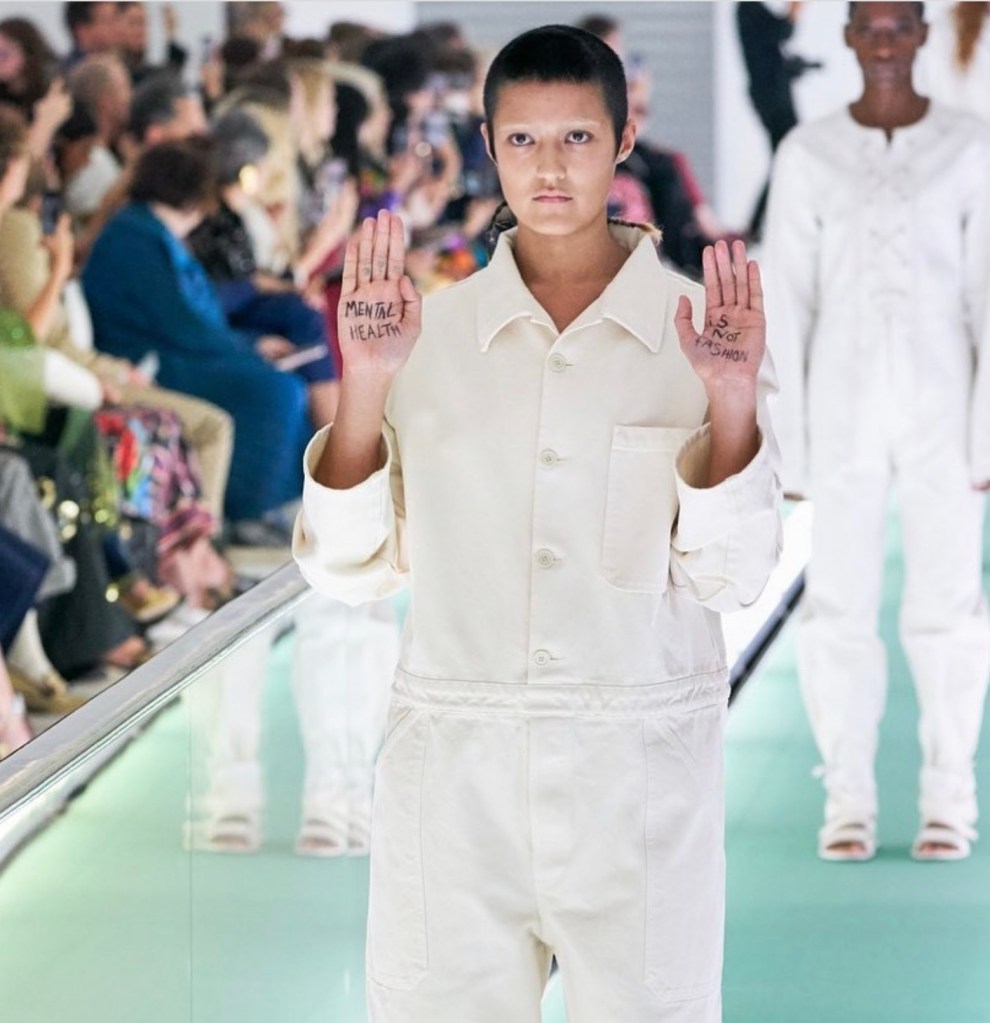
Gucci Spring 2020

For Spring 2020 Gucci felt it was appropriate to feature a number of models in white jumpsuits, resembling straitjackets. Gucci said the desgins were meant to show “ How through fashion, power is exercised over life, to eliminate self- expression.” Ayesha Tan-Jones felt outraged by the outfit they had to wear… protesting silently using their hands to get across the message. Gucci didnt enf up selling the pieces, they were intended apparently for show purposes only. Many models agreed with Ayesha and in the end donated a portion from their earnings to mental health charities.

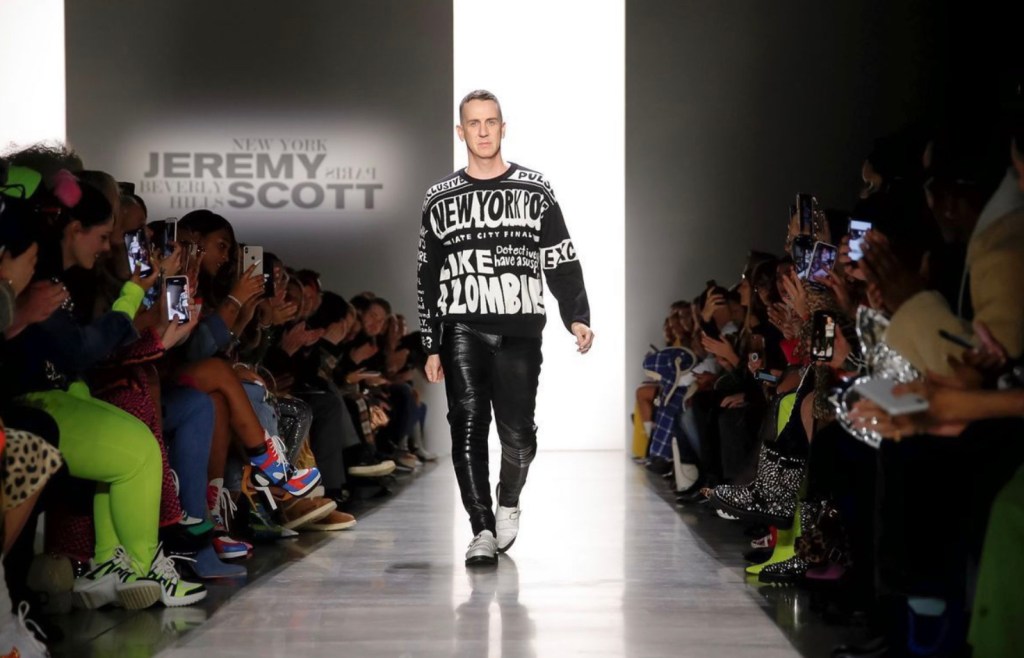
Jeremy Scott FW19

Jeremy Scott is no stranger to producing loud, OTT, in your face garments both through his own label and Moschino. For his FW19 collection he suprised us all with a restrained monochrome collection that had a very clear message behind it. Jeremy had collaborates with artist Aleksandra Mir and produced a collection as a secret protest against Donald Trump and his fake news. Clixkbait – a print similar to that of a negative of a newspaper featured pieces engulfed in words such as “Scandal” “Psycho” and “Chaos”. Jeremy showed that he understoof clothes arent just clothes, they are a form of expression.

Initial idea 1

For my first idea, I was thinking along the lines of different sized cakes with different colour icing to differentiate the results. This idea seemed fun but not all that achievable baking 6 cakes!!!

Initial idea 2

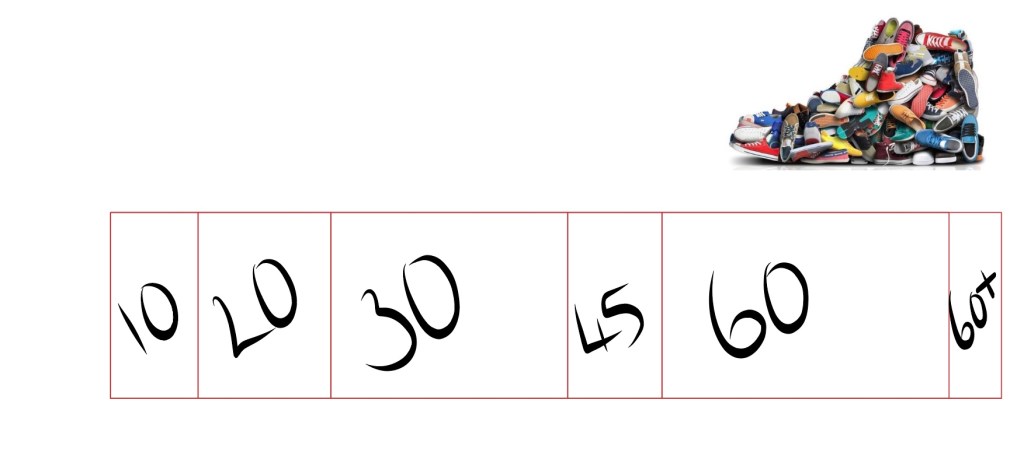
Another idea I had was to create a grid along the floor, with the number of people represented by shoes…. again might not work great as I would need hundreds of shoes!

Initial idea 3

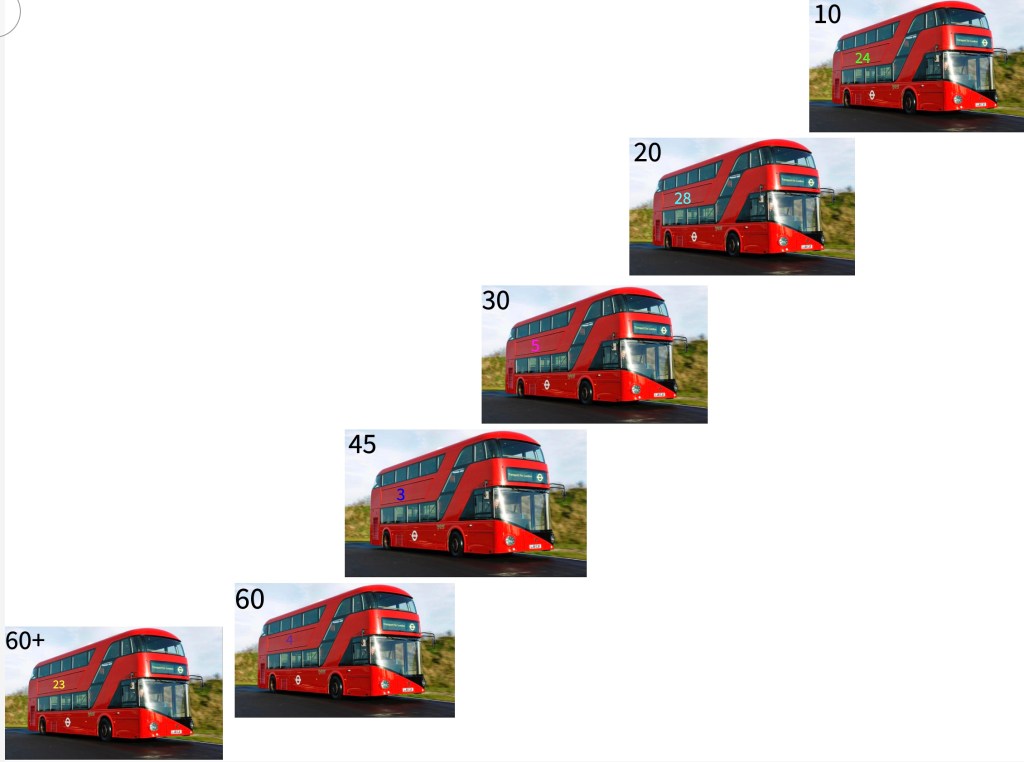
Thirdly i thought i could take photos of busses around london and perhaps edit their colours and have them on a map? This could be achievable and would fit in well with the London theme.

Initial idea 4

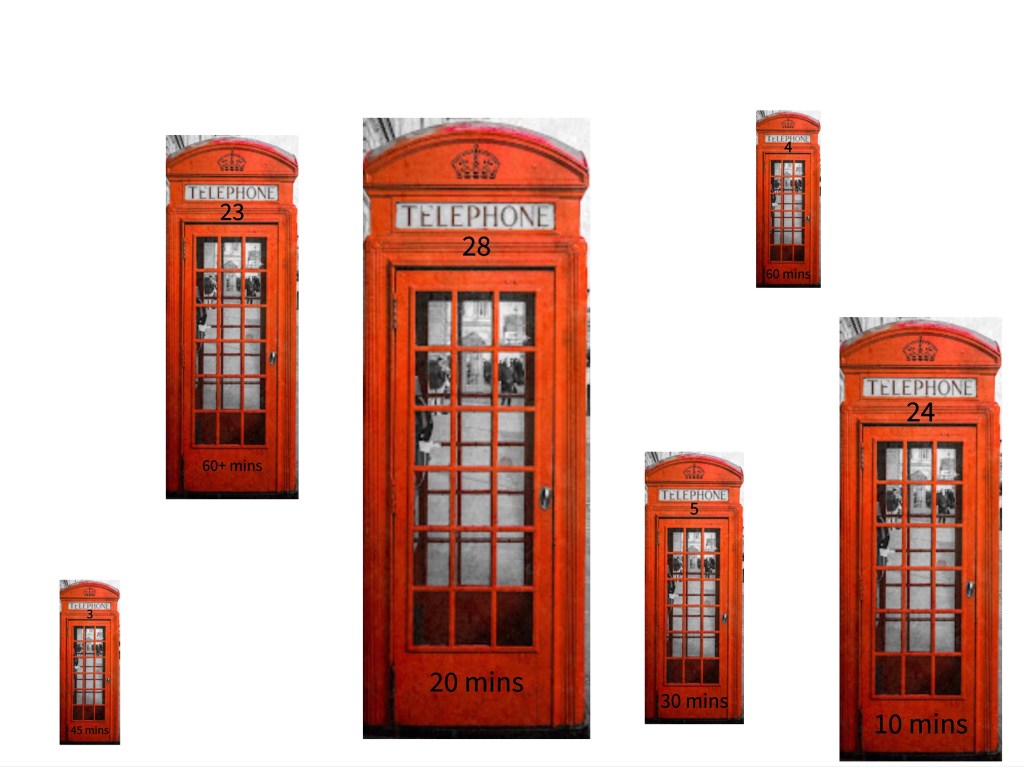
My final initial idea was to take photos of phone boxes, different locations and sizes… maybe changing their colours too? I liked this idea the most but it didn’t feel all that fashion orientated which is something I want to make visible.

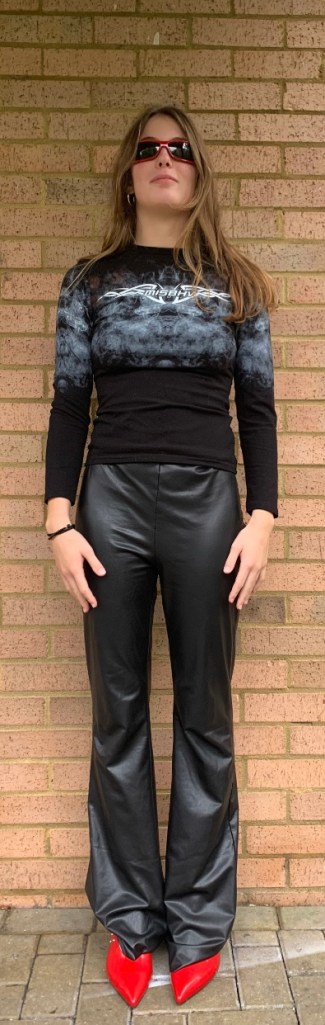
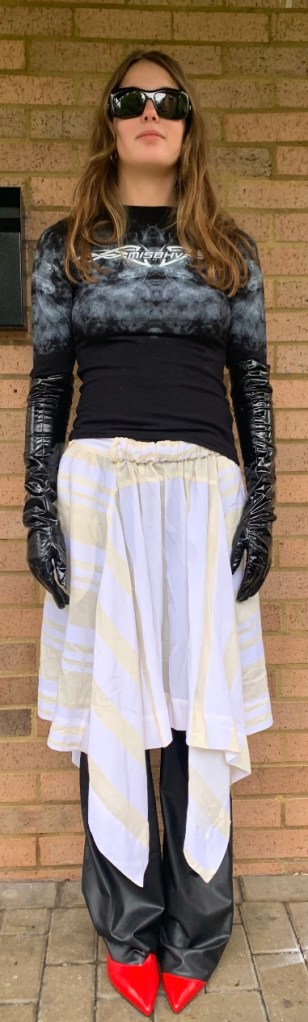
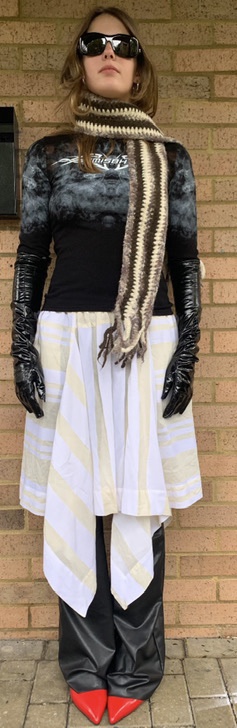
After my intial research of designers and ideas, it has helped me work out what i want to achieve with my 3D idea and how i plan to move forward. My initial 4 ideas i liked but didnt feel they were strong enough or give off a very fashion-feel to them, which was important to me. My plan is to use a model and dress them with the amount of layers per time it takes… 10 minutes = 1 layer etc. This way I can focus and hone in on my styling and playing around with layering to hopefully achieve a strong outcome. I can then duplicate the photo to represent the number of people or just write it on the final images.

rough plan… 1 top, trousers & red heels. 2 add skirt, gloves & shades. switch to trainers. 3 add jumper, top and jewellery. 4 add top layer and scarf as belt? 5 add coat, jewellery & more shades? 6 add scarf, hat and another top layer.

Look 1 – 10 Minutes

Look 2 – 20 Minutes

Look 3 – 30 Minutes

Look 4 – 45 Minutes

Look 5 – 60 Minutes

Look 6 – 60+ Minutes

Final 3D Image Submission

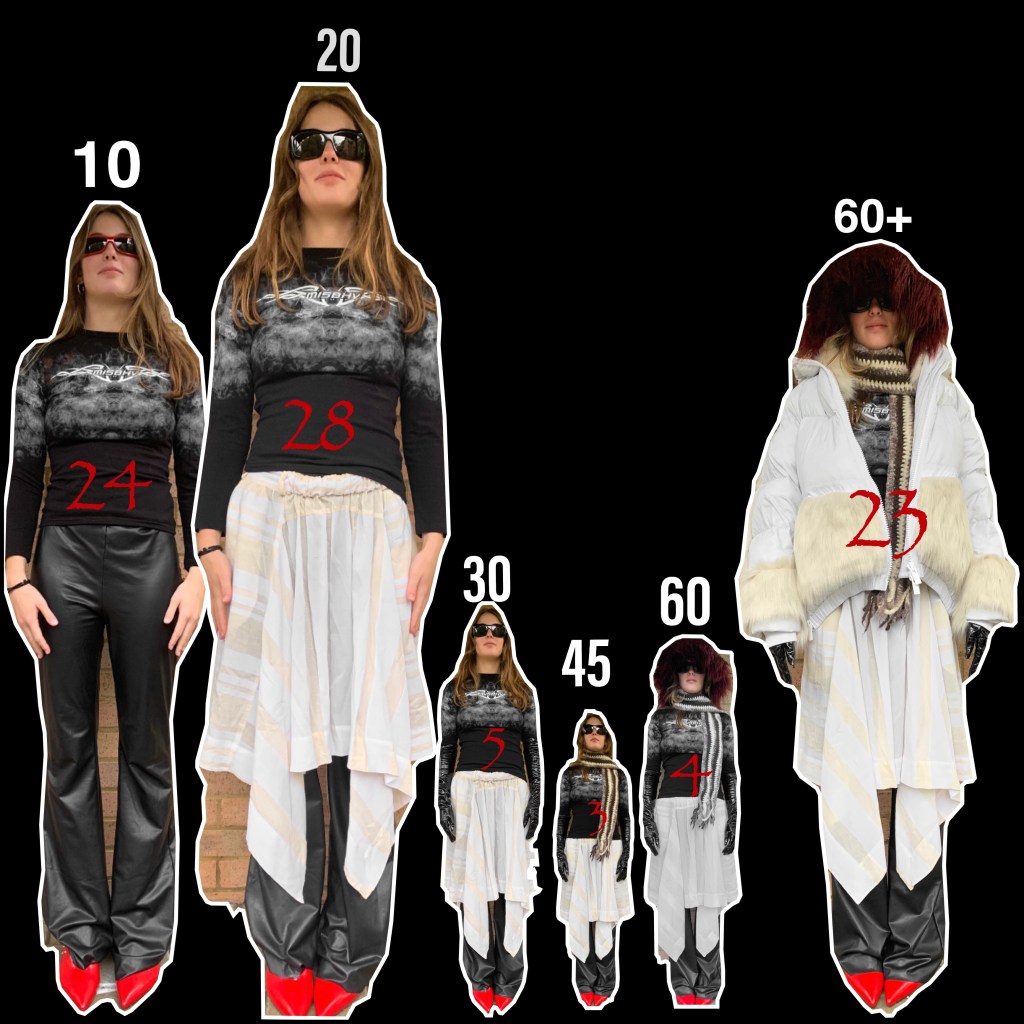
In the end, I decided to create cutouts of each look I had shot. I then placed them all together in different sizes to represent the number of people each look stood for. I added the minutes on top and the number of people in the middle of each look. This way I felt I had completed the 3D task to my best abilities but also related it to fashion and ultimately styling which I am most interested in.

Brand Research

Jerry Lorenzo

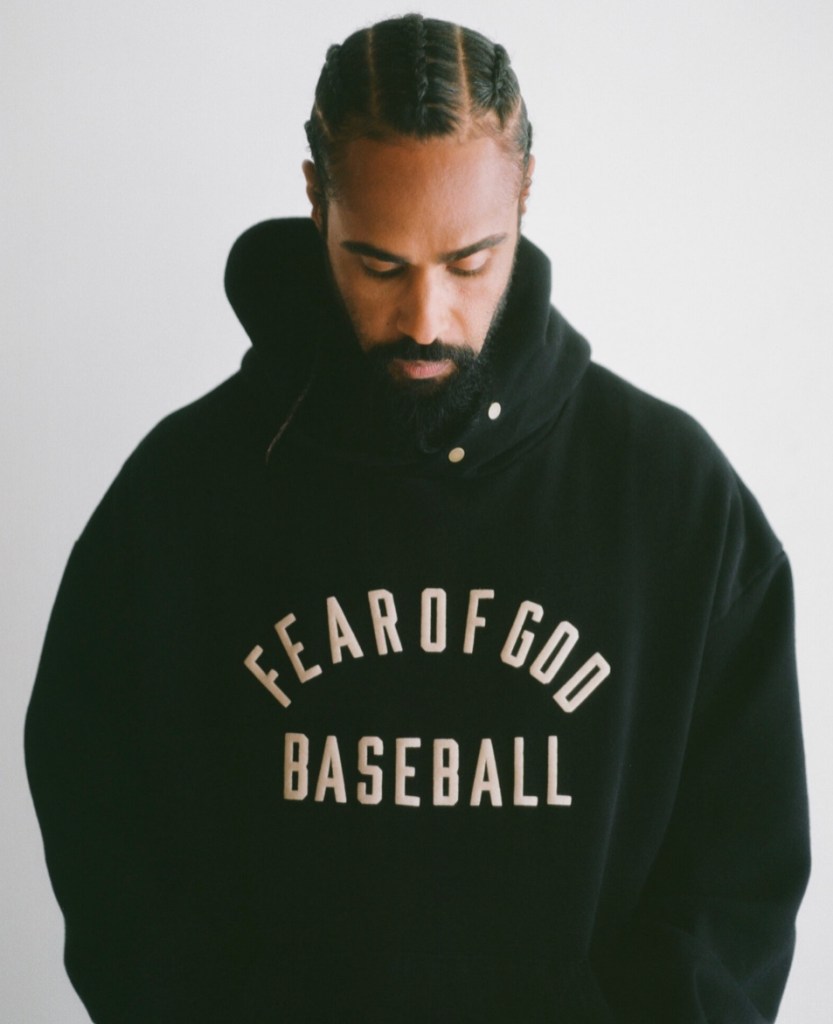
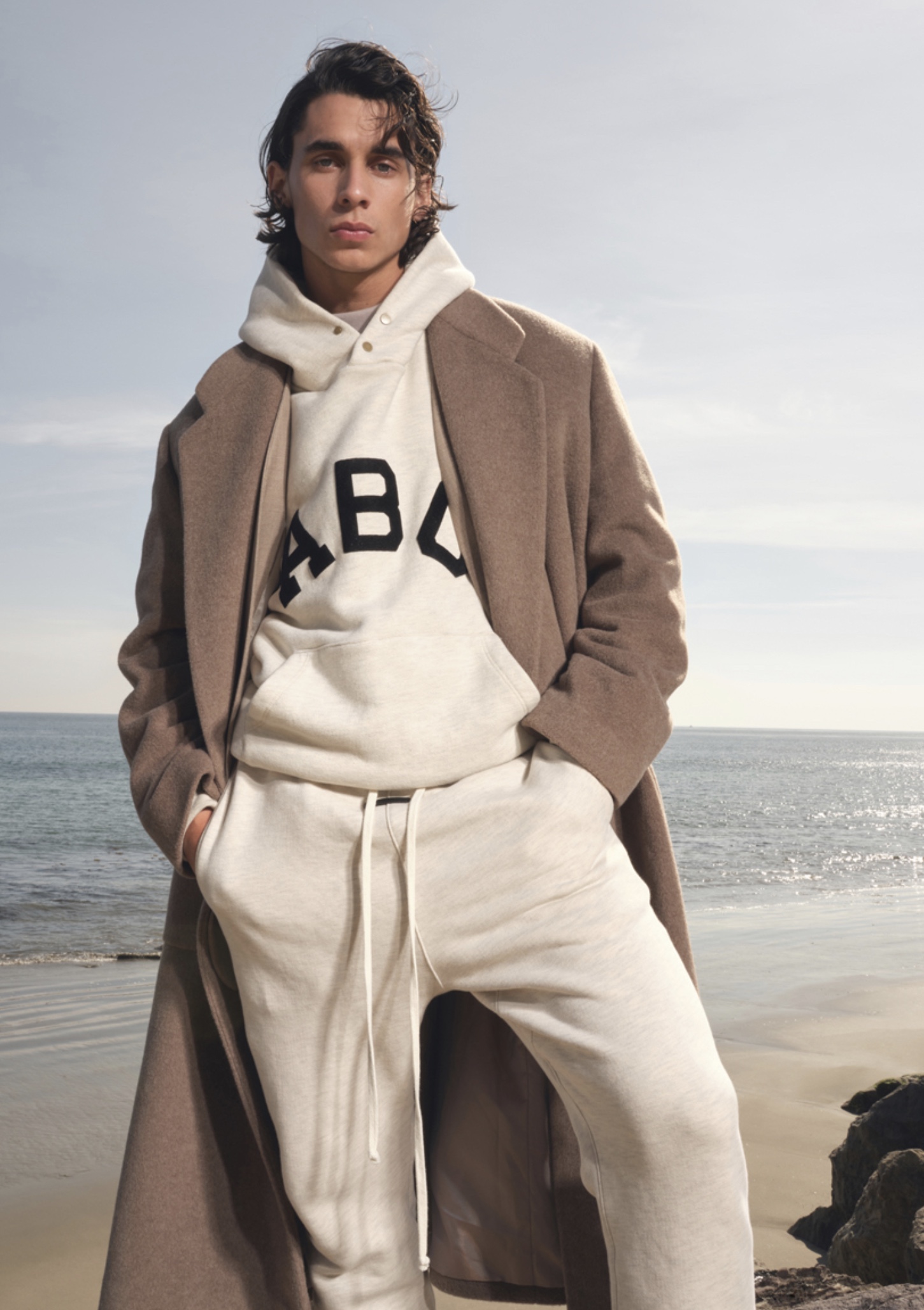
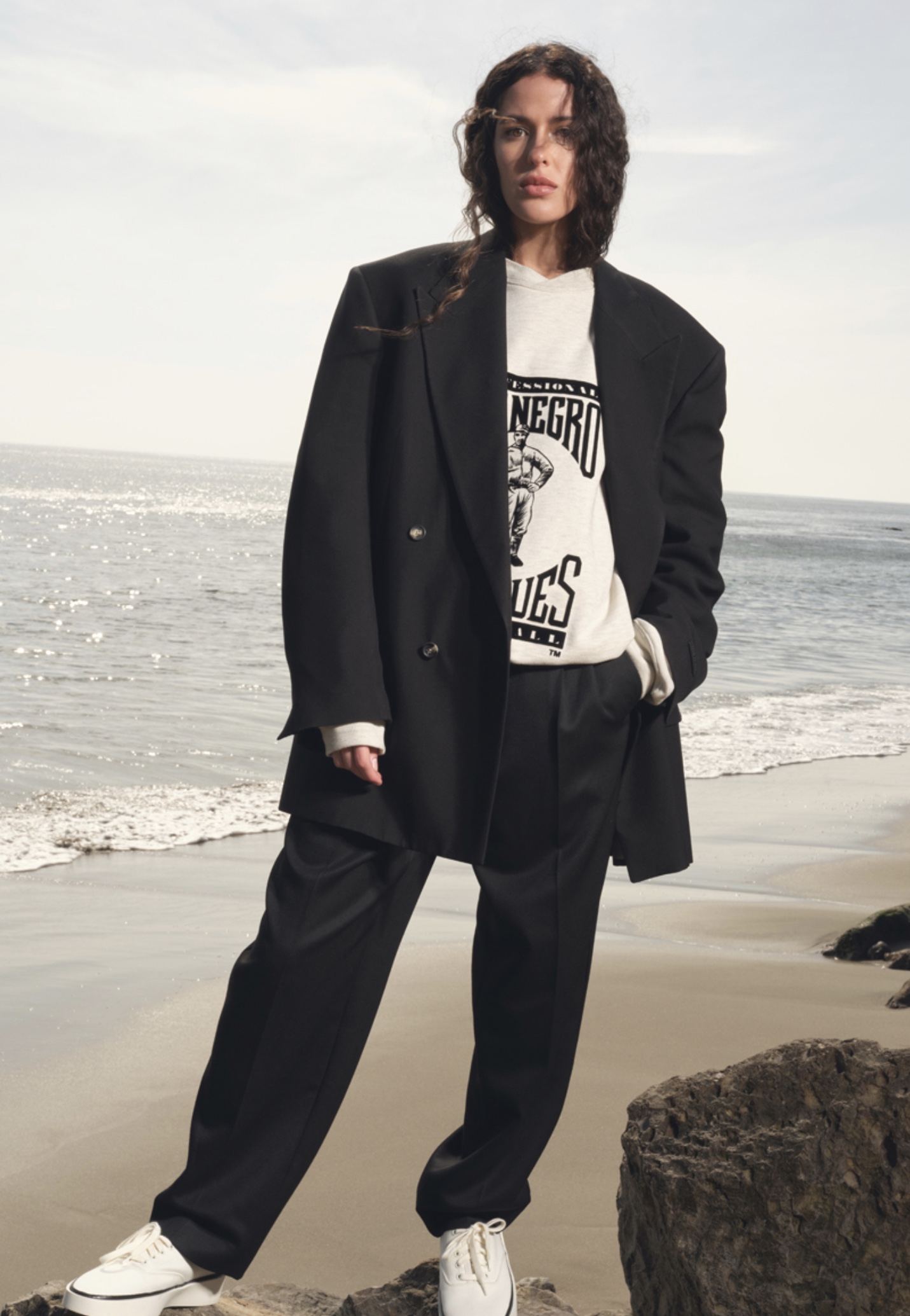
Fear of God is a luxury streetwear brand founded by Jerry Lorenzo in 2013. Fear of God means “ high expectations and abiding self-confidence.” Fear of God started when Jerry realised there was a major gap between luxury and streetwear, he scraped some money together and started designing t-shirts out of his garage. Virgil Abloh came to see his designs… next thing he knew Kanye West called him up. Many may have heard of Essentials. Essentials are the diffusion line Jerry created as a more simplified and accessible version of its mainline, seen on many influencers. He has been named a pioneer in luxury American fashion and streetwear from his simple yet purposeful designs.

Codes

  • Comfort
  • Sophistication
  • Timeless
  • Wearable Garments
  • Craftsmanship

Brand Messages

  • This is American Fashion. The next big brand after the likes of Hilfiger and Lauren.
  • Fusion of Streetwear and high fashion- unmatched. No one has ever made clothes on this level before or to this targeted audience.
  • Exclusivity- FOG doesn’t listen to the fashion calendar, dropping once a year normally with very limited numbers… everything sells out within minutes.

Visual Narrative

The Creative Challenge

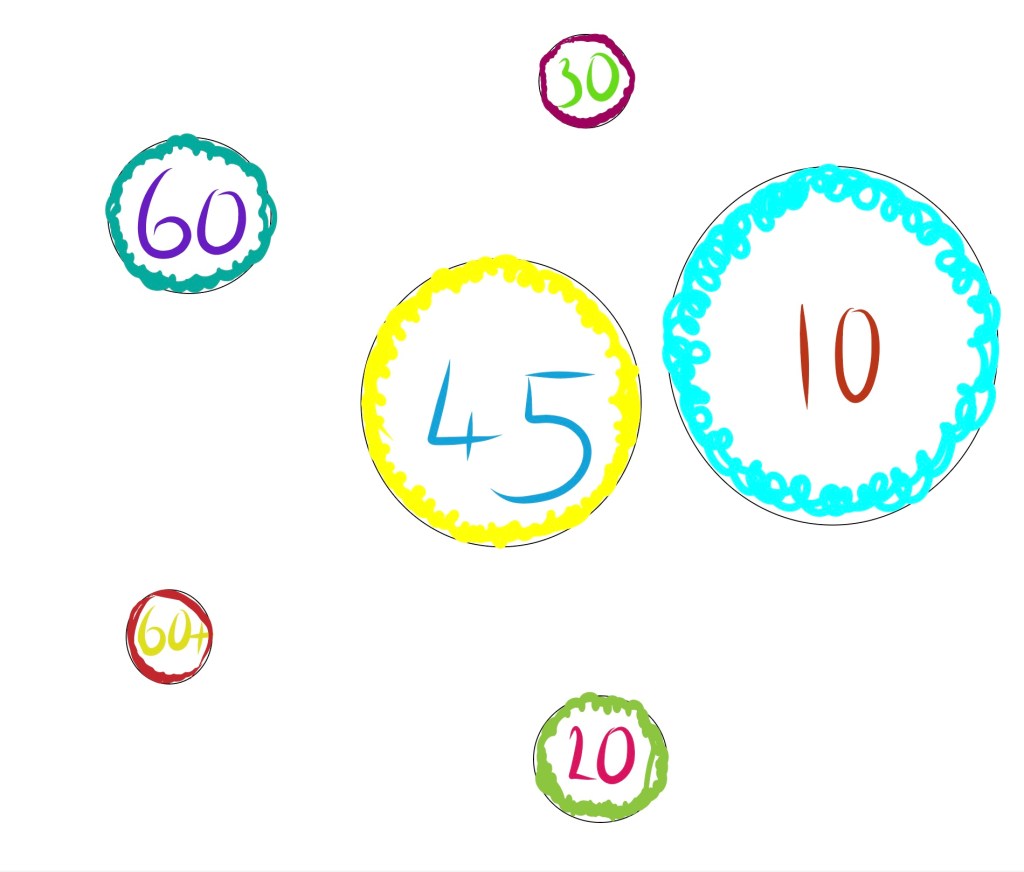
On Tuesday we were set a task of working out how long it took everyone to get to campus. We were told to create an infographic to convey the information collected for the journey times.

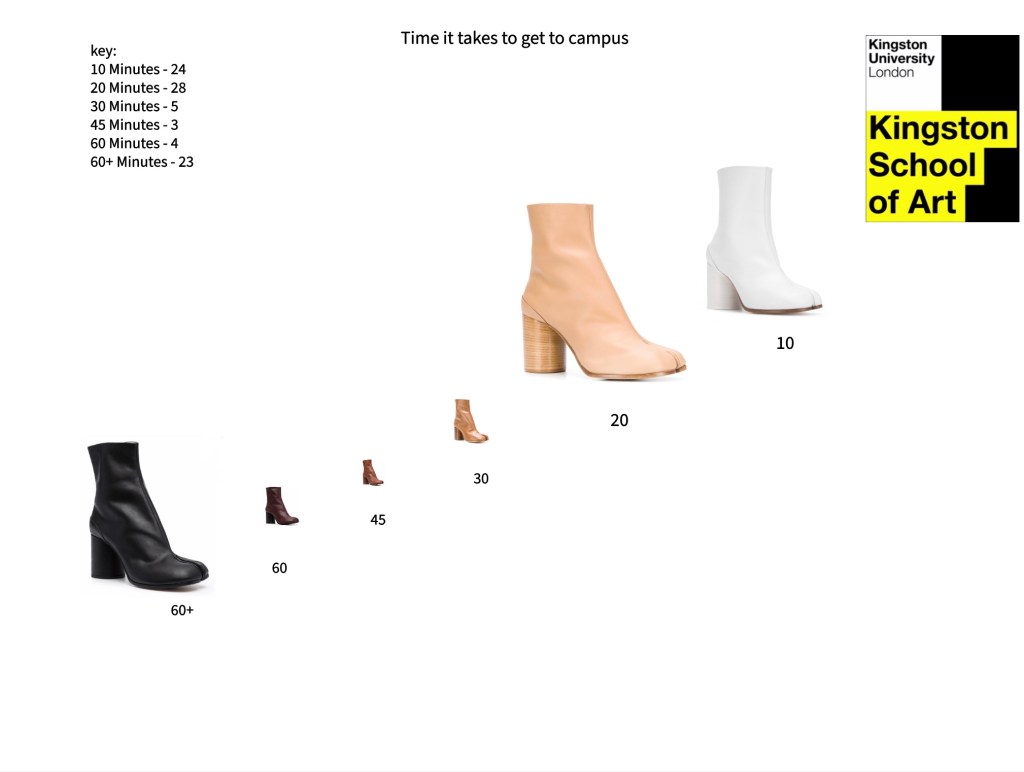
  • 10 Minutes – 24
  • 20 Minutes – 28
  • 30 Minutes – 5
  • 45 Minutes – 3
  • 60 Minutes – 4
  • 60+ Minutes – 23

After collecting the information, we had to create 5 visual representations of the data in 2D.

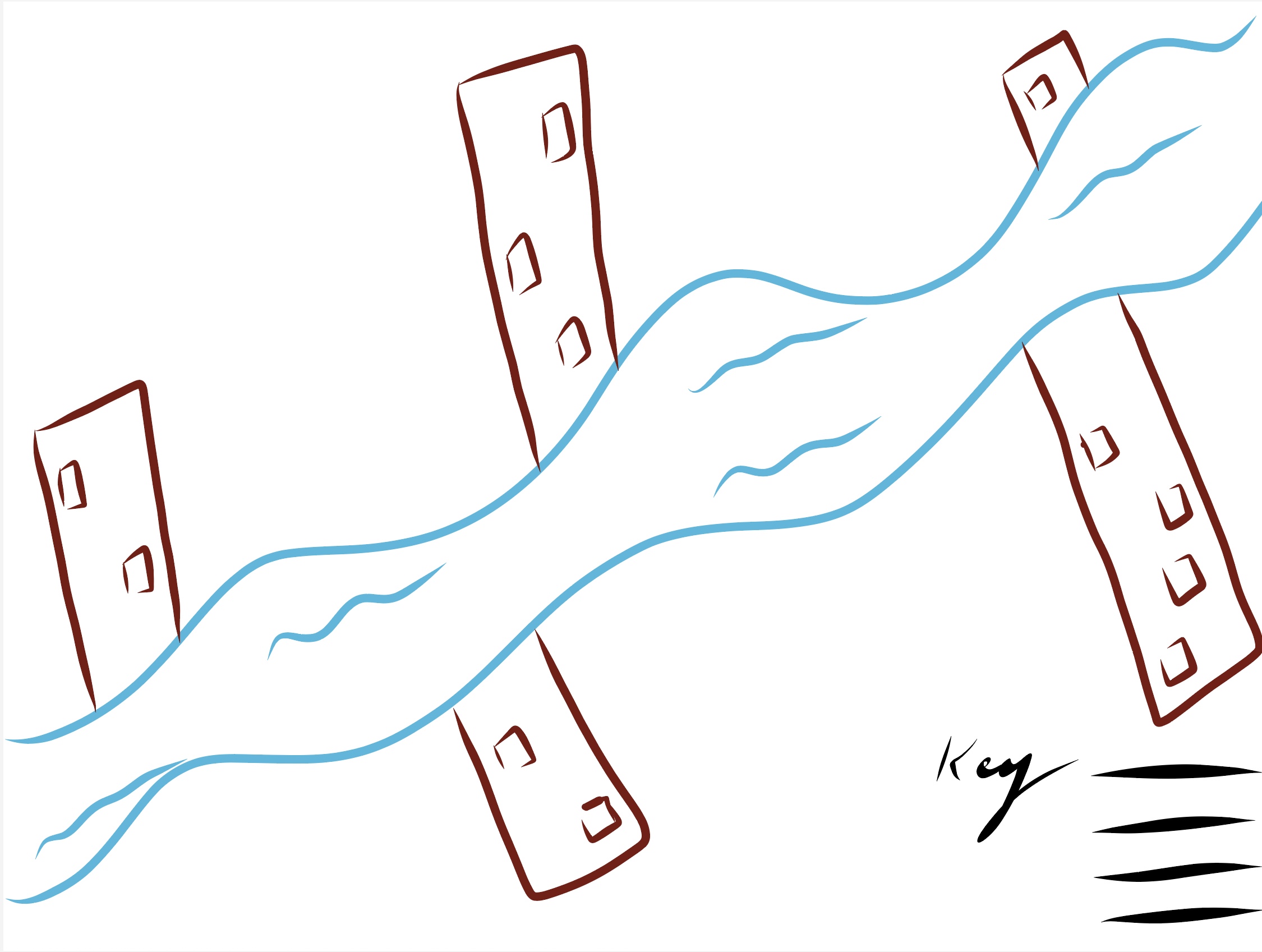
Idea 1 was to have the Hogsmill river with buildings on either side of it leading to the Knights Park building. Different sized houses indicated the different amount of people… and their positioning showed how far they travelled daily.

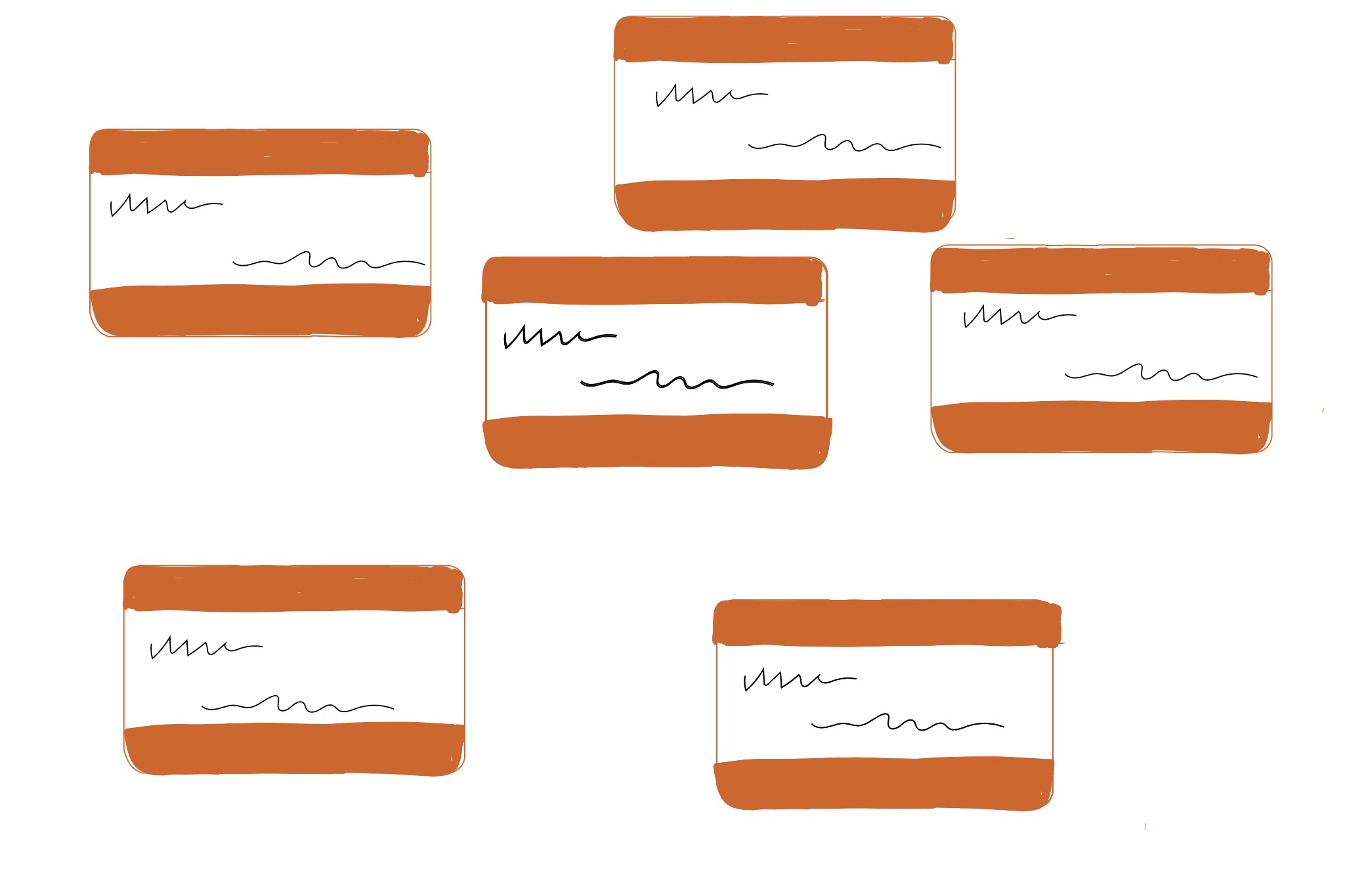
Idea 2 was to have different train tickets with the information of how many travelled how far each day.

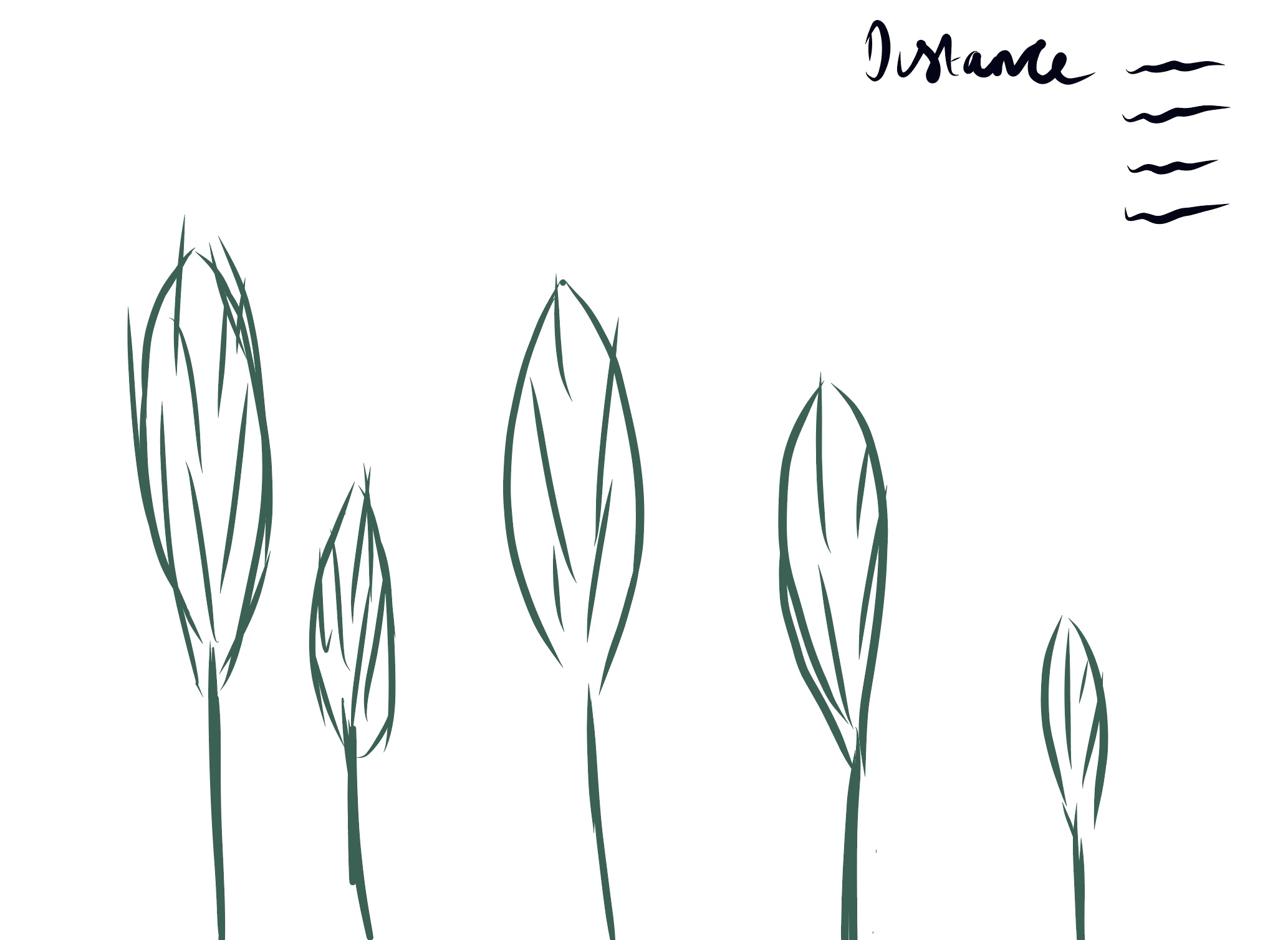
Idea 3 Since we are coming into Autumn was to have different types of leaves or trees with the details in the corner and their size and positioning indicating the results.

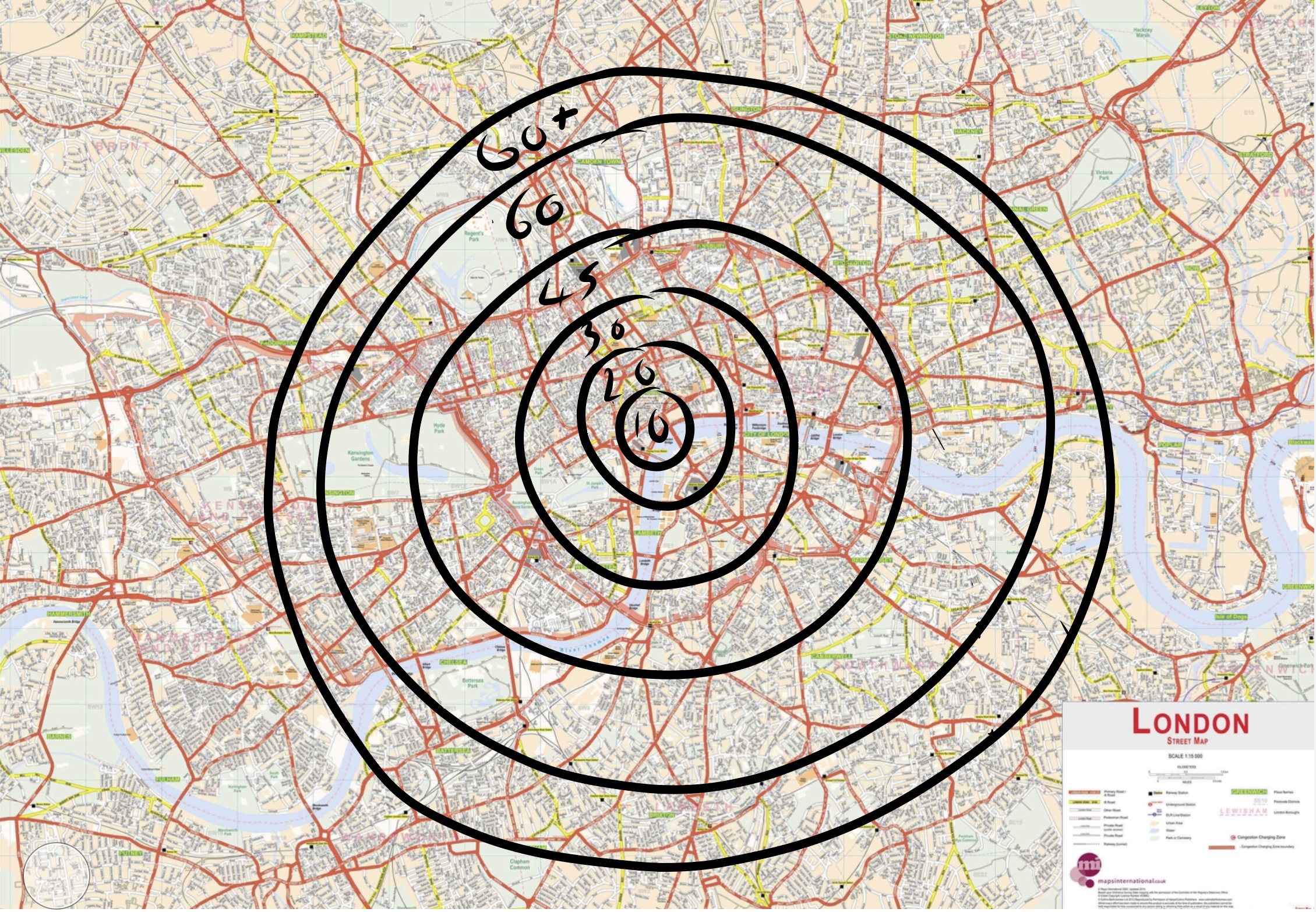
Idea 4 I based around a map of London, with different circles indicating the distance everyone had to travel. if I had chosen to develop this idea I would have made sure that the campus would have been highlighted on the inside of the circle.

My final developed design.

I wanted to incorporate shoes into my final design as that indicated walking and fashion in the best way. I chose to use different colour Margiela tabis – what better shoe! I put our campus logo on the top right hand side and chose some autumnal shades for the boots. I made them bigger or smaller depending on the number of people it was representing.

History and Context

Fashion Promotion and Communication.

What are my aspirations?

To learn about all aspects of the fashion industry, expanding on my previous experiences and knowledge. Learn about areas within the fashion and creative industry that I have no previous knowledge of. To take as many opportunities as I can and gain vital work experience. To learn from others and collaborate, honing my craft as an aspiring stylist.

Why am I here?

I have always adored fashion, realising early on that all I wanted to do was to work somewhere within the industry. This course and the areas it covers are perfect, I felt it was quite broad and allows you to work to your strengths in whatever way you wanted. Being in London is exciting with countless museums, galleries and exhibitions to help fuel my imagination.

What am I trying to achieve?

I am hoping to gain key insights into the industry so that I feel confident and knowledgeable. Becoming a stylist is my end goal… Aiming to feel ready to immerse myself within the industry when I graduate.

“ I am someone who…”

  • I am someone who is invested and committed.
  • I am someone who is passionate about styling.
  • I am someone who wants to see change.
  • I am someone who is fascinated by all fashion aspects.
  • I am someone who will turn up.
  • I am someone already contributing to make fashion more sustainable and ethical.
  • I am someone who listens and values others opinions.
  • I am someone who wants to learn.
  • I am someone who loves to work, collaborate and share opinions with others.
  • I am someone who equally likes working alone.

3 things that make me happy…

  1. Clothes ( Depop)
  2. Researching, reading and learning about fashion and fashion history.
  3. Visiting galleries, museums and exhibitions.

3 things that make me angry…

  1. Fast fashion.
  2. Ethical and diversity issues within the industry.
  3. Social media influencers.

5 skills I’m comfortable with.

  • Styling
  • Writing
  • Knowledge of designers
  • Researching and developing ideas
  • Photoshoots

5 skills I want to develop.

  • Adobe suite
  • Photography ( actual camera skills)
  • Graphics design
  • Drawing
  • Public speaking

My core values.

  • Independence
  • Tolerance
  • Responsibility
  • Honesty
  • Originality
  • Knowledge
  • Vision
  • Trust
  • Working alone or in collaboration
  • Self-respect

Myself as a brand.

Styling is a vital aspect of the fashion industry. Having a visual eye and extensive knowledge about the fashion industry is essential. Throughout the course I aspire to adapt and develop my skills, learning from others too on how to build my vision.

Depop

I am really passionate about vintage clothing, I run a Depop shop specialising in second hand designer garments. I source, research, style, shoot and price all my garments myself. I became verified earlier this year, and was chosen as a top 10 seller for September. Depop has been a great platform helping me learn the value of clothes, different brands and most importantly the sustainable aspects to it. I no longer have the desire to buy new clothes, instead, I spend hours hunting down vintage pieces.

Sustainability Fast fashion has become increasingly topical this year within the mass market, as ethical practices and focus on social and environmental impacts have increased. We have seen the collapse of brands such as Topshop and several other familiar high street retailers, particularly those with a weak online presence. The economic impact will push the luxury brands such as Chanel and Bottega Veneta further out of reach for many people. As that gap widens I believe that the ‘middle market’ will expand. New niche designers with online followers; speed to market; frequent; exclusive premium offerings; and flexible low-cost bases will emerge and thrive such as Unknown London and Heaven Can Wait. Fragmentation of styles and simultaneous fashion changes that are not linked will also be a likely outcome – a trend that has been developing this century in any case.

Brand and style loyalty seems to be waning. Shopping from home has stressed the need to have clear, efficient websites – people won’t spend time thinking about how to work a clunky website, they’ll simply find another one. Behind it all there is still such a huge demand for fashion; people want to stay on-trend and update their wardrobes to match what is being shown. Fast fashion may be an outcome of this, but I hope that this refers to the speed of development; how quickly new styles and designers emerge rather than the current disposable interpretation of the term. Current fast fashion is not, I believe, the way forward if you learn about the horrors of how some cheap clothes are made. Currently, you can buy multiple items for very little – one could argue that this is democratising fashion, but is it? We risk exporting the true extent to textile and garment makers, often in developing countries. ‘The True Cost’ documentary opened my eyes further to this and shocked me when I realised what some people have to endure daily to support wealthy countries’ demand for cheap products.